We often forget that leaders are made of flesh and bone. We watch them stride across television screens, arms raised, voice carrying over roar-filled stadiums, and we mistake their posture for permanence. We imagine them immune to the creeping fatigue that hollows out ordinary afternoons. But biology has no respect for ballot counts or public adoration.
Consider what happens inside a human body when the stakes turn existential.
The clinical notes from prison cells and high-stakes courtrooms rarely capture the slow, relentless erosion happening underneath the skin. When public figures like Imran Khan face relentless political turbulence, legal battles, and the claustrophobia of confinement, their bodies do not simply endure. They keep score.
Stress is not an abstract concept floating in a wellness magazine. It is a physical chemical storm. Adrenaline floods the bloodstream. Cortisol levels spike, telling the heart to beat faster, the muscles to tense, and the blood vessels to constrict. In short bursts, this is survival machinery. In prolonged, relentless waves, it is a slow poison.
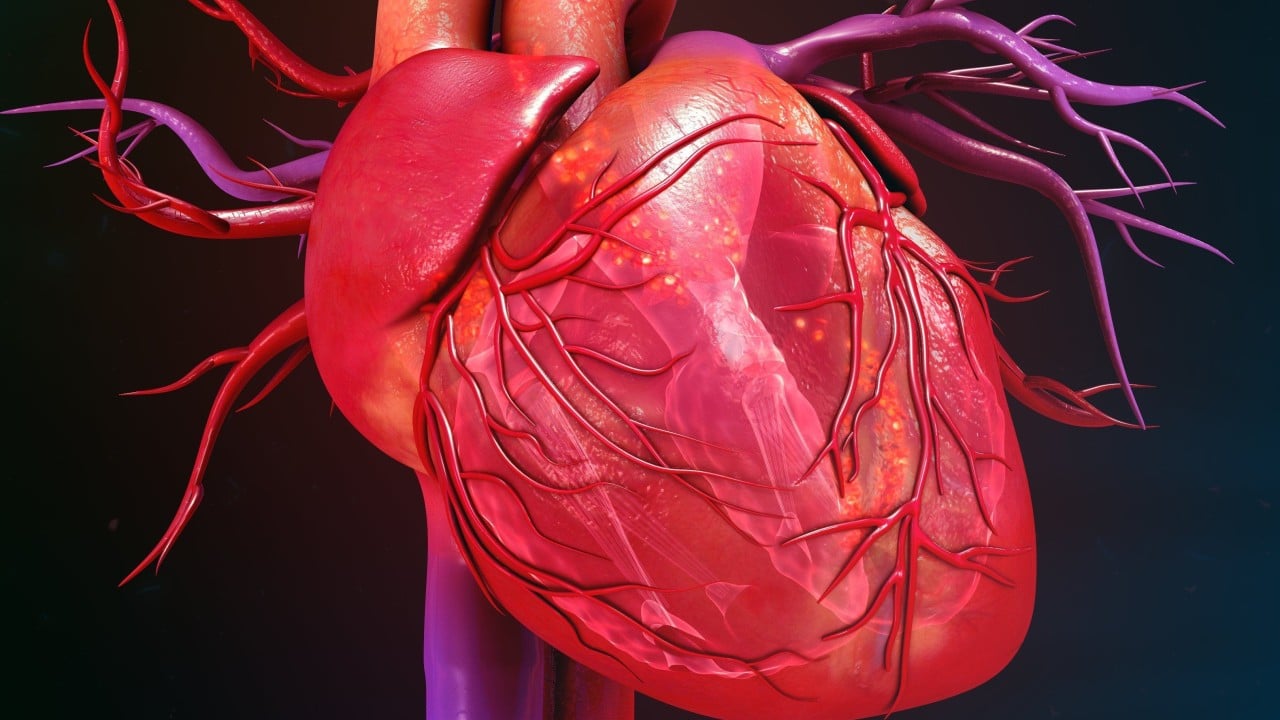
Blood pressure does not climb in a straight line; it surges in response to every whispered rumor, every denied appeal, every moment of uncertainty behind locked doors. Cardiologists often describe the heart as an engine that adapts until it breaks. When a person is cut off from natural light, fresh air, and control over their own daily rhythm, the cardiovascular system bears the brunt of that isolation.
Picture the quiet hours before dawn in a cell. The silence is not peaceful; it is heavy with anticipation. In those hours, blood pressure monitors in medical bays flicker with numbers that tell a story far more intimate than any political headline. High blood pressure, or hypertension, is known as the silent killer for a reason. It offers no dramatic warning fanfare. It simply strains the walls of the arteries, wearing them down millimeter by millimeter, pushing the heart toward a threshold it was never meant to sustain indefinitely.
We look at political crises through the lens of history, strategy, and power dynamics. We map out alliances and project election outcomes. Yet the true battleground is often microscopic. It is played out in the elasticity of a blood vessel, the rhythm of a heartbeat, and the quiet resilience of a mind refusing to break under pressure.
When medical updates filter out from behind restricted gates, they are often sanitized into medical bulletins. Vital signs stable. Blood pressure fluctuating. Doctors monitoring closely. These phrases sound clinical and detached, but they mask a raw human reality. They speak of a man whose physical vessel is straining against the weight of a nation's unresolved conflicts.
The body remembers what the mind tries to conquer. Long after the speeches fade and the courtrooms empty, the pulse keeps ticking, keeping time with a stress that has no clear horizon.
There is a profound vulnerability in watching a formidable figure grapple with physical decline. It strips away the myth of invincibility and leaves behind the raw truth of our shared fragility. Power can be seized, contested, or lost, but biology cannot be negotiated with. It demands its toll, exacted drop by drop, beat by beat, in the dark corners of endurance.