Ink dries quickly on porcelain. Under the harsh, humming fluorescent tubes of a commercial complex restroom, a marker stroke hardens in seconds. It does not look like a revolution. It looks like a mistake. A stray smudge. A brief, frantic assertion scratched out against the unrelenting gray of a tiled wall.
The security guard who found it hours later did not call history. He called the management office.
We forget how fragile public space has become. We walk through shopping malls, transit hubs, and office complexes under the quiet, watchful gaze of glass lenses mounted in corners, trusting that the smooth surfaces around us are entirely neutral. They are not. Every square foot of modern concrete is heavily scripted, governed by unwritten rules, monitored for deviation, and scrubbed clean of dissent before the morning commuters even step out of the elevators.
Then a student walks in.
Let us call him a student because that is what the records say. A young person, standing at the precipice of adulthood, holding a pen. What crosses a mind in that specific, narrow cubicle? Is it anger? Is it a sudden, suffocating urge to leave a fingerprint on a world that feels increasingly closed off? Or is it simply the desperate realization that shouting in the open air yields only echoes, leaving the bathroom wall as the last canvas for a voice that refuses to stay silent?
The words scrawled there were not poetry. They were political. Seditious, according to the machinery of the state. In the legal lexicon of modern Hong Kong, words carry immense, physical weight. They are treated not as transient expressions, but as heavy objects capable of tipping the scales of public order.
Consider what happens next.
The machinery stirs. Security footage is reviewed. Swipe cards, Octopus cards, and digital footprints are aligned. The police are notified. What begins as a petty act of vandalism—a matter for a bucket of soapy water and a sponge—is instantly elevated into a confrontation with the apparatus of public security. The student is detained. The courtroom doors swing open.
Suddenly, a life is suspended in amber.
I remember the suffocating anxiety of facing consequences that dwarf your intentions. The feeling of standing in a room where everyone speaks a language of procedural coldness, where your youth, your panic, and your midnight impulsivity are flattened into case files and section numbers. You are no longer a person who made a regrettable choice under pressure; you are a precedent. You are a warning to others.
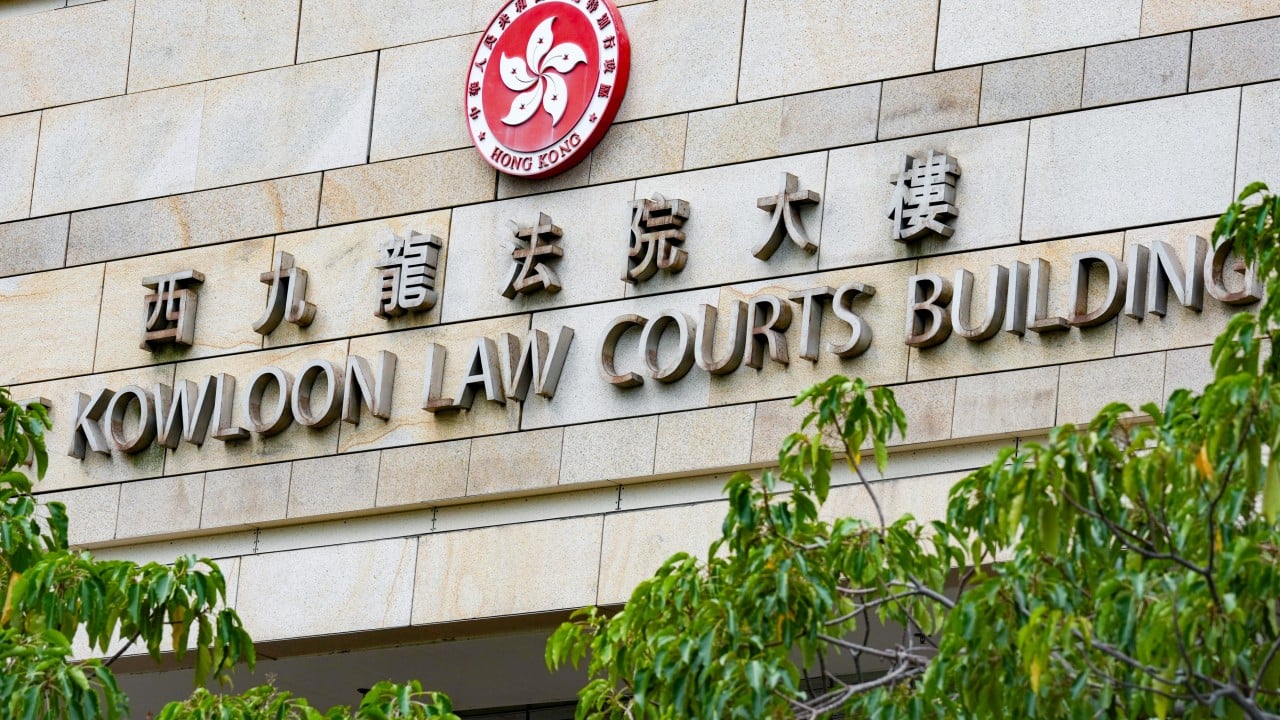
In the courtroom, the arguments turned on the nature of the graffiti itself. Was it an incitement to chaos, or the impulsive scribbling of a frustrated youth? The prosecution pointed to the statutes, emphasizing the necessity of absolute deterrence. The law in these moments is a blunt instrument, designed to carve out compliance and discourage imitation.
Yet, something unusual occurred beneath the heavy oak and artificial light.
Instead of an immediate plunge into a detention facility—the swift, mechanical drop of the iron gate—the judge paused. Probation was granted. A suspended sentence. A chance to step back from the edge of the precipice.
Why? Because even the most rigid legal frameworks occasionally recognize the profound tragedy of crushing a life over a few strokes of ink. A young person was handed a second chance, conditional on good behavior, wrapped in strict supervision, and shadowed by the permanent reminder that freedom in certain cities is kept on a very short leash.
We celebrate this as mercy. But mercy, in this context, has a hollow ring. It is the kind of mercy that leaves you breathing, yet terrified to move.
The toilet stall has since been repainted. The tiles are sterile, white, and completely blank once more. The security cameras continue their slow, mechanical pan across the corridors outside. Shoppers hurry past, carrying bags, looking at their phones, entirely unaware of the storm that briefly raged behind the closed door of the third stall.
That is the true legacy of the incident. Not the graffiti itself, which is gone, nor the legal battle, which has concluded. It is the lingering atmosphere of quiet apprehension. It is the knowledge that the walls are always watching, that the margin for error has vanished, and that a single marker can alter the trajectory of an entire life before the ink has even had time to fully fade.
A shadow falls across the polished floor. The cleaner walks by with a mop. Life resumes its normal, frantic pace, oblivious to the ghosts we leave behind in the quietest places.