The sea surrounding the kingdom is cold, gray, and unrelenting. For nearly six decades, one man has stood as the steady lighthouse on that turbulent shore. King Harald V of Norway is not merely a monarch; he is the lived memory of his nation. He is the man who sailed in the Olympic Games, who married a commoner against the rigid gravity of tradition, who wept with his people after national tragedies, and who laughed with a self-deprecating warmth that made an ancient institution feel wonderfully human.
Then, the quiet machinery of health faltered.
News arrived from abroad, slipping through the morning mist and scrolling across digital screens: the King, eighty-seven years old, had been hospitalized during a private holiday in Malaysia. A suspected infection. A temporary pacemaker implanted to steady a heart that had beaten through wars, political shifts, and personal griefs. Finally, a medical transport flight back to Oslo, guarded by sterile white walls and quiet vigilance.
We forget that monarchs possess flesh and bone. We wrap them in velvet and constitutional theory, imagining them as permanent fixtures of the landscape, like the fjords or the mountains. But beneath the ceremonial gold lies the fragile, stubborn biology of an eighty-seven-year-old man.
Consider what it means to age in the unforgiving glare of public observation. Every stumble is analyzed. Every canceled engagement is parsed for geopolitical meaning. When a king falls ill, a nation collectively holds its breath, not just out of loyalty to a crown, but out of a deeper, more instinctive fear: the fear of losing the anchor that keeps the past tethered to the present.
King Harald has spent his reign performing a delicate, exhausting balancing act. He represents continuity in a world addicted to reinvention. When he ascended the throne in 1991, following the death of his father, Olav V—affectionately known as the People's King—the burden of expectation was immense. Olav had been the symbol of resistance during the Nazi occupation, a king who rode the public tram during an oil crisis. How do you follow a legend?
You do it by becoming entirely yourself.
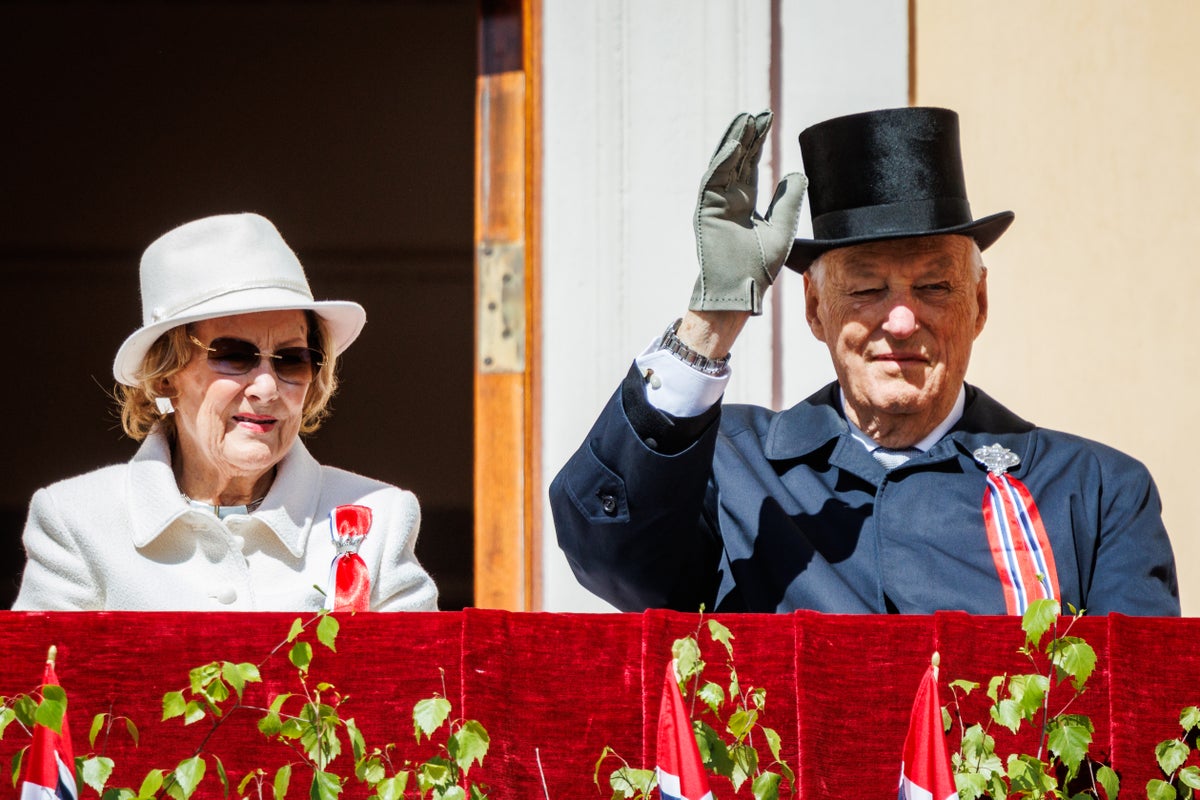
Harald chose humor, accessibility, and a profound, quiet resilience. He faced cancer surgery in 2005, heart valve replacements, bouts of dizziness, and respiratory infections. Yet, year after year, he returned to the balcony, leaning slightly on his cane, waving to the crowds gathered beneath the palace windows. He became the grandfather of the nation.
When an infection strikes an elderly body, the rules change. Medicine becomes a delicate negotiation between modern pharmacology and the sheer, accumulated mileage of a human life. A blood disease or a sudden cardiac irregularity in a man of his years is not an isolated event; it is a reminder of mortality knocking politely at the door, asking for an accounting of the decades.
In the hospital rooms of Langkawi and later at Rikshospitalet in Oslo, the grand titles dissolved. There was only a patient, doctors in surgical masks, and Queen Sonja sitting quietly by the bedside, her hand resting near his. This is the hidden architecture of history. While diplomats draft statements and journalists speculate on succession timelines, two people who have shared fifty-eight years of marriage navigate the terrifying intimacy of illness.
The bulletins issued by the Royal Court were measured, clinical, and precise. They spoke of stable conditions, of successful procedures, of cautious optimism. But language has a way of flattening reality. Behind every medical update lay the anxious reality of a family waiting for color to return to a cheek, for eyes to open and recognize the room, for the familiar, dry wit to surface through the haze of medication.
A monarchy is a living story. It draws its power not from armies or laws, but from narrative. We project our collective identity onto the lives of a single family so we do not have to bear the weight of our own history alone. When the central character falls ill, the plot stalls. The future presses in, demanding attention, whispering questions about transition, modernization, and the inevitable passage of time.
Crown Prince Haakon stepped into the breach, shouldering his father's constitutional duties with a quiet, practiced grace. He has been groomed for this role for a lifetime, watching his father master the subtle art of listening. Haakon knows that modern royalty cannot simply command; it must resonate. It must reflect the values of a changing, diverse Norway while honoring the ancient traditions that bind the society together.
Yet, stepping up does not soften the ache of watching a father fade.
We look at our elders and expect them to be infinite. We demand that history remain frozen in amber, refusing to acknowledge the gradual wearing down of bone and sinew. King Harald’s health struggles force a confrontation with that denial. They remind us that the greatest leaders are those who show us how to be vulnerable.
When he addressed the nation after various health scares, or spoke movingly about mental health, grief, and the importance of inclusion—famously declaring in a 2016 speech that Norwegians are "girls who love girls, boys who love boys, and boys and girls who love each other"—he was not speaking from a throne. He was speaking as a fellow traveler on the human path.
The hospital corridors are quiet now. The flight has landed. The monitors beep their steady, rhythmic pulse against the silence of the Nordic night.
Outside, the snow falls softly over the palace square, blanketing the city in a hush of white. Somewhere inside that grand, austere building, an old sailor rests. He has navigated rougher seas than this, steering through personal storms and public tempests with a steady hand on the tiller.
The crown rests on a bedside table, catching the dim amber glow of a reading lamp. It is heavy, cold, and entirely empty. The real power tonight belongs simply to the steady, fragile rhythm of a human heartbeat, fighting to greet the dawn.