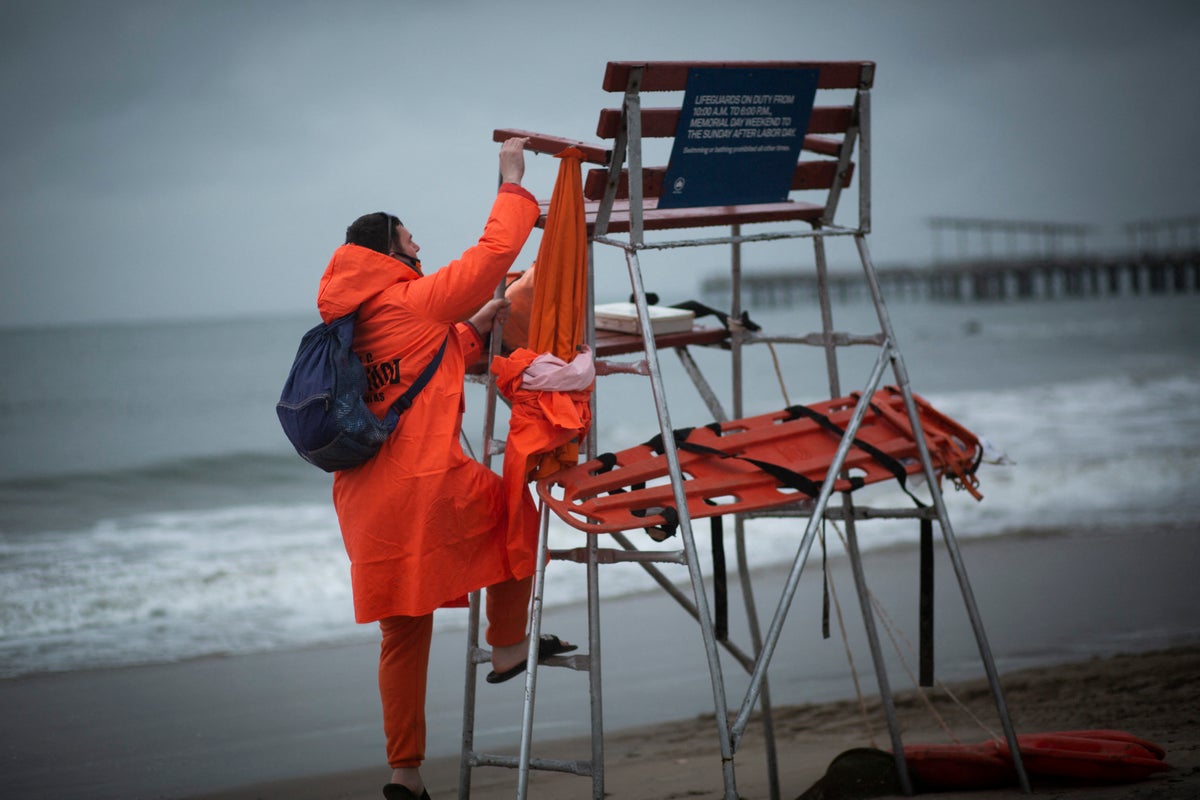
You step out of the office on Friday afternoon, ready to enjoy your hard-earned time off. The sun is shining. The air feels crisp. By Saturday morning, you wake up to the rhythmic thumping of heavy raindrops against your window. It feels like a sick joke. You swear it happens every single time you have a free Saturday.
It turns out you aren't crazy. Weekend rain is a documented meteorological reality in many major metropolitan areas, and it is largely our own fault.
We aren't talking about a cosmic conspiracy or mere bad luck. The tendency for skies to open up right when the weekend starts is heavily tied to human activity, industrial cycles, and the ways our cities breathe. If you feel like your outdoor plans get ruined on a weekly basis, the science actually backs you up.
The Weekly Pollution Cycle Drives Weekend Rain
The primary culprit behind this annoying weather pattern is the standard five-day workweek. From Monday through Friday, millions of cars idle in traffic jams. Factories pump out emissions. Central heating and cooling systems run at maximum capacity in massive office buildings.
This sustained human activity creates a massive accumulation of airborne particulate matter, commonly known as aerosols, by the time Friday rolls around.
Particulate matter includes soot, sulfates, nitrates, and dust. These tiny particles drift up into the atmosphere and act as cloud condensation nuclei. Water vapor requires a solid surface to cling to before it can condense into liquid water. The more pollution particles floating in the air, the easier it is for clouds to form and grow heavy.
By the time the workweek wraps up, the atmosphere above major urban centers is saturated with these particles. Dr. Randall Cerveny and Dr. Robert Balling Jr. conducted a landmark study at Arizona State University that analyzed decades of weather data. Their research, published in the journal Nature, revealed a clear weekly cycle in Atlantic coast weather. They found that because pollution builds up over the workweek, weekends see significantly higher rainfall amounts and more intense storms compared to the beginning of the week.
The heat generated by cities also plays a role. Asphalt, concrete, and steel absorb massive amounts of solar radiation during the day. This phenomenon, known as the urban heat island effect, causes warm air to rapidly rise over cities. As this heated air ascends, it carries the accumulated weekday pollution high into the atmosphere. The air cools at higher altitudes, causing the moisture clinging to the pollution particles to condense rapidly.
The result is a weekend downpour. It takes a couple of days of reduced weekend activity for the atmosphere to clear out, which is why Tuesdays and Wednesdays often boast the clearest skies of the week.
Our Brains Track Bad Weather Better Than Good Weather
While the science proves that weekend rain is a real phenomenon in heavily populated areas, psychology also plays a massive role in how we perceive the weather. Humans are notoriously susceptible to confirmation bias.
Think about your memory patterns. You probably don't vividly remember a random, beautiful Saturday three months ago where you sat on your porch and read a book. It was pleasant, unremarkable, and went exactly as planned. Your brain didn't need to process a threat or a disappointment.
You absolutely remember the Saturday you planned a backyard barbecue for twenty people, only for a sudden thunderstorm to drench the grill and force everyone into your cramped living room.
Our brains are hardwired to remember disruptions and negative events because they require a change in behavior or cause emotional distress. When it rains on a Tuesday, you barely notice. You drive to work, sit at your desk, drive home, and watch TV. The rain didn't alter your routine. When it rains on Saturday, it ruins your hiking trip, cancels your golf game, or washes out your kid's soccer match.
You encode that negative memory deeply. Over time, your brain connects these scattered memories of ruined weekends and creates a false narrative that it rains every weekend, even in seasons when the meteorological data shows a perfectly even distribution of precipitation.
Geography Determines Your Weekend Weather Fate
The weekday pollution cycle doesn't affect every place on Earth the same way. If you live in a rural area or a small town with minimal traffic and no heavy industry, your weekend rain is likely just statistical noise or bad luck. The atmospheric buildup requires a critical mass of human density to alter regional weather patterns.
Coastal cities and regions downwind of massive industrial zones bear the brunt of this effect. The eastern seaboard of the United States, parts of Western Europe, and heavily industrialized regions of East Asia show the strongest weekend rain patterns. In these areas, the prevailing winds carry the accumulated weekday smog from inland cities out toward the coast, colliding with moist ocean air just in time for the weekend.
The time of year matters too. The weekend rain effect peaks during the late spring and summer months. This is when solar radiation is strongest, driving the convective forces that push warm, polluted air high into the atmosphere to form storm clouds. During the dead of winter, the atmosphere is more stable, meaning your weekend snow or rain is usually driven by massive, continental weather fronts rather than local pollution cycles.
How to Beat the Weekend Weather Slump
Knowing that the weekend rain phenomenon is driven by a mix of atmospheric science and human psychology means you can change how you plan your life. Stop letting the Friday evening forecast dictate your mood. You can outsmart the weekly weather cycle with a few tactical adjustments.
- Shift your high-stakes outdoor plans to earlier in the week. If you have flexibility in your schedule, plan your hikes, golf outings, or patio dinners for Wednesday or Thursday evenings. Skies are statistically clearer, temperatures are often more pleasant, and trails are less crowded.
- Track the local air quality index on Wednesdays and Thursdays. If you see a massive spike in pollution and stagnant air mid-week, expect a higher probability of convective showers by Saturday afternoon. Use this data to plan indoor contingencies before Friday night arrives.
- Audit your own memories. Keep a simple calendar log of the weather for two months. Mark every sunny weekend day in green and every rainy one in blue. Seeing the actual data on paper usually shatters the illusion that nature is out to get you, reducing the frustration caused by confirmation bias.
- Leverage the early morning window. Weekend convective storms driven by the weekday heat island effect usually take all day to build up. Saturday mornings are often clear, with clouds gathering after midday as temperatures peak. Wake up early to get your outdoor miles in before the atmospheric engine boils over in the afternoon.
The weather doesn't care about your weekend plans, but your city's collective commuters accidentally alter it anyway. Recognize the patterns, adjust your schedule, and stop letting a little Friday smog ruin your Saturday peace of mind.