Six months after a sweeping military campaign launched by the United States and Israel targeted Iran's leadership and strategic infrastructure, the reality on the ground looks nothing like what Washington originally projected. Supreme Leader Ali Khamenei was killed in the initial February 2026 strikes, and Western planners anticipated a crumbling state apparatus or a popular domestic uprising. Instead, Tehran has adapted, tightened regional choke points, and left American strategic goals looking frustratingly vague and out of reach.
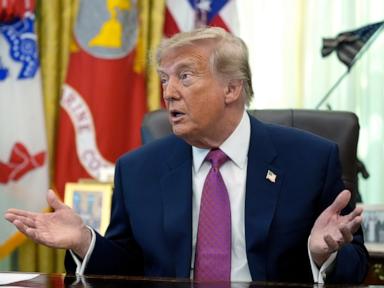
If you want to understand why this conflict has dragged on without a clear resolution, you have to look past the official press briefings. Washington's stated objectives have shifted multiple times since February. President Donald Trump initially claimed the campaign would completely obliterate Iran's missile production and secure shipping lanes, but those benchmarks have routinely moved. By mid-May, administration estimates claimed over 80 percent of Iran's missile inventory was gone, yet U.S. Central Command was still actively striking launch sites and communication networks well into the summer.
The primary battleground is no longer just about missile stockpiles. It is about the Strait of Hormuz. Iran effectively closed the crucial oil and gas transit corridor, using the maritime bottleneck as permanent leverage against Western economic pressure. Even though Washington insists the strait is open, commercial shipping companies remain deeply hesitant to risk multi-million-dollar cargo vessels in a war zone, rendering naval assurances largely symbolic.
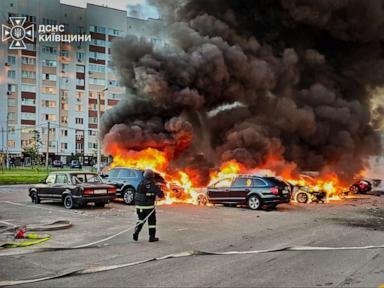
Meanwhile, regional dynamics have frayed. Gulf states hosting American military installations have absorbed retaliatory drone and missile strikes, forcing leaders in countries like Qatar, Saudi Arabia, and the United Arab Emirates to hedge their bets. Pakistan and Qatar are currently leading back-channel diplomatic pushes to bring Washington and Tehran back to the table, but trust has evaporated since a temporary June memorandum of understanding crumbled within weeks.
Iran's leadership transition proved far more resilient than expected. Rather than sparking a revolution, external strikes triggered a defensive nationalism. Citizens under bombardment ignored calls to overthrow the government, and replacement leadership quickly consolidated authority. Experts at institutions like Israel's Institute for National Security Studies note that Tehran's major risk now is confusing sheer survival with actual victory, overestimating how much economic leverage a closed strait can buy them.
Sanctions continue to hammer Iran's economy, and the U.S. naval blockade aims to starve the regime of vital revenues. Yet Tehran is leaning on alternative regional partners and pushing new temporary trade arrangements through intermediaries like Oman, attempting to carve out workarounds.
The White House insists that maximum pressure is working and claims Tehran is desperate for a deal. Publicly, however, Iranian officials refuse to budge on reopening shipping lanes without full concessions on sanctions relief and a return to prior truce terms. With neither side willing to absorb the political cost of backing down, the conflict sits in a tense stalemate where American strategy lacks a defined endpoint.