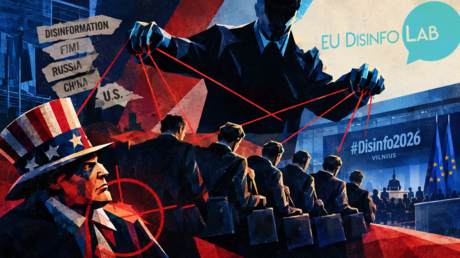
Brussels and Washington spent decades treating international media governance like a polite game of transatlantic tennis. Then Brussels tagged a few American state-backed narratives as hazardous material, and Washington threw a tantrum. The headlines shrieked about retaliation, censorship, and broken alliances. Everyone treats this spat as a shocking rupture in diplomatic norms.
They are missing the entire point.
I have watched policy shops on both sides of the Atlantic spend millions of dollars building elaborate information control apparatuses under the polite banner of counter-propaganda. When the European Union applies its own regulatory framework to digital speech, it is merely playing the exact game Washington invented, just with a different set of rulebooks. American officialdom gets furious not because speech rights are suddenly under siege, but because someone else figured out how to use the censorship tools first.
The Myth of the Neutral Information Market
Let us dispense with the fairy tale that the global internet operates as a free-market marketplace of ideas where the best argument wins. That model died the moment governments realized that digital networks dictate national security.
When American officials label foreign outlets as threat vectors, they call it protecting national security. When European regulators do the exact same thing to American platforms, Washington calls it protectionism and censorship. This double standard exposes a fundamental truth about modern geopolitics. Information is infrastructure. Nations protect their infrastructure with tariffs, blockades, and regulations. Expecting digital speech to remain immune to this sovereign turf war is dangerously naive.
The lazy consensus in mainstream media frames this as a battle between Western liberty and European bureaucracy. That ignores the quiet reality of domestic speech management. Both capitals rely heavily on pressure campaigns directed at private tech monopolies to scrub, downgrade, or amplify specific narratives. The transatlantic fight is not about whether speech should be managed. It is about who holds the remote control.
Follow the Regulatory Money
To understand why Washington reacted with such defensive bluster, look past the rhetoric about freedom of expression and look at the balance sheets of Silicon Valley. European digital rule enforcement threatens the revenue models of American tech giants through massive compliance penalties.
When Brussels targets information ecosystems, it hits American corporate profits. That is the actual trigger for retaliation. The disinformation label serves as a convenient diplomatic proxy war for commercial protectionism. Washington does not care about the philosophical nuances of European media oversight; it cares about market access.
Meanwhile, the European strategy relies on bureaucratic overreach that often mistakes unpopular political dissent for foreign interference. By conflating organic domestic skepticism with coordinated overseas psyops, European regulators hand authoritarian regimes a global blueprint for domestic censorship. Every time Brussels fines an American platform for failing to suppress contested narratives, repressive governments around the world take notes and tighten their own grip on local dissidents.
The Real Threat Nobody Wants to Name
The screaming match between regulators hides the real crisis. Citizens on both sides of the Atlantic have completely lost faith in legacy institutions because those institutions spent decades lying or massaging the truth to maintain public compliance.
No foreign adversary needs to manufacture fake news to destabilize Western democracies. Domestic elites managed that feat all by themselves through economic inequality, institutional failure, and tone-deaf communication strategies. Blaming foreign disinformation operations acts as a convenient psychological defense mechanism for leaders who refuse to look in the mirror.
Washington can threaten trade retaliation and issue stern diplomatic warnings all it wants. It will not fix a broken information ecosystem.
Stop pretending this is about defending the First Amendment. It is a turf war between declining empires fighting over who gets to define reality. And until both sides admit that their own credibility crisis fuels the fire, every new retaliatory measure will only burn the house down faster.



