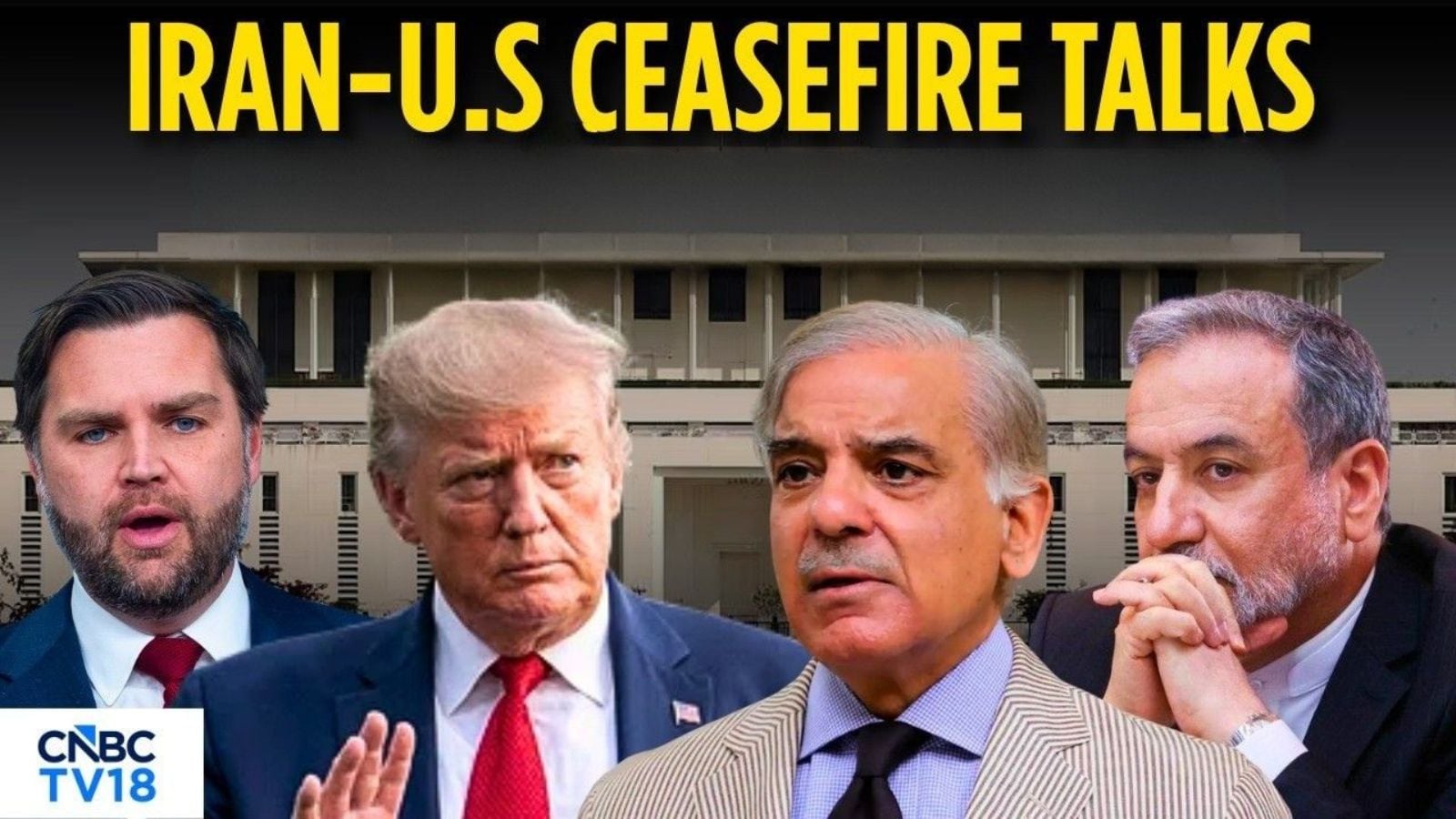
Everyone in the foreign policy establishment loves a clean narrative. They want neat little boxes labeled strategy, deterrence, and mixed signals. When headlines scream that Washington is sending contradictory messages regarding Iran, the lazy consensus nods along, assuming policy paralysis.
That diagnosis is pure fantasy.
I spent years watching policymakers panic over every tactical shift, mistaking calculated ambiguity for confusion. What observers call mixed signals is actually a deliberate doctrine of asymmetry. Tehran operates on a timeline stretching across generations, while Western capitals panic over election cycles and quarterly approval ratings. Treating their strategic patience as erratic behavior guarantees you will miss the entire plot.
The Myth of the Coherent Grand Strategy
The conventional media loves to frame foreign policy as a chess match where pieces move predictably according to rulebooks.
It is not chess. It is a perpetual, low-intensity bazaar negotiation where the table is always on fire.
When analysts claim policymakers lack a cohesive approach, they betray a fundamental misunderstanding of modern statecraft. A singular, rigid doctrine gets crushed the moment reality shifts. Flexibility looks like chaos to an outsider. If you demand predictable linear escalation from a government whose entire survival mechanism relies on porous boundaries, ideological proxies, and economic subversion, you are asking for a blueprint of your own defeat.
Let us look at the actual mechanics.
Western intelligence agencies spend billions trying to map out a rational actor model. They assume economic pressure leads directly to domestic political compliance. History demonstrates the exact opposite. Sanctions harden internal control structures. They provide the ruling apparatus with an internal scapegoat for every domestic failing, cementing regime survival while starving the middle class of independent leverage.
The Cost of Misreading Asymmetry
I have watched strategists throw billions of dollars at containment models designed for twentieth-century nation-states, completely blind to network-centric warfare.
You cannot deter a decentralized network with a carrier strike group.
When a state builds its entire defense architecture around proxy militias, cyber espionage, and economic shadow banking, traditional deterrence theories collapse. Traditional deterrence relies on mutual vulnerability. If your adversary treats economic pain as a secondary variable compared to ideological longevity, your threats bounce off harmlessly.
Consider the obsession over diplomatic ultimatums. Every time a diplomat steps to a podium demanding immediate compliance, markets twitch and pundits write thousand-word essays on shifting red lines. These theatrics are noise. The signal is found in infrastructure development, resource allocation, and quiet agreements signed in regional capitals that never make the evening news.
Disassembling the Proxy Paradox
A common talking point across international relations desks argues that proxy networks drain national treasuries to the point of internal collapse.
This argument collapses under basic scrutiny.
Proxy networks are cheap. They cost a fraction of what traditional conventional militaries require in maintenance, pensions, and hardware upgrades. By outsourcing regional friction to local militias, the central government projects massive power across borders while insulating its own domestic infrastructure from direct retaliation.
Calling this strategy unsustainable ignores the math. It is remarkably efficient.
[Conventional Defense Spending] ---> High Cost / Rigid Infrastructure
[Asymmetric Proxy Strategy]    ---> Low Cost / High Regional Influence
Western analysts look at high inflation and domestic protests inside Tehran and assume the regime is months away from a financial cliff. They confuse economic hardship with a loss of political control. Security apparatuses do not crumble simply because the price of bread goes up. They crumble when internal security forces switch sides. That threshold requires entirely different conditions than a standard currency devaluation.
The Real Objective is Perpetual Friction
Stop asking whether the strategy is succeeding or failing based on traditional diplomatic wins. That framework is obsolete.
The goal has never been a stable, status-quo regional peace. The goal is maximized leverage through continuous, manageable instability. As long as the region remains too volatile for permanent Western integration but stable enough to prevent total war, the current framework achieves its primary objective.
Pretending that a sharper speech or a tougher set of trade restrictions will suddenly trigger a dramatic course correction is comforting delusion. It protects the pundit class from admitting they are watching a game they were never trained to play.
The next time you read about conflicting diplomatic signals, remember one simple truth. They are not confused. You are just reading the wrong manual.