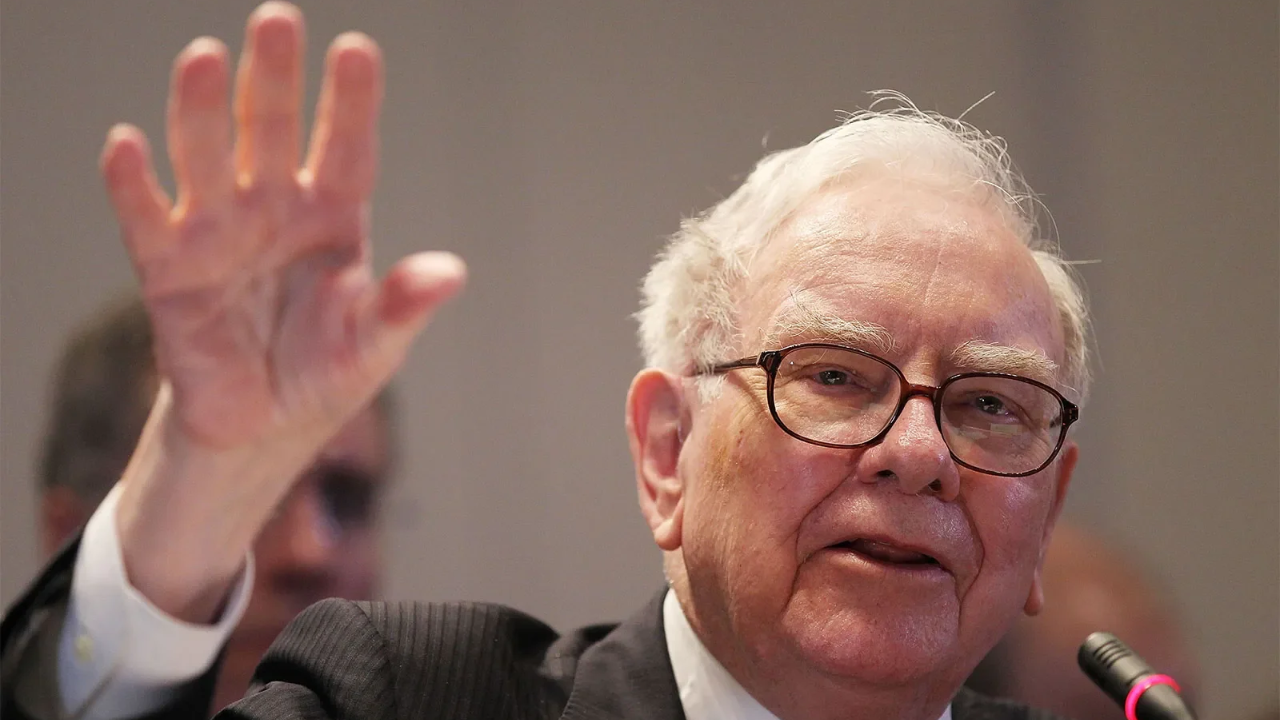
Warren Buffett didn't write a check. He converted 6,150 Berkshire Hathaway Class A shares into 9,225,000 Class B shares and handed them straight to four family-led foundations. At roughly $592.94 a share at the November 13, 2026 market close, that Thanksgiving-week transfer came out to about $5.47 billion—pushing his cumulative gifts to those four family charities past $29 billion.
A headline like that grabs attention fast. Yet the bigger story isn't the sticker price. It's the pace, the family power shift, and the quiet exit of the Gates Foundation from Buffett's giving map.
Why Warren Buffett Stepped Up the Pace
If you've watched Buffett's giving over the years, you know he usually moves like a glacier—steady, predictable, and unbothered by headlines. That changed. In mid-November 2026, Buffett's Thanksgiving conversion was more than triple the 1,800 Class A shares he converted a year earlier in November 2025.
Why speed up now? Age and math do the talking. Buffett is 96, and his children aren't getting any younger. He has set a target to distribute essentially all of his remaining Berkshire Hathaway stock by the end of 2034. Even after giving away $5.47 billion this month, filings show he still holds 182,140 Class A shares and 1,162 Class B shares.
That remaining stake isn't pocket change. Depending on daily market swings, it's worth well over $150 billion. Moving that kind of equity over an eight-year runway takes larger annual bites, especially when Buffett wants the foundations to grow their yearly grantmaking rather than sit on idle capital.
His Thanksgiving note also carried a personal weight that wasn't there a few years ago. Charlie Munger died in late 2023. Buffett stepped down as Berkshire's CEO at the end of 2025, handing the operating reins to Greg Abel while moving into chairman emeritus and seeing his son Howard G. Buffett elected chairman in September 2026. When Buffett says he trusts his children's judgment and fidelity 100 percent, it reads less like a polite line and more like a finished handoff.
Where the $5.47 Billion Actually Went
A single lump sum makes it sound like one giant pot of money. In reality, Buffett split the 9,225,000 Class B shares across four distinct organizations with very different missions.
- Susan Thompson Buffett Foundation: Received 3,690,000 Class B shares—40 percent of the total gift. Named for Buffett's late first wife, it focuses heavily on reproductive health and college scholarships for Nebraska students.
- Sherwood Foundation: Received 1,845,000 Class B shares (20 percent). Chaired by Susie Buffett and based in Omaha, it backs Nebraska nonprofits, early childhood programs, and local community work.
- Howard G. Buffett Foundation: Received 1,845,000 Class B shares (20 percent). Led by his son Howard, it concentrates on global food security, conflict mitigation, and anti-trafficking efforts.
- NoVo Foundation: Received 1,845,000 Class B shares (20 percent). Co-chaired by Peter and Jennifer Buffett, it directs funding toward girls and women, indigenous communities, and community resilience.
Notice something subtle in the split. In the November 2025 Thanksgiving round, the three children's foundations received 400,000 Class B shares each out of 2,700,000 total—about 44 percent combined. This time around, they each got 1,845,000 shares, lifting their combined share to 60 percent.
The Gates Foundation Shift
You can't talk honestly about Buffett's philanthropy without mentioning what isn't in this package. For nearly two decades after his 2006 pledge, the Bill and Melinda Gates Foundation received the lion's share of Buffett's annual stock gifts—totaling roughly $47 billion to nearly $48 billion over the years.
In July 2026, Buffett cut off new donations to the Gates Foundation. Coverage around that decision pointed to Buffett's distaste for Bill Gates's past ties to Jeffrey Epstein, though Buffett framed the move primarily around his confidence in his own children taking on the full weight of his remaining fortune. Whatever the exact balance of motives, the Gates era of Buffett's giving is over, and the family foundations now carry the whole load going forward.
Donating Stock Instead of Cash Changes the Math
Plenty of people assume billionaire donations work like writing a giant check from a bank account. Buffett does the exact opposite, and honestly, it's one of the smartest structural habits in modern philanthropy.
When you donate appreciated stock directly to a qualified charity, you bypass capital gains tax on the built-in appreciation while still taking a charitable deduction under IRS rules—subject to adjusted gross income limits that depend on asset type and recipient structure. Even more important for Berkshire, Buffett gives Class B shares converted from Class A shares rather than forcing the company to liquidate cash or sell off core businesses like GEICO, BNSF, or its energy utilities.
For the receiving foundations, getting Berkshire stock means holding equity in a massive, cash-generative conglomerate. That can be a blessing and a headache at the same time. Foundations have to meet IRS payout rules—generally distributing at least about 5 percent of their net investment assets each year—which means their trustees eventually sell shares or manage cash flows to fund grants. Watching how each foundation paces its sales as its endowment swells is half the game for anyone tracking where this money lands.
What Nonprofits Get Wrong About Mega-Gifts
Every time Buffett announces a multi-billion-dollar gift, nonprofit directors light up with hope. I've seen fundraising teams rewrite their grant calendars overnight because a famous billionaire just moved billions into family foundations. Usually, that's a mistake.
Mega-foundations run by family members rarely operate like open public grant portals. Out of the four recipients in Buffett's November 2026 gift, the only wide-open public application program people point to is the college scholarship pipeline through the Susan Thompson Buffett Foundation for Nebraska students.
Sending an unsolicited grant proposal to NoVo or firing off a cold email to the Howard G. Buffett Foundation rarely goes anywhere. In high-trust family philanthropy, grants usually grow out of field presence, known partners, co-funders, and multi-year track records—not cold pitches. If you're outside Nebraska or outside their core focus areas, chasing them as a primary funding source will waste months of staff time.
There's also a debate among philanthropic critics about perpetuity versus spend-down models. Some donors push for rapid spend-down so urgent problems get money today; Buffett's structure hands massive equity stakes to his children to deploy over time with a goal of growing annual grants. Critics sometimes argue concentrated family control keeps too much wealth tied up in private boards, while supporters point out that Howard, Susie, and Peter have spent decades doing hands-on work in their respective fields rather than treating philanthropy as a side hobby. Both sides have real points—and neither changes the fact that the capital is legally theirs to steward.
Practical Next Steps Based on What This Means
If you're an investor, a nonprofit leader, or just someone trying to make sense of your own giving plan, you don't need $150 billion to take something useful out of this:
- If you run or fundraise for a nonprofit: Treat Buffett's $5.47 billion move as context, not a shortcut. Map existing grantees through public IRS Form 990-PF filings, focus on genuine alignment with Nebraska education, food security, or women's and community initiatives, and stop sending cold grant decks where no open application exists.
- If you're a Berkshire Hathaway shareholder: Don't read a stock donation as a bearish signal on the business. Buffett has been steadily trimming his personal share count for twenty years as part of a pre-announced wind-down plan, and the shares go to long-term foundations rather than hitting the market all at once.
- If you're planning your own charitable giving: Talk to a CPA or tax advisor before writing checks with after-tax cash. If you hold long-term appreciated stock or ETFs in a taxable brokerage account, donating shares directly to a charity or donor-advised fund often stretches your impact further without triggering capital gains taxes.
Buffett ended his Thanksgiving message by urging people to thank selfless mentors and become benefactors themselves. You don't need Berkshire Class A shares to do that—just a clear head, a real cause, and the discipline to follow through.