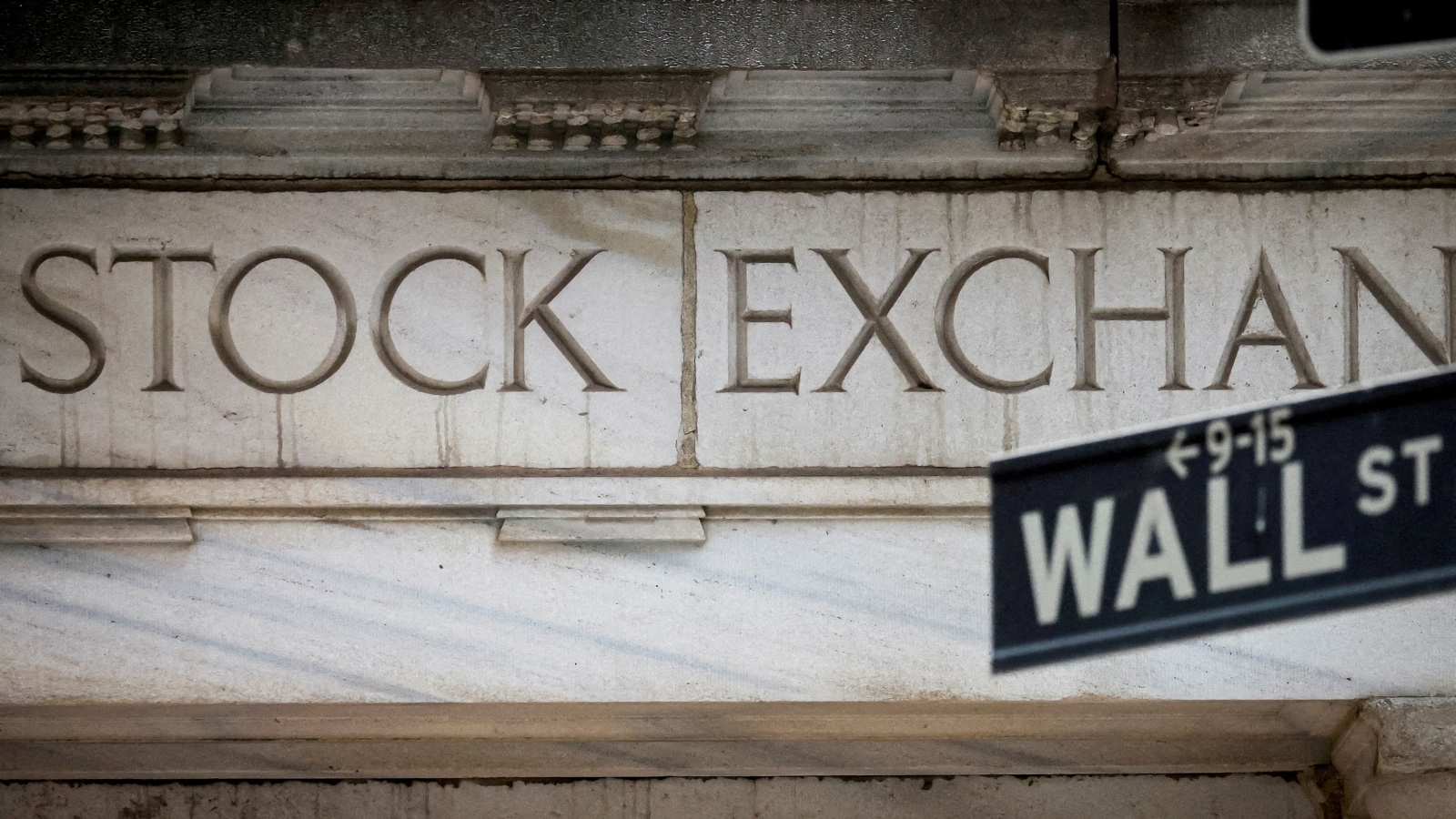
You have been told to watch the chipmakers, the cloud giants, and the founders building LLMs in Silicon Valley. But if you want to know who is actually securing the bag during this massive infrastructure buildout, don’t look at California. Look at Wall Street.
The frantic rush to build data centers, secure massive power grids, and purchase endless supplies of silicon has created a secondary gold rush. The primary beneficiaries aren’t just the tech companies selling the shovels. It is the financial institutions funding the mines. Recent quarterly earnings show that the AI boom has found its most lucrative, cash-rich winners yet: Goldman Sachs and JPMorgan Chase.
While retail investors argue over chip valuations, the world's largest investment banks are quietly collecting historic fees by facilitating the massive capital flows required to keep the AI dream alive.
The AI Capex Super Cycle is a Wall Street Dream
Tech giants are spending staggering amounts of money. We are talking about hundreds of billions of dollars poured into physical infrastructure. Goldman Sachs CEO David Solomon calls this an "AI capex super cycle".
Think about what it actually takes to train a frontier model. You don't just need code. You need real estate, massive concrete structures, thousands of high-end servers, and a dedicated power supply that could run a medium-sized city.
Where does that money come from? It doesn't just appear on a balance sheet. It requires complex debt financing, massive equity issuance, and intricate corporate restructuring.
This is where the big banks step in. When a tech titan or an energy provider needs $10 billion to build a gigawatt-scale data center campus, they call Goldman Sachs or JPMorgan. The banks advise on the deals, structure the debt, underwriting the bonds, and pull the levers of global capital.
The Mind-Blowing Numbers Behind the Surge
The financial results from the second quarter show exactly how lucrative this business has become:
- Goldman Sachs reported a 39% surge in quarterly revenue, hitting $20.3 billion. Their investment banking fees jumped 55% to $3.4 billion, largely driven by advising on giant deals and helping companies raise capital for tech-related infrastructure.
- JPMorgan Chase brought in a staggering $58 billion in quarterly revenue, up 27%. Their net income rose 41% to $21.2 billion, demonstrating the sheer power of their financial engine.
This isn't a minor bump. It is a fundamental shift in where the money in the AI ecosystem is ending up.
The Secret Weapon of the Trading Desks
The investment banking advisory fees are only half the story. The real shockwave hit the trading desks.
As investors worldwide try to figure out how to play the AI trend, they are trading equities at an unprecedented rate. This immense volume and volatility are a paradise for market makers.
JPMorgan saw its equities trading revenue skyrocket by 86% to $6 billion. Goldman Sachs was even more dominant, bringing in $7.42 billion in equity trading, representing a 72% increase. These two banks alone beat analyst trading expectations by a combined $4.4 billion.
https://encrypted-tbn0.gstatic.com/licensed-image?q=tbn:ANd9GcRsNDDDNMGQCBbBmuJ-9iEbrhytDKjBKKTXQA51LB4M9gKfFqruFrqS61YNNDoe-9U0rgRYpl-1ywrC6nI
This trading frenzy isn't just limited to US tech stocks. Savvy institutional investors are looking globally to find under-the-radar AI plays. They are pouring money into component suppliers and energy providers in South Korea, Taiwan, and Japan.
Wall Street banks act as the essential bridge for these global flows, capturing a slice of the action every time a pension fund or a family office reallocates capital across borders.
Using the Tech to Cut Internal Costs
While the external market is generating massive fees, these banks are also looking inward to optimize their own operations. JPMorgan is leading the charge here.
The bank has already deployed nearly 1,000 distinct AI use cases across its massive corporate structure, though leadership is laser-focused on scaling up the 50 most valuable ones.
CEO Jamie Dimon noted that certain operational units have already seen headcount reductions of 30% to 40% due to automated efficiency gains. Rather than massive layoffs, the bank is actively retraining these employees and moving them to higher-value client-facing roles.
By slashing administrative friction, reducing errors, and automating routine compliance tasks, the banks are ensuring their record-breaking revenues drop straight to the bottom line.
How to Play the Banking Side of the AI Trend
If you are tired of chasing overvalued chip stocks and want to gain exposure to the actual cash flow of the AI buildout, you need to change your perspective. Here is how to think like an institutional allocator:
- Look for capital facilitators over speculative builders. The companies constructing the physical data centers are taking on massive debt. The banks structuring that debt get paid regardless of whether the data center is profitable in ten years.
- Monitor investment banking backlogs. Watch the quarterly earnings calls for comments on "deal backlogs". A growing backlog at Goldman or JPMorgan means the infrastructure spending wave is still accelerating.
- Track global diversification trends. As the AI trade broadens beyond the US hyperscalers, global investment banks with strong footprints in Asia and Europe will capture a disproportionate share of cross-border trading fees.
The AI gold rush is far from over, but the smartest players aren't digging for gold. They are running the bank that funds the shovels.