Five soldiers dead and dozens severely burned during a routine exercise in Alberta. That alone would shake any country, yet the real shockwave hit hospital wards miles away from the smoke.
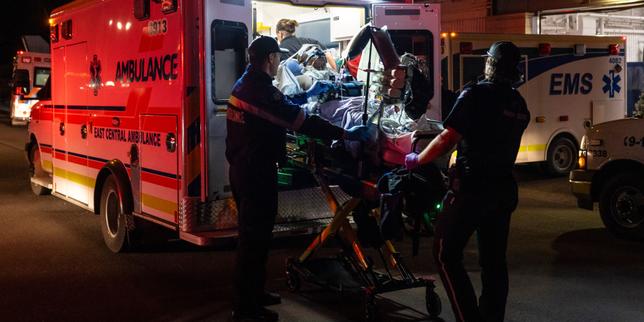
When high winds drove a brush fire across Canadian Forces Base Wainwright on October 17, 2026, it didn't just tear through a training ground southeast of Edmonton. It slammed into a provincial health care system already stretched thin, turning specialized burn units into high-pressure bottlenecks within hours. A sudden surge of complex trauma and thermal injuries quickly pushed local emergency and acute care teams to the brink, prompting urgent federal support and transfers across provinces.
Early breaking news stories often stop at the initial shock: the smoke, the sirens, the first casualty count, and a blanket quote saying hospitals are overwhelmed. That tells you a tragedy happened. It doesn't tell you why a single training-ground blaze strains burn care across multiple provinces for months.
How a Training Fire Turned Into a Multi-Province Health Strain
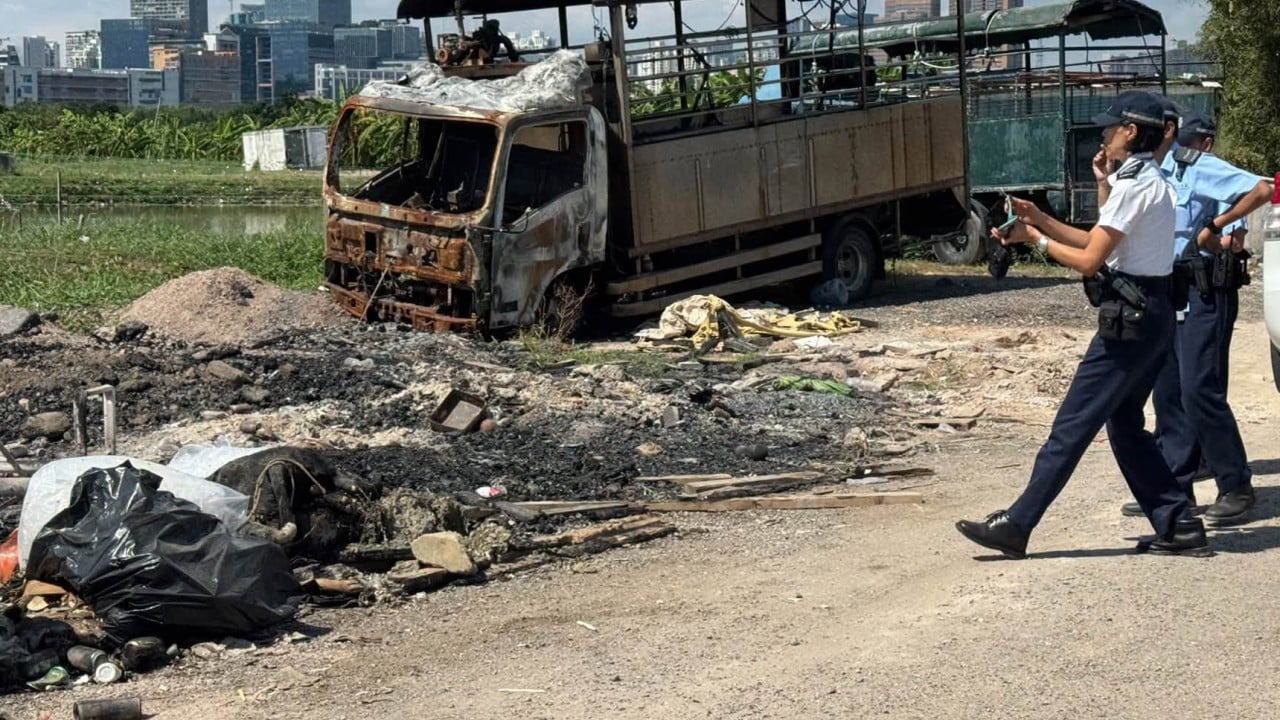
On the afternoon of October 17, troops from the 3rd Battalion, Princess Patricia's Canadian Light Infantry, alongside reserve members, were conducting live-fire training during Exercise APOLLO SHOOTER when a fire broke out. Gusts of wind pushed the flames rapidly—jumping nearly a kilometre according to Prime Minister Mark Carney—sweeping through the unit administrative area and over the base perimeter toward surrounding rural land and the town of Wainwright.
Four soldiers died that evening: Sgt. Morgan Wong, Pte. Shaun Farrell, Pte. Hayden Lykkemark, and Pte. Aidan Goulding. Thirty-nine others were injured, and in mid-November a fifth soldier, Pte. William Douglas Dal Bianco, died in an Ontario hospital after being transferred for specialized treatment.
Here's the part most headlines gloss over. A mass-burn event isn't like a typical car pileup where patients get stabilized, patched up, and sent home in a few days. Severe burns demand constant wound care, airway management, infection control, and frequent trips to the operating room.
"This is not a sprint, this is a marathon. We expect to be providing care for these patients all the way through December, January, and going forward." — Dr. Sayeh Zielke, interim CEO of Acute Care Alberta
Even weeks after the fire, dozens of injured service members remained hospitalized across Alberta, British Columbia, and Ontario, with several in critical condition and on ventilators. Transferring select patients closer to home in British Columbia and Ontario helped families stay near loved ones, yet it also underscored how localized burn expertise is across Canada. When a single incident produces dozens of serious burn cases at once, there simply aren't that many specialized beds sitting empty.
Why Burn Units Hit a Wall So Fast
People sometimes assume a big city hospital can just "open a few extra beds" during an emergency. Burn care doesn't work like that.
A standard medical floor can flex up with extra cots in a pinch. A burn unit relies on niche clinical skills, strict infection isolation, specialized dressings, and round-the-clock nursing ratios that you can't conjure overnight. When multiple critically burned patients arrive together, nurses and physicians end up working grueling shifts day after day—not just for a weekend, but for weeks and months.
That reality became impossible to ignore by early November, when Alberta requested federal assistance and military nurses were deployed to relieve civilian burn teams through mid-January 2027. Bringing in military nursing personnel wasn't a PR move. It was a practical necessity to give exhausted hospital staff real breathing room while keeping high-acuity care steady.
Regulators and clinical leaders have also pointed to novel treatments being used alongside standard protocols, including Health Canada granting special access to RECELL, a spray-on skin technology, for treating injured troops. Advanced tools can help, sure, yet they don't erase the core bottleneck: skilled human hands watching every airway, fluid balance shift, and dressing change.
Common Misconceptions About Base Emergencies and Hospital Surge Capacity
When a tragedy hits a military installation, a few myths pop up almost right away. Clearing them up helps make sense of what's actually happening on the ground.
- Myth: Military bases have self-contained hospitals that handle major trauma on their own. Bases have medical clinics and initial response capabilities, not full-scale tertiary burn centers for dozens of critical casualties. Severe thermal trauma quickly moves into civilian provincial acute care networks in cities like Edmonton and Calgary, and sometimes out of province.
- Myth: Once the initial emergency phase passes, hospital pressure drops right back to normal. The headline urgency fades after a few days, yet burn recovery drags on. Surgeries, grafts, rehab, and ventilator support keep high-acuity beds occupied long after the fire is out.
- Myth: Fast answers on how it happened are easy to get. Three separate investigations have been underway to examine what caused and shaped the tragedy, and complex safety and operational reviews can take up to a year. Rushing to conclusions before evidence is verified only spreads bad information.
What Comes Next for Investigations, Families, and Health Teams
Three investigations are looking into the circumstances of the Wainwright fire, aiming to piece together weather conditions, training operations, and fire spread. Meanwhile, recovery is split across two tracks that move at completely different speeds: slow, methodical reviews on paper, and intense physical and emotional healing in hospital rooms.
For families of injured soldiers, even a single hospital discharge—like another soldier leaving care in mid-November—is a welcome milestone, even while twenty-three service members still remained hospitalized across three provinces. For health care workers, sustained support and adequate staffing aren't side notes; they're what keep burnout from turning a second wave of strain onto the care teams themselves.
If you're following updates or trying to support people affected by the tragedy, stick to verified official sources rather than social media rumors:
- Check official updates directly through the Department of National Defence, Alberta Health Services, and Acute Care Alberta for accurate casualty, transfer, and discharge numbers.
- Respect family privacy and verified memorial channels rather than sharing unconfirmed names, photos, or speculation about ongoing investigations.
- Support local health and community efforts through established, legitimate channels—and remember that the people caring for injured service members need steady backing long after the initial news cycle moves on.