The audio file is small. It occupies mere megabytes on a digital server, but it contains an infinite weight.
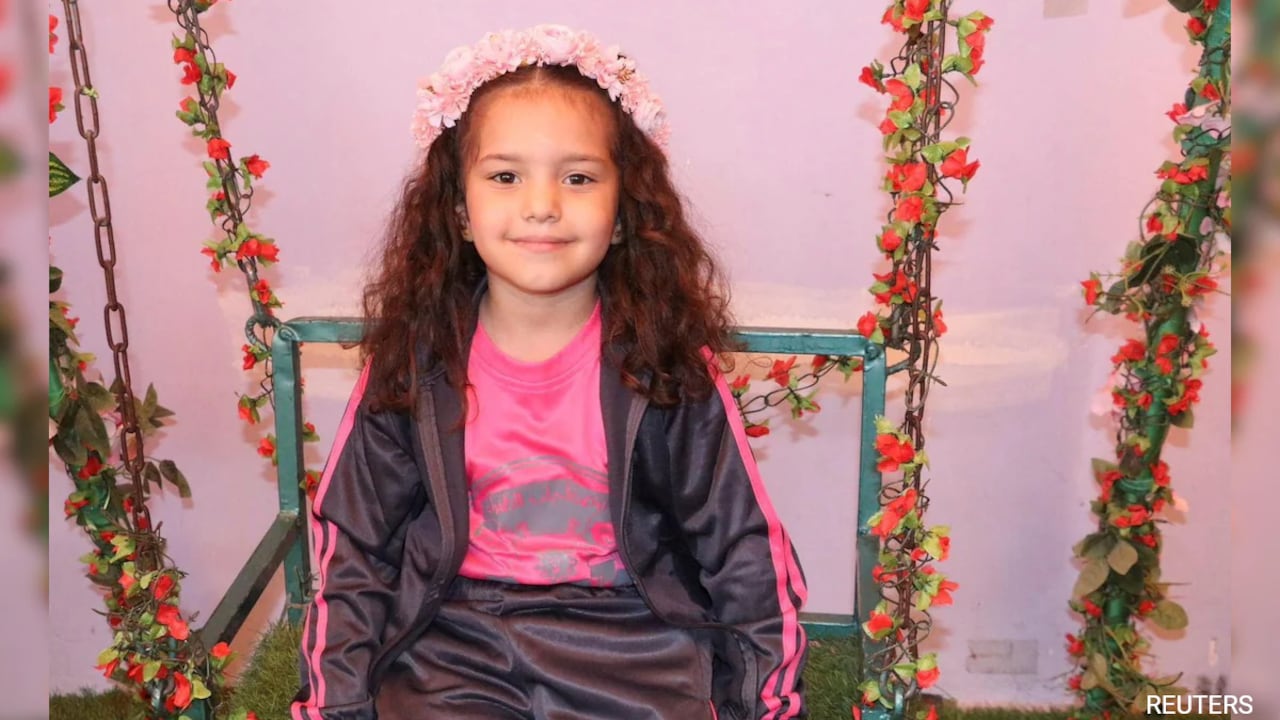
Listen closely, and you hear the dry static of a telephone line stretching across a fractured landscape. Then, a child’s voice cuts through the electronic hiss. Five-year-old Hind Rajab is talking to dispatchers at the Palestinian Red Crescent Society. She is trapped inside a bullet-riddled car in Gaza City, surrounded by the silent, unyielding bodies of her aunt, uncle, and four cousins. A short time earlier, her fifteen-year-old cousin Layan was on that same line before gunfire abruptly terminated her sentence. Now, Hind is alone in the dark, speaking into a plastic receiver, begging for someone to come and save her. Don't forget to check out our recent coverage on this related article.
“Mama, I’m scared,” she whispered. “Mama, I’m hungry. Mama, I’m hurt.”
Those words did not stay in January 2024. They drifted across oceans, echoing through courtrooms, broadcast screens, and the collective memory of a watching world. They became an indictment. They became an unyielding ghost haunting every institutional corridor that sought to look away. To read more about the background here, The Guardian offers an excellent summary.
More than two years later—934 days after 335 bullets tore through the family's vehicle, and after two brave paramedics sent to rescue her were also killed—the military machinery responsible has broken its long silence. The Israeli military announced it is opening a criminal investigation into the tragedy.
For the world, it is presented as a procedural milestone. For the woman who birthed Hind, it is something entirely different. It is an insult wrapped in bureaucratic delay.
Wesam Hamada does not want your closed military files. She does not want a sanitized internal review managed by the very institution that pulled the triggers.
“I do not want a closed military investigation,” Hamada stated plainly. “I want an independent, transparent investigation and genuine accountability for everyone responsible.”
Consider the timeline. For years, initial responses denied presence or evaded responsibility. Independent investigators—using forensic audio mapping, satellite data, and witness accounts—pieced together the horror long before official admissions caught up. Independent groups like Forensic Architecture mapped the precise sightlines of the tanks parked meters from the terrified child. Dispatchers stayed on the line for hours, helpless as distance and military clearance blocked the path of the ambulance. When rescue workers finally reached the spot twelve days later, they found the car destroyed and the charred remains of the ambulance nearby.
Now, an announcement arrives. But trust cannot be retrofitted.
“Why did the investigation and the acknowledgment of the shooting at Hind's car and at the paramedics come only after more than two years?” Hamada asked. “It's an attempt to distract from what's happening in Gaza and improve the army's image to the world. That's it.”
This skepticism is rooted in a fundamental truth of conflict zones: internal accountability is an oxymoron. When an army investigates itself, the verdict is often written before the inquiry begins. Families who bury their children do not need public relations gestures designed to mend diplomatic optics. They need neutral arbiters, unvarnished facts, and a courtroom where the powerful are bound by the same laws as a five-year-old child trapped in a car.
The recording of Hind’s voice remains saved on thousands of phones globally. It is a reminder that bureaucratic delays cannot outrun moral debt. Every time an official statement attempts to close the book on an atrocity with soft language and delayed admissions, that high, frightened voice plays back, asking the only question that matters.
Mama, are you coming?