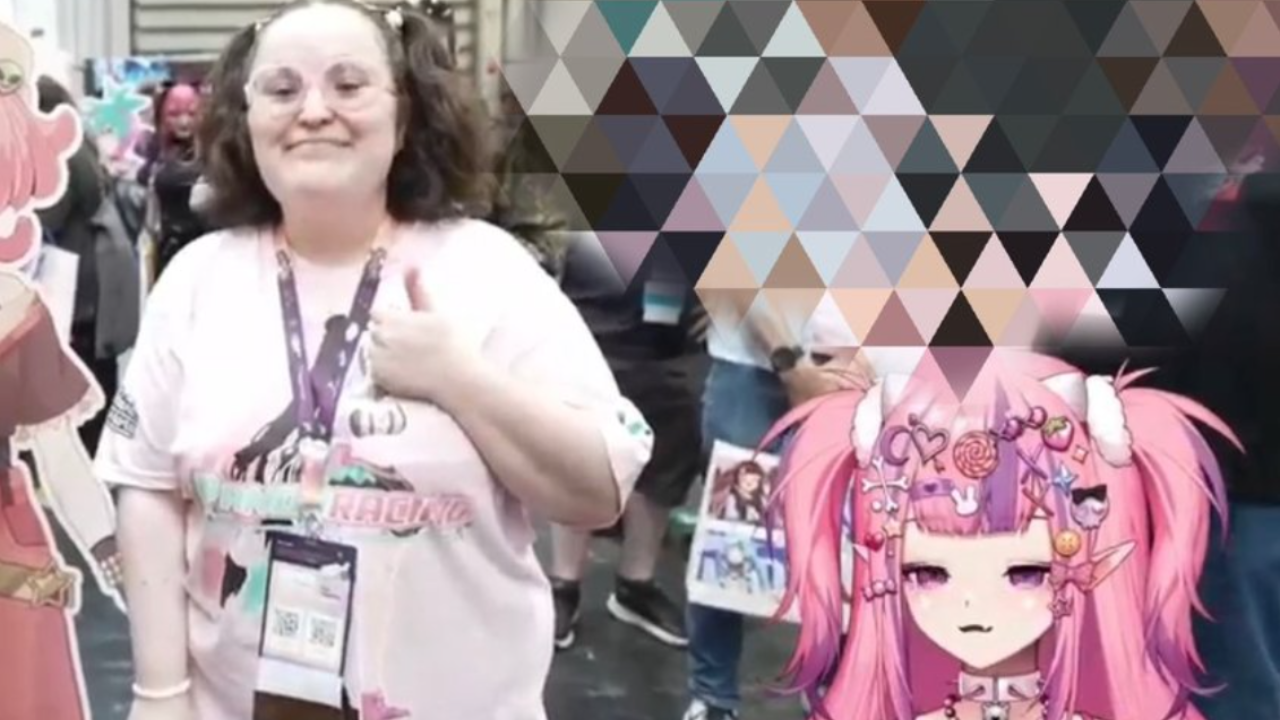
When Moogdayo revealed their face to millions, the digital applause was instantly drowned out by a deafening chorus of online cruelty. Within hours, over twenty million views accumulated on a clip that should have been a routine milestone for an independent creator. Instead, it triggered a toxic spectacle of mockery, body-shaming, and targeted harassment across social media platforms. The incident laid bare an uncomfortable truth about modern digital culture. People love the idea of authenticity until they are forced to confront actual human beings.
Enter Connor Colquhoun, widely known as CDawgVA. As a prominent voice within the streaming ecosystem, Colquhoun stepped forward to publicly defend Moogdayo and condemn the swarm of anonymous trolls. His intervention sparked a much broader debate about how online communities consume content, treat creators, and weaponize anonymity. But looking past the immediate drama reveals a systemic failure in how digital platforms handle harassment and how audiences perceive virtual personas.
The Anatomy of a Digital Backlash
To understand why a face reveal can spiral into a multi-million view harassment campaign, you have to examine the psychological distance inherent in online entertainment. Virtual YouTubers, or VTubers, rely on digital avatars to interface with their audience. This barrier creates a unique dynamic. Fans project their ideal traits, aesthetics, and fantasies onto a moving graphic. When that avatar is anchored to a real, physical person who does not fit narrow internet beauty standards, the illusion shatters for the worst segments of the fanbase.
The reaction to Moogdayo was not spontaneous. It was manufactured by internet subcultures that thrive on schadenfreude and performative cruelty. Anonymous users on platforms like X and TikTok treated the face reveal like sport. They screen-grabbed, mocked, and analyzed every physical detail with microscopic intensity.
This behavior highlights a deep rot in contemporary internet culture. Anonymity strips away basic empathy, transforming viewers into hostile critics who feel entitled to physical perfection from people who never asked to be traditional models. They are entertainers, comedians, and gamers. Yet, the internet continually holds them to impossible, superficial metrics.
The Limits of Creator Solidarity
When CDawgVA spoke out against the harassment, he was praised for using his massive platform to shield a peer. High-profile creators stepping in to condemn abuse matters. It signals to toxic communities that their behavior crosses a line and draws mainstream attention to institutional failures on streaming and social platforms.
However, relying on prominent peers to police bad behavior is a fragile band-aid on a gaping wound. Creator solidarity cannot replace structural accountability. When thousands of accounts coordinate to harass a creator, individual pushback often only adds fuel to the fire, driving more engagement to the very clips causing harm.
Platforms themselves bear the ultimate responsibility. Algorithms reward engagement, and toxic outrage generates massive engagement metrics. Until companies implement aggressive, proactive moderation that penalizes coordinated harassment campaigns, influential defenders like CDawgVA will continually find themselves playing an exhausting game of digital whack-a-mole.
The Cost of Transparency
For independent creators watching from the sidelines, the Moogdayo incident serves as a chilling deterrent. Why take off the mask? Why risk your mental health, your safety, and your peace of mind to satisfy an audience's demand for authenticity when the reward is public ridicule?
The irony is palpable. Audiences constantly demand that internet personalities be real, transparent, and vulnerable. Yet, the moment a creator delivers that vulnerability outside of a heavily curated, aesthetically pleasing package, the digital mob punishes them for it.
Moogdayo did nothing wrong. Choosing to share your face with your community is a personal milestone, not an invitation for public evaluation. The vitriol directed at them says everything about the sickness in our digital public squares and nothing about the creator's worth.
As long as platforms profit off the algorithmic reach of outrage and anonymity shields the worst actors from real-world consequences, the cycle will repeat. Another creator will hit a milestone. Another mob will gather. And another wave of defenders will arrive too late to stop the damage. The mask remains safer than the truth.