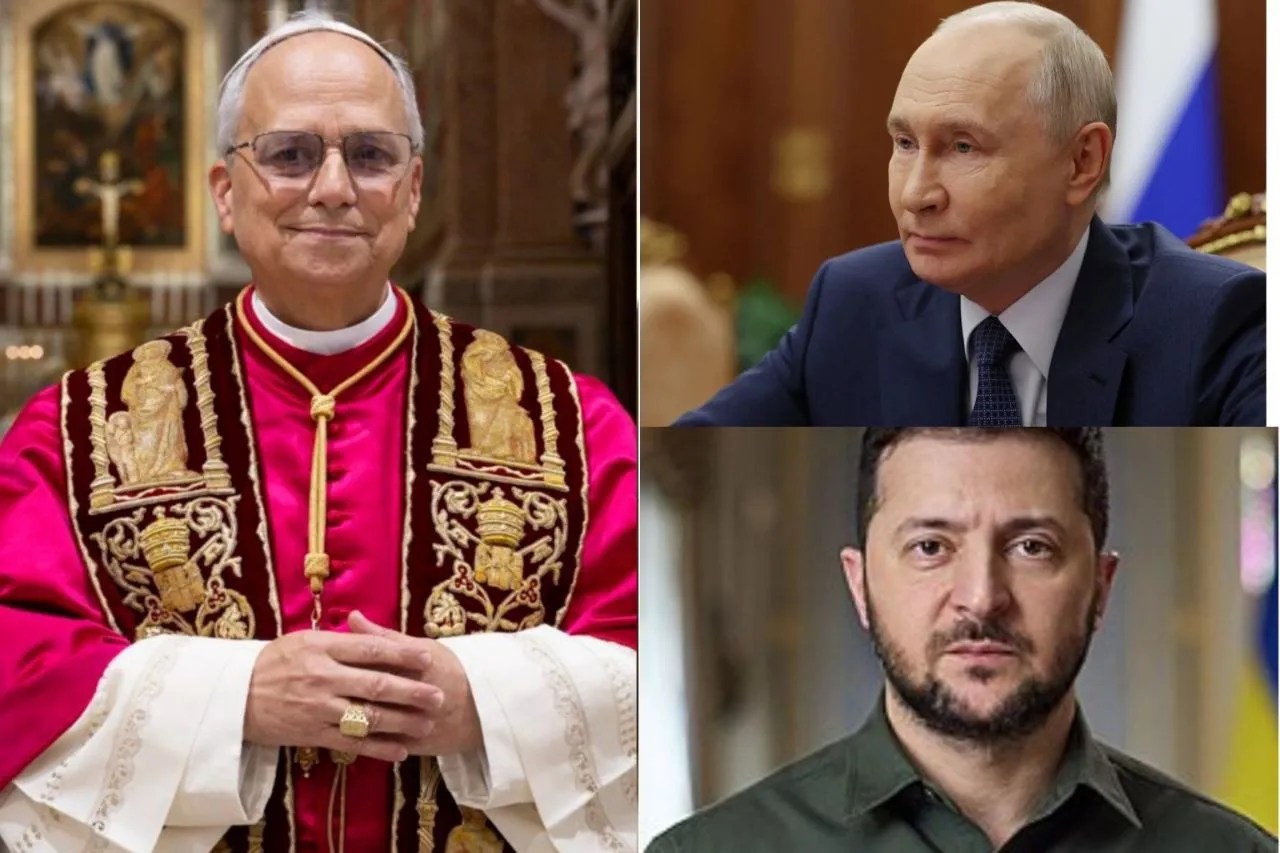
International diplomacy during a grinding war often looks like empty theater. Leaders exchange predictable statements, capitals issue routine condemnations, and the frontline barely shifts. Yet recent high-level communications between the Holy See and Eastern Europe reveal a different layer of back-channel maneuvering. When Pope Leo XIV engaged in direct phone diplomacy with Ukrainian President Volodymyr Zelensky following intense missile barrages over Kyiv and heavy fighting near occupied southern regions, it highlighted a persistent truth. The Vatican keeps trying to crack open humanitarian corridors even when outright peace remains entirely out of reach.
Most headlines treat papal interventions as mere symbolic gestures. That's a mistake. Behind the public appeals for ceasefires, Vatican state diplomacy operates as an independent line of communication when traditional western or bilateral channels face a total freeze. Following direct talks with Russian leadership, the pontiff pushed specifically for localized humanitarian pauses. These aren't grand peace treaties. They are narrow, high-stakes negotiations meant to pull trapped civilians out of pulverized zones like Oleshky and deliver urgent medical supplies.
The Reality Behind Kyiv's Frustration
President Zelensky's sharp responses to ongoing escalations stem from a practical exhaustion with endless, unpunished aerial assaults. When ballistic missiles slam into civilian infrastructure without advanced warning, calls for patience ring hollow in Kyiv. Ukraine's leadership faces an existential daily calculus. Every week spent entertaining diplomatic pleasantries while air defense systems run low feels like a tactical disadvantage.
This tension defines the modern limits of religious mediation. The Holy See refuses to align completely with western military strategies or adopt the hard political language of NATO capitals. Instead, Vatican officials maintain a strict third-party stance. Critics call this approach overly passive or morally ambiguous. Supporters argue it's the only way to keep a functional telephone line open to Moscow when everyone else has slammed the door shut.
What Pope Leo's Outreach Actually Achieves
You have to look past the grand rhetoric of ending the war overnight to see what these papal calls actually accomplish. They focus heavily on micro-logistics.
- Securing localized ceasefires for specific humanitarian corridors.
- Coordinating the evacuation of stranded non-combatants.
- Facilitating the exchange of lists regarding detained or displaced persons.
These efforts rarely make front-page news for long, but they keep human lives from becoming entirely secondary to artillery charts. When Zelensky briefed the Vatican on the grim realities of southern occupations and missed missile alerts, he was utilizing the world's oldest neutral institution to apply distinct moral pressure where conventional deterrence failed.
Diplomacy during total war is messy, deeply cynical, and painfully slow. The papal appeals won't magically redraw frontlines or stop ballistic missiles tomorrow. But as long as cities remain under siege and civilians stay trapped in crossfire, those awkward, high-level phone calls remain one of the few escape valves left in a system running entirely on raw attrition.