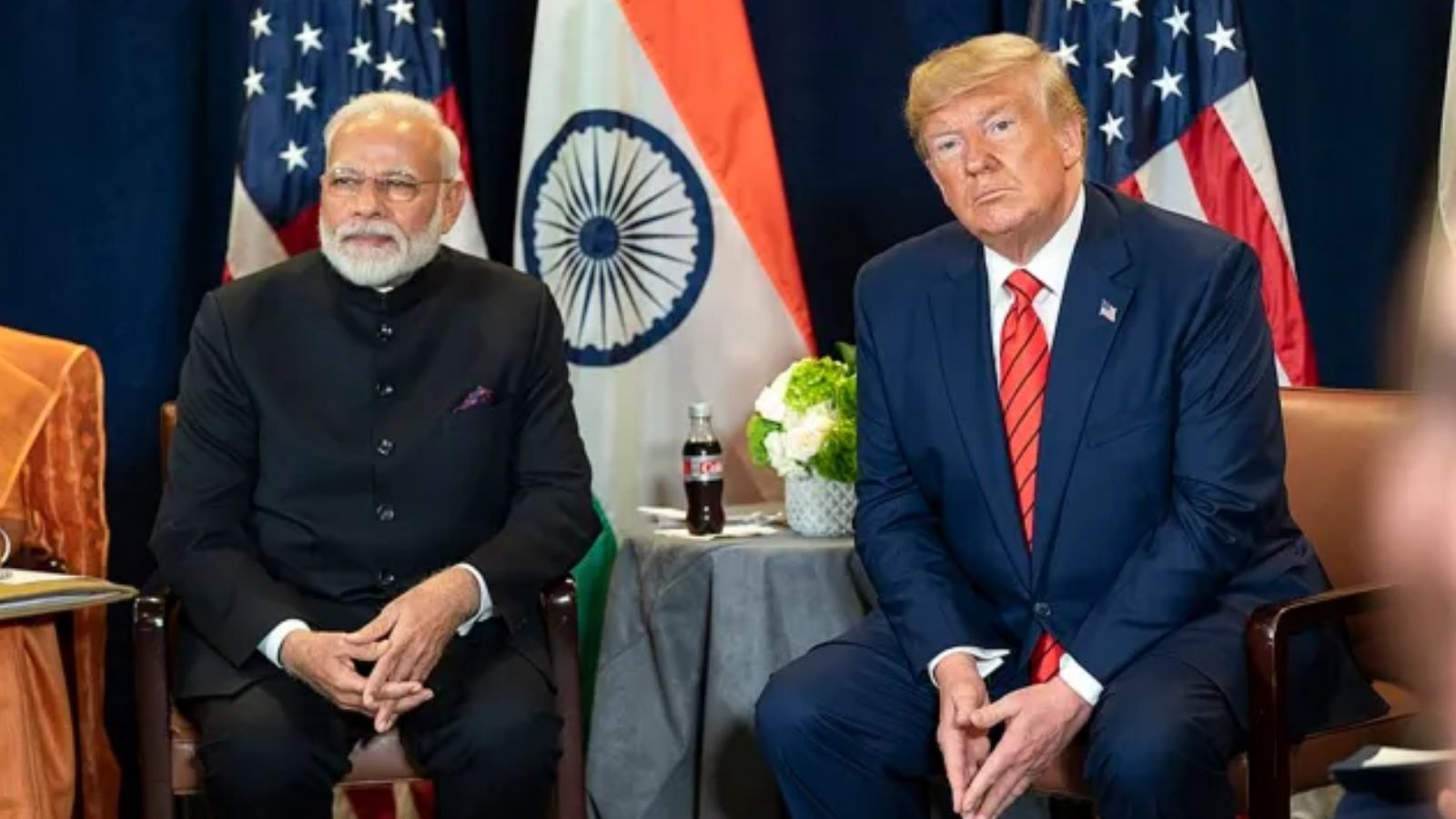
Washington just drew a very sharp line in the sand. The US Senate voted 86 to 11 to approve a massive sanctions package, officially named the Lindsey O. Graham Sanctioning Russia and Iran Act of 2026. It targets countries keeping Moscow's war machine afloat through massive energy purchases.
If you think this is just standard political posturing, look closer. The bill authorizes the White House to slap up to 100 percent tariffs on the top five importers of Russian crude oil and natural gas. That short list includes economic heavyweights like China and India, alongside Slovakia, Hungary, and Azerbaijan.
The legislation now heads to the House of Representatives. It forces a brutal economic choice on foreign capitals. Do you keep buying cheap Russian energy, or do you protect your export access to the American market?
Breaking Down the Real Numbers Behind the Tariffs
Let's look at the actual economics. India and China didn't start buying Russian crude out of sheer spite. Global supply chains shifted dramatically after West Asian conflicts choked off traditional Gulf crude shipments. Refiners had to pivot quickly to keep domestic economies running.
Now, Washington wants to break that habit with a heavy hammer. A 100 percent tariff on imports from top buyers sounds catastrophic on paper. But analysts are split on whether the math actually works out for anyone involved.
If New Delhi and Beijing stop buying Russian oil entirely, global supply contracts by roughly 12 percent. That sudden scarcity drives global crude prices skyward. Refiners end up paying billions more just to source alternative barrels.
On the flip side, absorbing a 100 percent tariff on exports to the United States carries a staggering price tag too. India alone ships tens of billions of dollars worth of goods to American shores annually. Doubling the tax on those goods would crush profit margins and slash export volumes.
The Internal Washington Pushback
Not everyone on Capitol Hill thinks this is a brilliant strategy. Dissenting voices argue that Washington is shooting itself in the foot.
Senator Rand Paul openly criticized the measure during floor debates, warning that alienating vital partners like India damages long-term American strategic interests in Asia. Senator Ron Wyden echoed those concerns, pointing out that blunt-instrument tariffs often backfire and hurt domestic US economic interests.
Critics in the House, including Democratic lawmakers Gregory Meeks and Don Beyer, argue the bill hands the executive branch too much unchecked authority. They contend it invites unpredictable trade wars rather than precise geopolitical accountability.
Supporters see it differently. Backers argue that polite diplomacy has failed to stop the cash flow feeding the conflict in Ukraine. They believe only massive financial penalties will force a change in behavior.
What Happens When the House Reconvenes
The legislative train isn't at the final station yet. The bill sits waiting for the House of Representatives to reconvene.
Even if it clears the House and reaches the president's desk, implementation isn't automatic. The text provides a legal framework and discretionary power rather than an immediate mandate. That leaves room for intense backroom negotiations, potential exemptions, and last-minute trade carve-outs.
Expect intense diplomatic scrambling over the coming weeks. Foreign ministries are already drafting countermeasures and lobbying friendly lawmakers.
Watch how trading partners adjust their purchasing patterns before the House votes. The final outcome will redefine global energy flows for years.
US To Impose 100% Tariffs On India? Senators Advance Graham's Russia Sanction Bill In Congress
This video provides a detailed breakdown of the US Senate's progression of the Russia sanctions bill and its direct implications for India's trade and energy policies.