The world woke up on January 3, 2026, to a geopolitical earthquake that nobody saw coming. Nicolás Maduro, the man who had defied Washington for a decade, wasn't in the Miraflores Palace anymore. He was in a federal holding cell in the United States.
Let's be real. Most "experts" on cable news spent years saying this was impossible. They talked about the "red lines" of South American sovereignty and the risk of a regional conflagration. They were wrong. The extraction of Maduro and his wife, Cilia Flores, wasn't just a military win; it was a psychological one. It proved that despite the chatter about a multipolar world, there's still only one power capable of reaching into a hostile capital and dragging a head of state out of his bed without starting a world war.
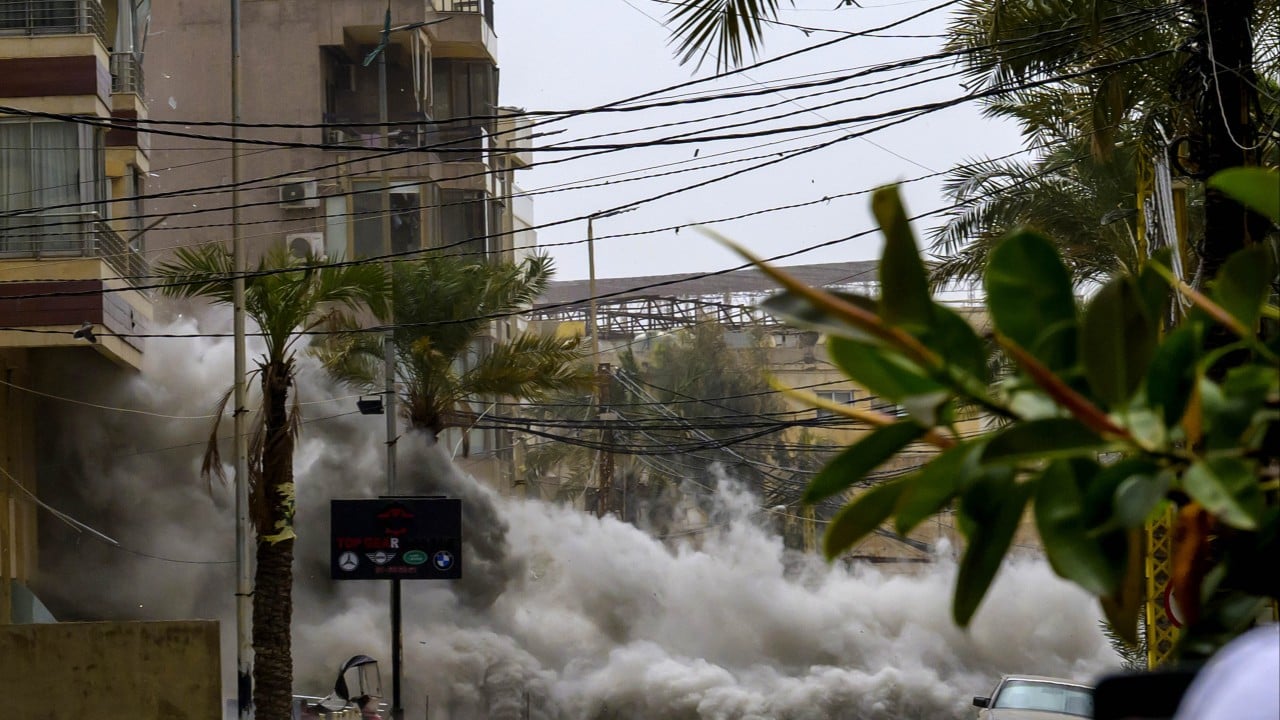
The Night Caracas Went Dark
You don't pull off a mission like Operation Absolute Resolve with just "good luck." It requires a level of technical dominance that frankly feels like science fiction. While the media focused on the 150 aircraft involved—F-22s, B-1B Lancers, and the iconic MH-47G Chinooks—the real story is what happened to the electricity.
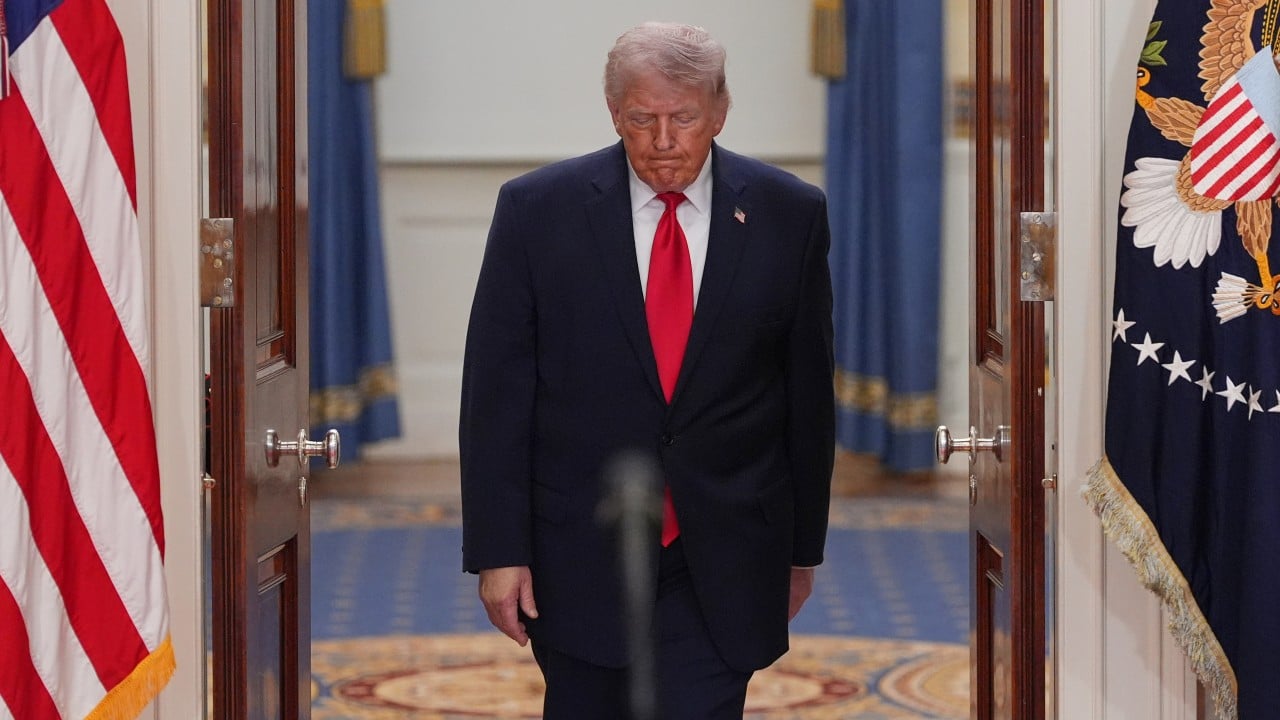
When Trump said the U.S. turned off "almost all of the lights" in Caracas, he wasn't speaking metaphorically.
Reports indicate the use of what the President later called a "discombobulator." While that sounds like something out of a comic book, the results were very real. Russian-made S-300 and S-400 missile batteries, which were supposed to make Caracas an "impregnable fortress," simply didn't turn on. Buttons were pressed, and nothing happened. That's the difference between a regional power and a superpower. You don't just outgun the enemy; you make their guns irrelevant before the first boot hits the ground.
Why the Timing Mattered
January 3 wasn't a random date. It was exactly 36 years to the day since the surrender of Manuel Noriega in Panama. The symbolism wasn't lost on anyone in the State Department. By choosing this anniversary, the administration sent a blunt message to every autocrat currently holding American hostages or messing with U.S. interests: the clock is ticking.
Think about the sheer brass it takes to greenlight this. No congressional approval. No "by your leave" to the UN. Just a direct order at 11:46 PM on a Friday. If this had failed, it would have been Jimmy Carter’s "Desert One" on steroids. It would've ended a presidency. But it didn't fail. Delta Force operators, backed by the FBI’s Hostage Rescue Team, were in and out of the compound while the Venezuelan military was still trying to figure out why their radios weren't working.
The Myth of Global Interference
For years, we've heard that China and Russia would never let this happen. We were told that Venezuela was their "unsinkable aircraft carrier" in the Western Hemisphere.
Where were they?
When the "discombobulator" hit the grid and the F-35s cleared the airspace, Moscow and Beijing were silent. This is the hard truth that many pundits hate to admit: when the U.S. decides to move with "Absolute Resolve," the cost of intervention for other powers becomes too high. They'll sell Maduro the missiles, but they won't die for him.
A New Era of Peace Through Strength
The critics are already howling about "legal authority" and "sovereignty." They’re missing the forest for the trees. Since this operation, the Trump administration has already secured the release of over 100 detained Americans.
Why? Because the leverage changed.
Before Caracas, "wrongful detention" was a low-risk game for rogue states. They’d grab an American, wait for a billion-dollar ransom, and repeat. Now, they have to wonder if a Chinook is going to hover over their roof at 2:00 AM. Iran was quickly designated as a State Sponsor of Wrongful Detention following the mission. You can bet the leadership in Tehran is looking at their own power grid a lot more nervously today.
What Happens to the Oil
Let’s talk about the elephant in the room: the oil. The U.S. didn't just grab a dictator; it grabbed the keys to the world’s largest proven oil reserves.
Trump hasn't been shy about the plan. He wants to "fix" the infrastructure and start selling. For the average person, this isn't about "imperialism"—it's about the price at the pump. If the U.S. successfully stabilizes the Venezuelan energy sector, the global market shifts overnight. We're looking at a future where energy independence isn't just a campaign slogan; it's a structural reality enforced by the 160th Special Operations Aviation Regiment.
The Risks That Remain
It’s not all sunshine and cheap gas. The power vacuum in Caracas is real. While Delcy Rodriguez claims she’s the interim president, the High Court’s word doesn't mean much when U.S. forces are still operating on the ground.
The administration says we’ll "run the country" until a transition happens. That's a massive commitment. We've seen how "temporary" transitions turned into decade-long quagmires in the past. The difference this time seems to be the lack of an "occupation" mindset. There are no plans for nation-building or teaching local politicians about the nuances of parliamentary procedure. It’s about extraction, stabilization, and resources.
Next Steps for the Region
If you're watching this unfold, don't look at Venezuela in isolation. Look at the map.
- Greenland: Trump is already renewing calls for a takeover there, citing national security.
- Nigeria: U.S. Special Forces have quietly landed to "augment" counterterrorism.
- Cuba: The administration has made it clear that the "communist government is in a lot of trouble."
The Caracas mission was a proof of concept. It showed that the U.S. can execute high-stakes regime change with surgical precision and zero American fatalities.
If you're a business leader or an investor, the takeaway is simple: the Western Hemisphere is being forcibly integrated back into the U.S. sphere of influence. The era of "strategic patience" is dead. If you have interests in these regions, you need to align with the new reality fast. Watch the Department of State's new "Retribution" designations. They’re the new weather vane for where the next "audacious mission" might land. Keep your eyes on the U.N. meeting on Monday—not because they'll stop anything, but because it'll show exactly who is still willing to stand in the way of a resurgent American hegemony. Hint: the list is getting shorter by the hour.