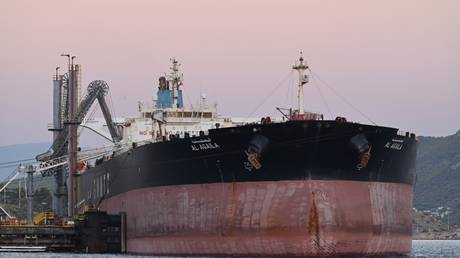
The standoff between Washington and Tehran isn't moving toward a clean breakthrough or a quick knockout. Right now, it feels stuck in a tense waiting game.
President Donald Trump has signaled he isn't rushing a major decision until after the new year, even as talks mediated by Qatar continue and clashes around the Strait of Hormuz keep testing everyone's nerves. That leaves a massive strategic question hanging over the region. What happens if diplomacy stalls again after January 1?
In short, Trump's practical military options boil down to three paths: sustaining the naval blockade and coercive pressure, launching limited strikes on military or nuclear infrastructure, or letting Israel push a wider offensive. None of them come cheap, and honestly, every choice carries sharp blowback.
Why This Stalemate Feels So Hard to Break
Both sides are pulling in opposite directions while claiming leverage they don't fully control. After months of military confrontation earlier in the year, a U.S. naval blockade of Iranian ports collided with Iran's choke points and restrictions around the Strait of Hormuz. Mediation in Doha and earlier rounds in Islamabad showed how deep the distrust runs.
Tehran has pointed to a sweeping set of demands—often framed around seven conditions covering sanctions relief, frozen assets, ending the blockade, regional fronts, and guarantees against future attacks—while Washington insists on curbing nuclear and military threats and keeping maritime access open. Analysts at the Center for Strategic and International Studies (CSIS) note that each side's core demands collide directly with the other's red lines, turning routine friction into a high-stakes test of endurance.
When you look closely at what's happening on the water and in the air, the stalemate isn't a quiet pause. It's a slow grind where a single miscalculation—a drone downing, a tanker hit, or an overzealous strike—can blow up weeks of quiet diplomacy.
Trump's Real Military Options After the Holidays
Military planners don't get clean choices in a crisis like this. They get trade-offs, and some of those trade-offs hurt allies just as much as adversaries.
1. Double Down on Coercive Pressure and the Blockade
The most cautious military route is keeping the squeeze on without opening a massive new air war. That means maintaining the naval blockade on Iranian ports, rotating carrier strike groups and aerial refuelers through the theater, and pairing force posture with backchannel negotiations.
According to CSIS analysis, this coercive diplomacy approach helps keep Gulf Arab states from getting dragged straight into full-scale war, since many of those governments worry about regional blowback and economic shockwaves. Yet it's fragile. Iran has already probed maritime restrictions and threatened shipping and infrastructure, while more aggressive regional partners may push for harder action.
2. Run Limited Strikes on Air Defenses or Nuclear Sites
Another option is a targeted, limited strike campaign aimed at degrading Iranian air defenses, coastal radars, or specific nuclear-related nodes without committing to a sprawling ground or multi-week war. Long-range precision aircraft, electronic warfare, cyber tools, and joint coordination give Washington the ability to hit hard and pull back.
Here's the catch. Limited strikes are meant to shift Tehran's bargaining math, not solve everything overnight. If Iran retaliates widely against shipping, regional bases, or neighboring states, the payoff of a narrow strike shrinks fast. Worse, hitting nuclear sites can harden a regime's resolve to rebuild behind closed doors.
3. Back or Align With a More Aggressive Israeli Campaign
A third path isn't a standalone U.S. plan so much as a dynamic Washington has to manage. Israeli officials have pressed concerns over Iran's military and weapons capabilities and advocated for tougher action, creating friction when Washington prefers measured leverage or talks.
Letting an ally's more aggressive campaign set the pace might put extra military pressure on Tehran. It also risks pulling U.S. forces into wider retaliation and complicating diplomatic channels that mediators like Qatar are trying to keep alive.
What Most People Get Wrong About Military Force Here
A lot of commentary treats U.S. firepower like a light switch that can force a quick surrender. That's a mistake in a conflict shaped by asymmetric geography, regional proxies, and domestic politics on all sides.
First, air and naval power can destroy targets and squeeze ports, but it can't magically erase political mistrust or settle disputes over sanctions that involve Congress, allies, and international mechanisms. Second, closing or restricting a vital waterway like the Strait of Hormuz creates immediate global ripple effects—even when broader oil market dynamics fluctuate—which puts pressure back on Washington and its partners.
Third, don't assume public rhetoric tells the whole story. Leaders talk tough for domestic audiences and negotiating leverage. Watching actual force movements, tanker transit patterns, and mediator statements tells you far more than speeches alone.
How to Track What Happens Next Without Getting Whipped Around
If you follow this crisis for work, investing, or general awareness, you don't need to react to every rumor on social media. Focus on concrete signals that show whether the US Iran stalemate is cracking or hardening.
- Watch the post-January 1 calendar and mediator updates: Pay attention to whether talks mediated by Qatar produce concrete steps on maritime access, frozen funds, or ceasefires—or stall out completely once the holiday window passes.
- Track force posture and maritime incidents: Look for shifts in carrier deployments, refueling aircraft, naval blockade enforcement, and incidents near the Strait of Hormuz or Gulf shipping lanes.
- Separate intelligence claims from confirmed escalation: When reports surface about weapons programs or high-level intelligence visits, check official responses and independent reporting before assuming immediate strikes are locked in.
- Mind energy and shipping exposure: If you manage supply chains or energy-sensitive positions, stress-test scenarios involving prolonged Hormuz disruptions or sudden spikes in regional risk premiums.