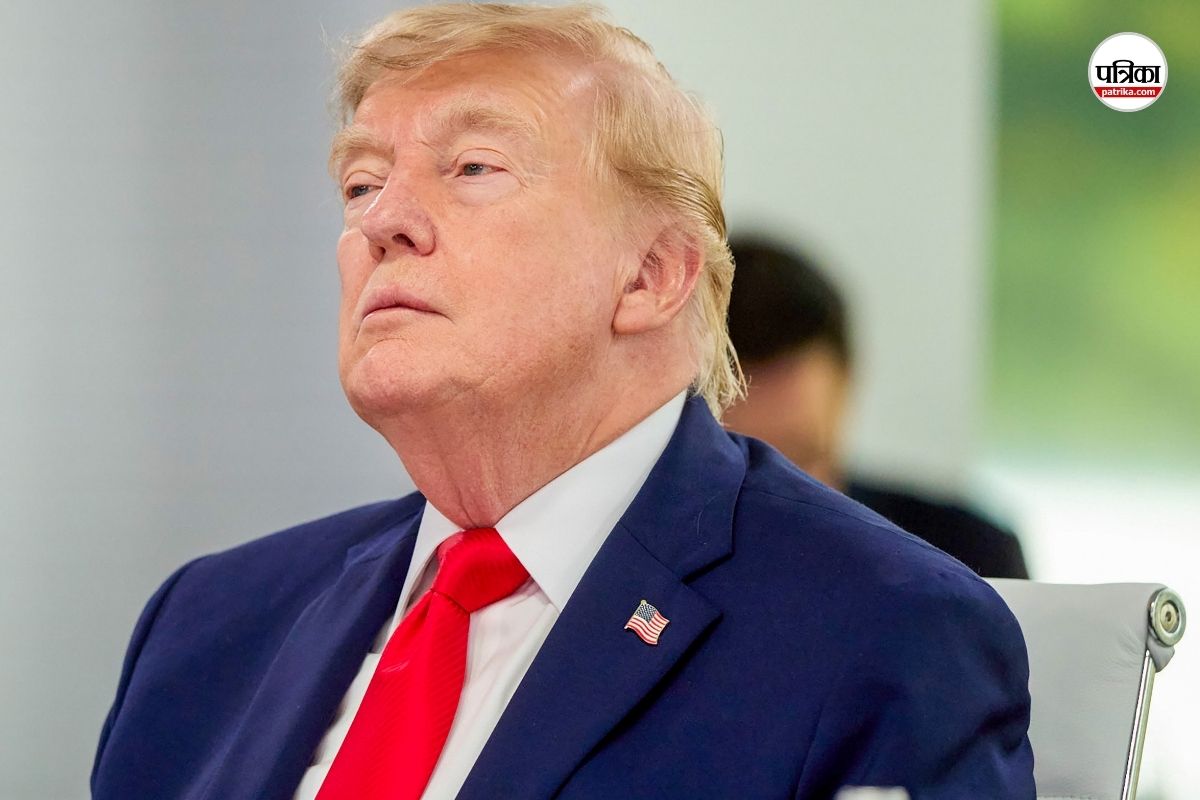
The ink on the Islamabad Memorandum wasn't even dry before the drones started flying again. If you thought the June 17 agreement signed by Donald Trump and Iranian President Masoud Pezeshkian meant actual peace, you haven't been paying attention to the reality of the 2026 Iran war.
Right now, the Middle East is staring down the barrel of total re-escalation. Over the weekend, US Central Command (CENTCOM) launched a massive second wave of retaliatory airstrikes, hitting 10 Iranian military targets. The reason? Tehran repeatedly violated the brand-new ceasefire by sending one-way attack drones after commercial tankers like the M/T Kiku and the Ever Lovely in the critical Strait of Hormuz.
Trump didn't mince words on Truth Social. He openly warned that if the US is forced to resume full-scale hostilities to "militarily complete the job," the Islamic Republic of Iran will simply "no longer exist."
The Illusion of the 60 Day Pause
Let's look at what's actually happening behind the diplomatic curtain. The Islamabad Memorandum wasn't a final peace treaty. It was a tactical 60-day intermission designed to stop a conflict that erupted back on February 28, when a devastating US-Israeli opening salvo took out Supreme Leader Ali Khamenei and tore through Iran's air defenses.
The core deal of the interim agreement was simple. Iran allows safe, toll-free passage through the Strait of Hormuz. In exchange, the US lifts its strangling naval blockade on Iranian ports.
It sounds great on paper, but it ignores the fundamental breakdown of control inside Iran. While President Pezeshkian signed the deal, the Islamic Revolutionary Guard Corps (IRGC) and hawkish domestic lawmakers have zero intention of giving up their leverage. Immediately after the latest US strikes, Iranian lawmaker Ebrahim Rezaei publicly declared that other nations must "submit to Iran's rules" in the strait.
This deep internal divide inside Tehran means any agreement signed by the civilian government is basically worthless. The IRGC operates on its own timeline, using drone strikes to prove they still control the world's most vital energy choke point.
Tit for Tat Escalation in the Gulf
This isn't just a war of words. The military actions over the last 48 hours show exactly how fragile this truce is.
- The Provocation: Iran launched drone strikes on commercial shipping vessels transiting the Gulf, directly breaking Clause 1 of the new memorandum.
- The US Response: U.S. Navy and Air Force fighter jets struck coastal radar sites, air defense installations, and drone storage facilities near the Strait of Hormuz.
- The Retaliation: The IRGC fired back, targeting US regional hubs including the Ali al-Salem airbase in Kuwait and the Fifth Fleet naval base in Bahrain.
This direct targeting of neighboring Arab states like Kuwait and Bahrain marks a dangerous shift. Bahrain has already accused Tehran of actively sabotaging regional peace efforts. Vice President JD Vance backed up the administration's aggressive posture, warning flatly that "violence will be met with violence."
The US military has already spent an estimated $40 billion on Operation Epic Fury since February. With Trump requesting another $87 billion from Congress, neither side can afford a prolonged war of attrition—yet neither side knows how to back down without looking weak.
What the Ceasefire Violations Mean for Regional Security
The underlying issues that caused the 2026 war haven't been resolved. The US and Iran are still fundamentally deadlocked over Iran's remaining stockpile of highly enriched uranium and the long-term security of international shipping lanes.
The strategy from the Trump administration isn't about long-term nation-building. It's a return to maximum pressure, backed by immediate, devastating kinetic force. By threatening the literal existence of the Iranian regime, Trump is betting that the IRGC will back down to protect its own survival.
But that strategy assumes the regime acts rationally. With Mojtaba Khamenei taking a highly aggressive stance following his father's death earlier this year, the current leadership in Tehran appears willing to risk total economic collapse to maintain its regional influence.
Despite the heavy weekend clashes, both sides reportedly agreed late Sunday to another temporary halt in attacks before scheduled proxy talks begin in Doha on June 30. But don't expect a breakthrough. This ceasefire isn't the start of a stable peace—it's just the setup for the next explosion.
To monitor how this affects global markets and regional stability, keep a close eye on the daily transit numbers of oil tankers passing through the Strait of Hormuz over the next 72 hours. If shipping firms continue to reroute around Africa despite the Doha talks, it means the private sector has already decided the ceasefire is dead.