The global energy market is currently holding its breath. If you've looked at gas prices lately, you know why. The Strait of Hormuz, a narrow stretch of water that carries 20% of the world's oil, is effectively a war zone. On March 17, 2026, the US military shifted from defensive posturing to heavy-duty destruction. US Central Command (CENTCOM) confirmed it dropped multiple 5,000-pound "deep penetrator" munitions on Iranian missile sites.
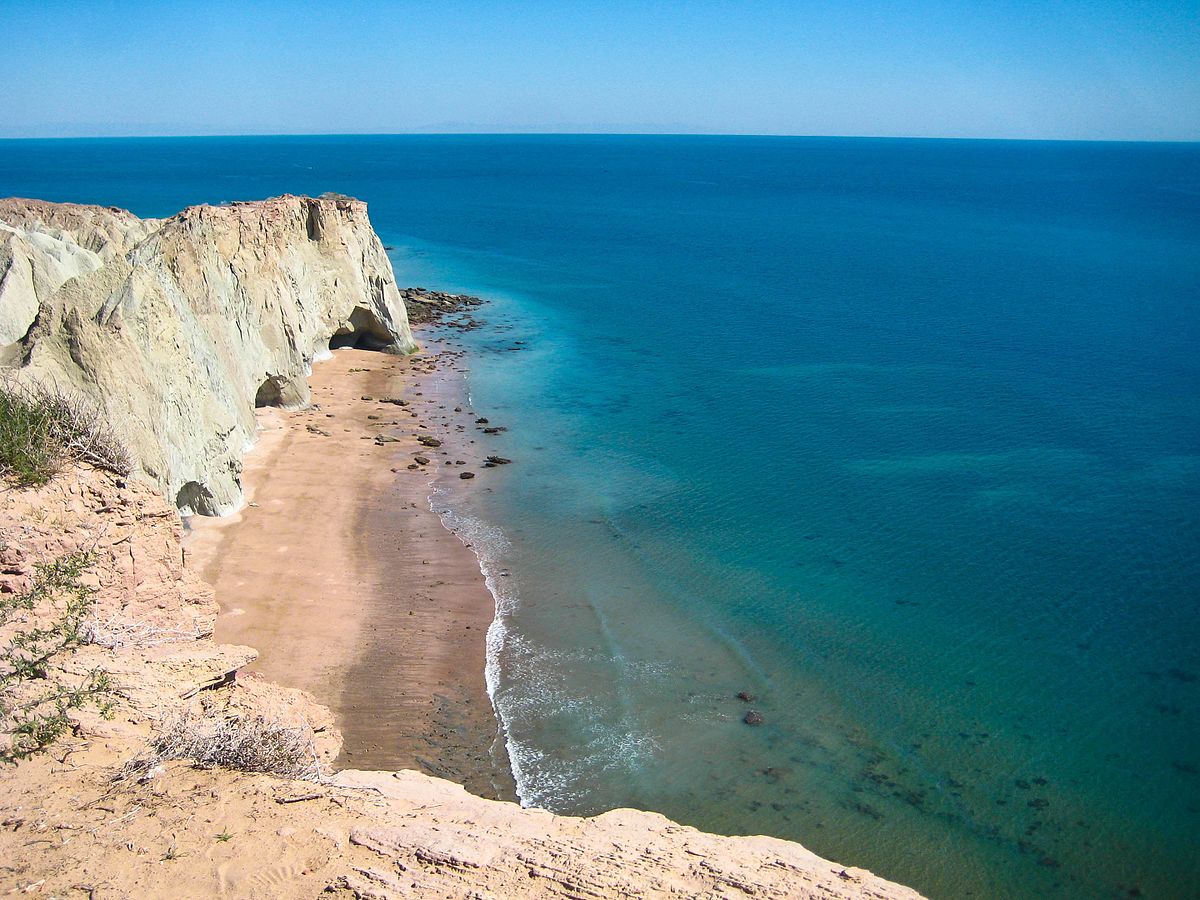
This wasn't just a "warning shot." It was a calculated move to break a chokehold that has paralyzed international shipping since late February. When Iran's Islamic Revolutionary Guard Corps (IRGC) warned all non-Iranian tankers to stay out of the strait, they backed that threat with a massive network of anti-ship cruise missiles. Many of these aren't just sitting on trucks in the open. They’re buried under layers of reinforced concrete and rock along the coastline. That's why the US is reaching for the heavy stuff.
The power behind deep penetrator munitions
You might hear these called "bunker busters." In technical circles, we're talking about the GBU-72 Advanced 5K Penetrator. This isn't your grandfather’s gravity bomb. It's a 5,000-pound beast designed to survive the initial impact with the ground without exploding, tunnel deep into the earth, and then detonate.
Standard explosives go "pop" on the surface. They’re great for clearing a parking lot, but they’re useless against a missile battery tucked 100 feet inside a mountain. A deep penetrator works differently. It uses a high-strength steel alloy casing that can punch through 150 feet of earth or 20 feet of reinforced concrete. By exploding underground, the bomb creates a massive seismic shockwave. Even if the explosion doesn't hit the missile directly, the pressure wave collapses the tunnels and crushes the electronics.
The US military has a bigger version—the 30,000-pound Massive Ordnance Penetrator (MOP)—but that requires a B-2 stealth bomber to carry it. The 5,000-pound GBU-72 is more versatile. It can be dropped from F-15E Strike Eagles or B-1B Lancers, which means the US can run these missions more frequently and from more locations.
Why the Strait of Hormuz is the world's biggest problem right now
If you think this is just another Middle East skirmish, look at the map. The strait is only 21 miles wide at its narrowest point. It’s the only way out for oil from Saudi Arabia, Kuwait, the UAE, and Iraq. Since the joint US-Israeli strikes on February 28, 2026—which reportedly targeted Iran's nuclear infrastructure and leadership—Iran has used the strait as its primary lever.
Iran’s strategy is called "area denial." They don't need a massive navy to win. They just need to make the water too dangerous for a tanker to enter. Between anti-ship missiles hidden in coastal caves and thousands of naval mines, they’ve successfully scared off the world’s shipping fleets. Only 15 vessels transited the waterway over a recent three-day period. Most of those were taking "unusual" routes to avoid being targeted.
The US strikes on March 17 were designed to "blind and blunt" this network. By taking out the hardened missile sites, the US is trying to create a safe corridor. But missiles are only half the problem.
The silent threat of naval mines
Even if every missile battery is turned to dust, the water is still full of "influence mines." These are nasty pieces of tech that don't need a ship to hit them. They listen for the sound of a tanker’s engine or feel the change in water pressure.
President Trump has been vocal about wanting NATO and Asian allies like Japan and South Korea to step up. His argument is simple: these countries get the oil, so they should help clear the path. So far, the response has been cold. The UK and France have offered drone technology—specifically the SWEEP system—which mimics a tanker's signature to trigger mines safely. But they aren't sending their main fleets yet. They’re terrified of a wider war.
What this means for your wallet and global stability
Honestly, we’re in uncharted territory. The US is currently operating the largest naval buildup in the region since 2003. We have two carrier strike groups—the USS Abraham Lincoln and the USS Gerald R. Ford—parked nearby.
The immediate goal is to reopen the strait to lower global energy prices. China gets 90% of its oil through this route. If the US successfully clears the missiles and mines, oil prices might stabilize. If Iran manages to sink a major US warship or a massive tanker using their remaining "shadow" assets, expect gas prices to double overnight.
The use of 5,000-pound bunker busters tells us the US isn't interested in a long, drawn-out siege. They're going for the throat of Iran’s coastal defenses.
Actionable steps to track the situation
Don't just wait for the evening news to tell you what's happening. If you want to know if the US is winning the "Battle for the Strait," watch these three indicators:
- Tanker Transit Counts: Monitor services like MarineTraffic. If you see the number of tankers moving through the Strait of Hormuz jump from 5 a day back to 20 or 30, the US strikes are working.
- Brent Crude Volatility: If the price of oil stays flat despite the strikes, the market is betting on a long conflict. If it drops, the market believes the "bunker buster" strategy is effective.
- Allied Participation: Watch for "mine-hunting drones" from the UK or France. If they actually deploy, it means a coordinated effort to physically clear the water has begun.
The US has made its move. Now we wait to see if Iran has a "Plan B" buried even deeper than the GBU-72 can reach.