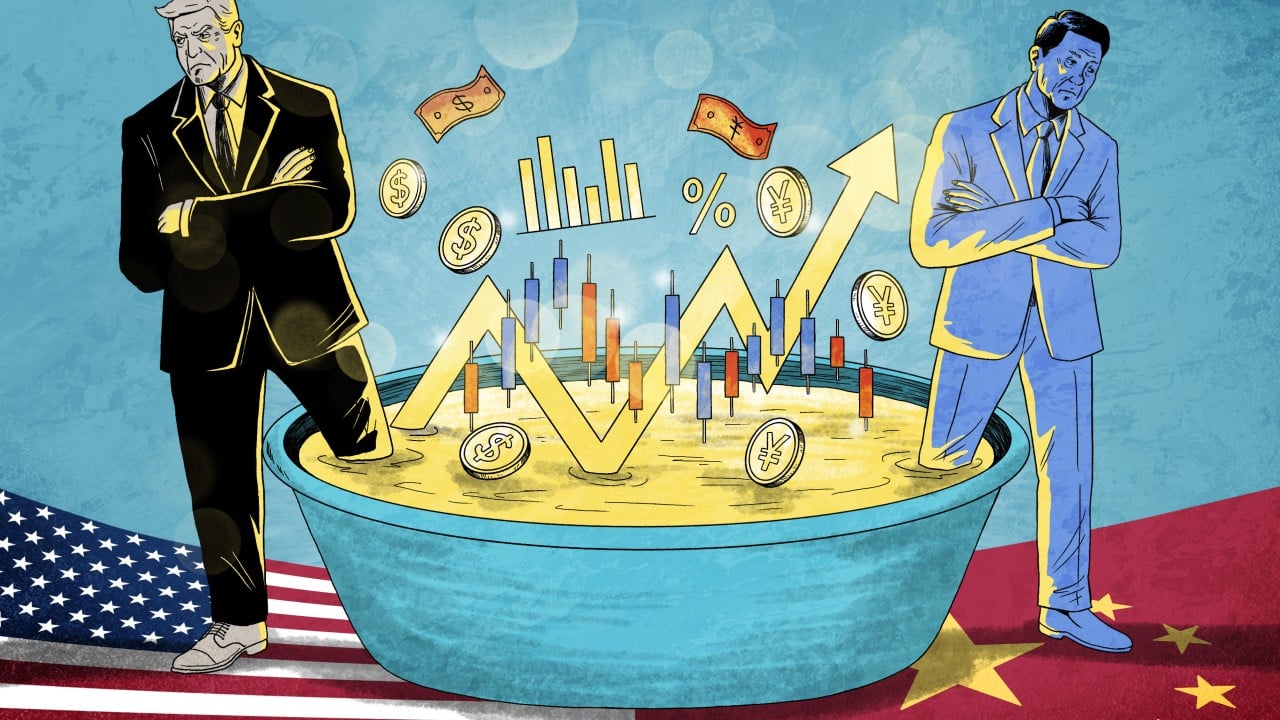
Politicians love the word decoupling. It sounds clean, decisive, and tough. On paper, it looks like it's actually happening. Direct imports from China to the US dropped by nearly 30% last year, hitting lows we haven't seen in two decades. Washington is slapping down fresh tariffs, and Beijing is tightening its grip on critical minerals.
But if you look at the actual plumbing of global trade, you find a completely different story. The world's two largest economies aren't going through a clean break. They're playing an expensive game of hide-and-seek.
The Great Rerouting Trick
When you tax a direct route, trade just finds a detour. Recent data from economic consultancy Prometeia shows that while direct Chinese exports to America plummeted, US imports from Southeast Asia and India surged by 30%. At the same exact time, China’s exports to those very same Asian neighbors shot up.
This isn't decoupling. It's assembly line relocation.
A factory in Shenzhen ships components to Vietnam or Thailand. Workers there package, assemble, or simply stamp a new origin label on the goods before sending them across the Pacific. The Federal Reserve Bank of New York tracked this exact shift in the electronics sector. The US deficit with China in computer and networking hardware dropped by tens of billions of dollars, while the deficit with ASEAN nations climbed by almost the identical amount.
Your laptop might say "Made in Vietnam," but the economic value-added, the intellectual property, and the profits still flow right back to Chinese industrial networks. We haven't broken the dependency. We've just added a middleman and made the shipping lanes longer and pricier.
Weapons of Mass Interdependence
A total economic separation would require a level of sacrifice neither superpower can stomach. The leverage points run deep, and both sides know exactly how to pull the strings without breaking the guitar.
Think about what happens if either side actually pushes the panic button.
- The US Financial and Tech Monopoly: Washington controls the dollar-based global financial system and holds the keys to advanced semiconductor designs. It can freeze assets and cut off access to high-end AI chips.
- The Chinese Manufacturing Monolith: Beijing holds the monopoly on the raw ingredients for the future. According to the Center for Strategic and International Studies, China controls roughly 90% of the world's rare-earth separation and processing and 93% of magnet manufacturing.
You can't build defense systems, electric vehicle motors, wind turbines, or data centers without these minerals. If China chokes off the rare-earth supply chain, Western tech manufacturing grinds to a halt. If the US locks down financial clearing systems, Chinese firms can't get paid.
It’s economic Mutually Assured Destruction. The threat of total chaos forces both sides back to the negotiating table, time and again. It's why despite all the aggressive rhetoric, trade officials from both nations still meet quietly in cities like Paris and Geneva to hammer out temporary truces and manage the friction.
What Corporate Strategists Must Do Right Now
Waiting for the geopolitical weather to clear up is a losing strategy. The friction is permanent, even if total decoupling is a myth. If you operate a business reliant on trans-Pacific supply chains, stop looking at headline tariff numbers and focus on structural resilience.
First, map your supply chain down to the tier-three and tier-four suppliers. If your Mexican or Vietnamese vendor buys 80% of their raw materials from a Chinese state-owned enterprise, you aren't diversified. You're exposed. You need to demand transparency from your suppliers and actively seek out vendors with localized raw material access.
Second, accept that the era of hyper-efficient, just-in-time logistics is dead. Build structural redundancy into your inventory. Holding extra buffer stock of critical components is no longer an unnecessary expense; it's the cost of doing business in a fractured world.
Finally, build pricing flexibility into your contracts. Tariffs can change with a single executive order or a court ruling. Ensure your supply agreements allow for cost-sharing or quick pivots when duties shift overnight. The goal isn't to find a magic tariff-free haven. It's to build an operation agile enough to absorb the next regulatory shock without breaking.