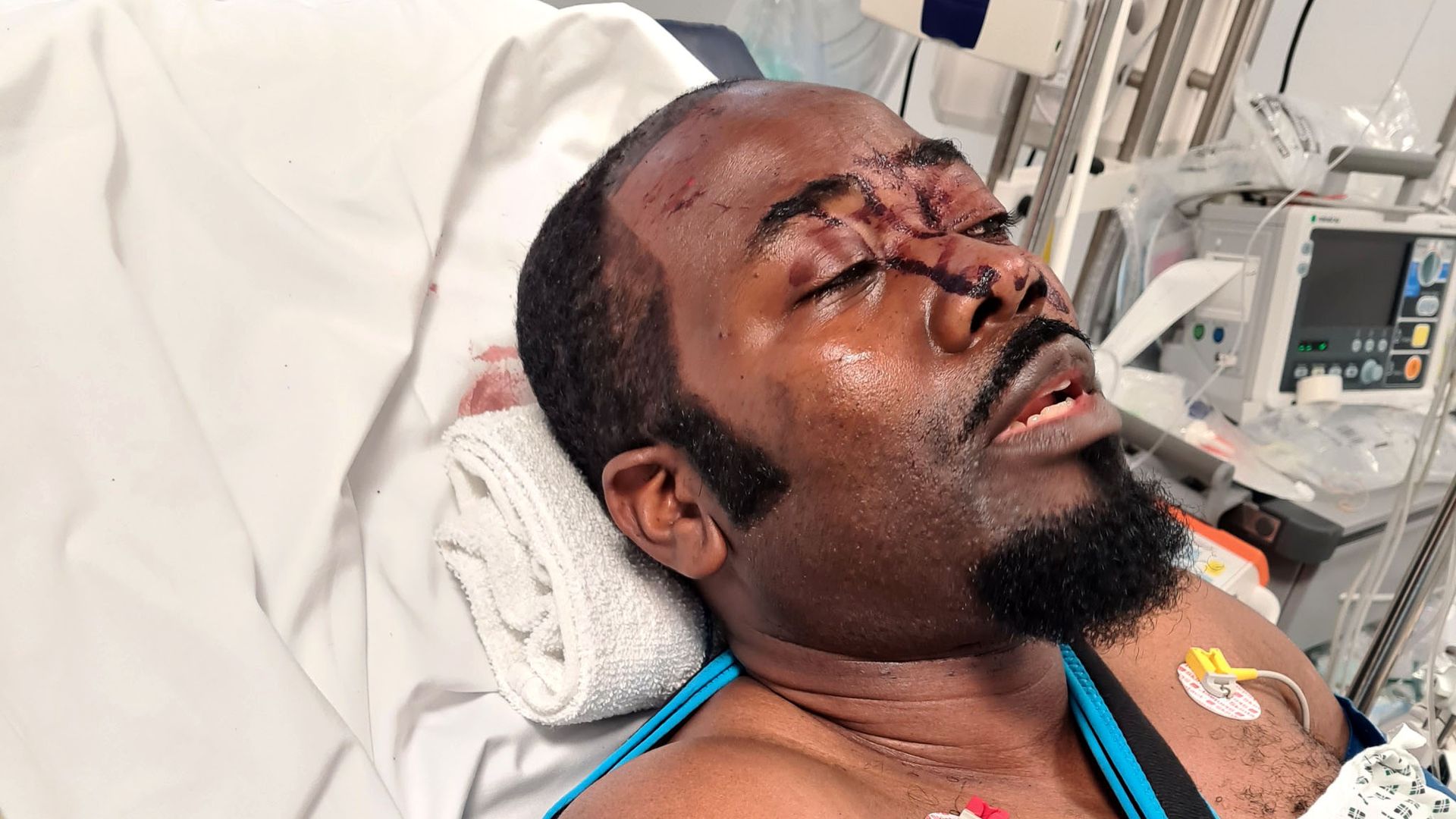
When a vehicle rammed into the entrance of the Heaton Park Hebrew Congregation in Crumpsall on October 2, 2025, during Yom Kippur, it shattered far more than physical structures. For Bernard Agyemang, a 44-year-old security guard standing duty that day, the aftermath wasn't just a news cycle—it was an immediate, brutal alteration of his entire life.
He suffered broken bones, a severe leg injury, a fractured collarbone, and a suspected brain injury when Jihad al-Shamie drove a car into worshippers before launching a knife attack. Today, Agyemang walks with a crutch, managing daily pain and the cognitive fallout of that terrible morning. Yet, like so many survivors of extremisms, his hardest battles aren't physical. The psychological toll—PTSD, vivid flashbacks, and an overwhelming dread for his family's safety—is where the real struggle lives.
The Weight of Duty on the Front Line of Community Safety
Security personnel at religious centers often occupy a strange, overlooked space. They aren't armed officers, yet they are expected to stand as the primary shield against violent extremism. When al-Shamie launched his violent rampage, Agyemang didn't have the luxury of distance. He took the direct force of an attack that killed two worshippers, Melvin Cravitz and Adrian Daulby.
The physical rehabilitation process after a trauma of this scale is grueling, involving extensive physical therapy and legal battles to secure long-term care through serious injury specialists. But the invisible wounds lingering after the physical recovery often carry the heaviest weight.
Living with post-traumatic stress means simple routines get disrupted. A walk down the street or a sudden loud noise can trigger severe anxiety. For survivors like Agyemang, the feeling of safety in a place that once felt completely secure vanishes instantly.
Systemic Failures and the Real-World Impact
The broader context surrounding the Manchester synagogue attack adds another layer of gravity to the story. Recent court revelations exposed that al-Shamie and an accomplice, Mohammad Bashir, had spent months planning targeted terror events, including reconnaissance trips against military targets.
Even more troubling were admissions from local law enforcement regarding missed signals. Police had previously seized al-Shamie’s mobile devices during an unrelated arrest prior to the attack but failed to examine them for extremist material before releasing him on bail.
These oversights don't just exist as headlines or political talking points. They directly translate into real-world tragedy for the people on the ground. Every missed sign, every delayed investigation leaves ordinary people—worshippers, security personnel, and local residents—vulnerable to severe consequences.
Key Factors in Long-Term Post-Traumatic Recovery
- Access to Early Psychological Intervention: Securing immediate, specialised trauma therapy is vital for preventing acute stress from hardening into chronic, debilitating PTSD.
- Community and Family Support Systems: Recovery relies heavily on strong family connections and community support networks that keep survivors anchored during dark moments.
- Dedicated Rehabilitation Pathways: Specialized legal and medical help ensures victims get long-term access to physical therapies, mobility aids, and home care modifications.
What Needs to Change to Protect Communities and Frontline Guards
If there is anything to learn from the tragic events in Crumpsall, it's that community defense cannot simply rely on individuals standing at a gate with basic equipment. Protection requires a complete overhaul of how intelligence is acted upon and how frontline guards are supported.
First, intelligence sharing and digital forensic auditing must improve drastically. When law enforcement seizes devices from individuals suspected of serious offences, checks for radicalization or extremist content must be prioritized immediately. Leaving devices unexamined while suspects walk out on bail is a flaw in the safety net that cannot be repeated.
Second, we need better, long-term funding structures for victims of violent incidents. Guards like Agyemang put their bodies on the line to safeguard others. They shouldn't have to fight protracted legal battles to get basic access to specialist therapies, mobility equipment, or psychiatric assistance.
To support communities and the people tasked with keeping them safe, push local leaders for clearer accountability on police handling of extremist threats, donate directly to local community security trusts, and advocate for guaranteed legal and medical funding for civilian first responders injured on the job.
Terror attack on Manchester synagogue leaves two people dead
This video provides important background footage and immediate reporting on the event to contextualize the severity of the attack and its impact on the local community.