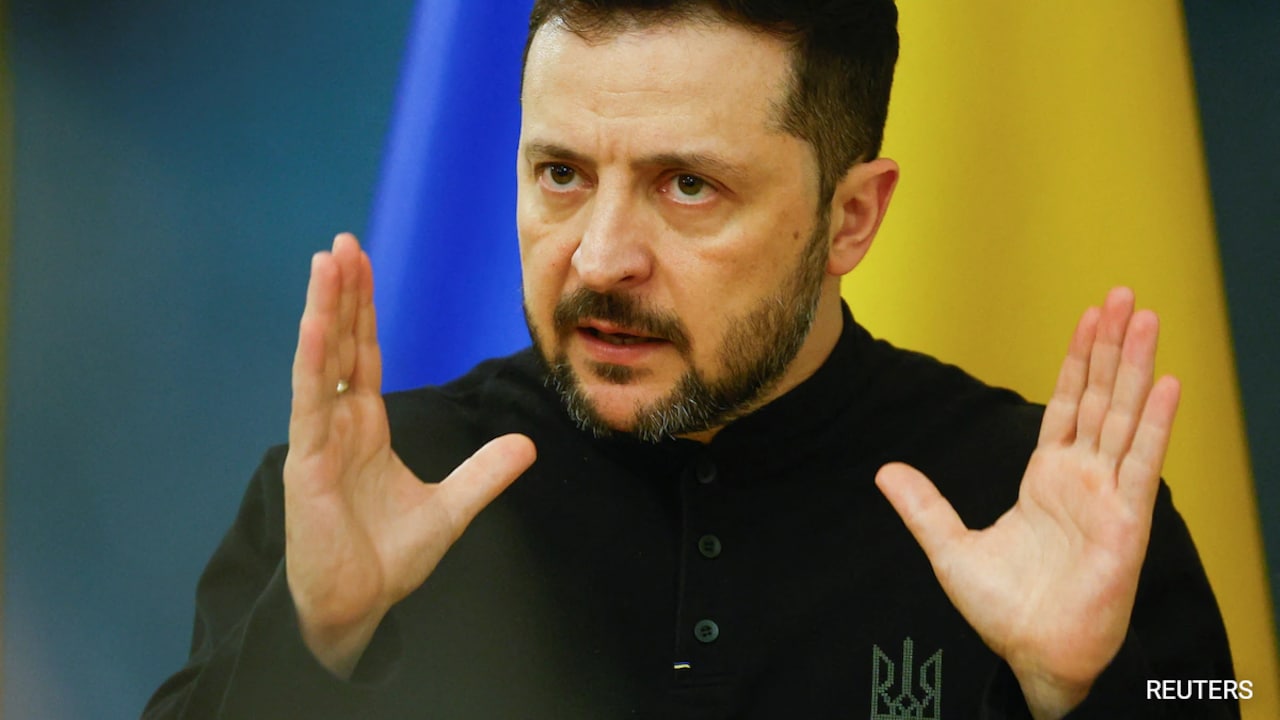
Wartime accountability is messy, brutal, and entirely necessary. When Volodymyr Zelenskyy signs a decree firing a high-ranking aide right as anti-corruption detectives raid homes, the political shockwaves ripple far beyond Kyiv. You can't fight a foreign invasion while rotting from the inside out, and everyone from frontline soldiers to international donors knows it.
The recent dismissal of deputy presidential office head Iryna Mudra following anti-graft raids highlights an uncomfortable truth. Corruption scandals keep hitting the upper echelons of Ukraine's government, forcing swift damage control. Let's break down what's actually happening behind closed doors, why these purges keep occurring, and what they mean for the country's survival.
The Real Cost of Wartime Graft
Money talks, but during an existential war, stolen funds scream. Investigations by agencies like the National Anti-Corruption Bureau of Ukraine (NABU) have exposed intricate schemes involving millions of dollars. In many cases, dirty money gets funneled through shell companies to post bail for officials caught in earlier energy and defense sector probes.
When citizens are enduring daily missile strikes and power outages, discovering that high-ranking state employees are skimming cash sparks absolute fury. It's not just a legal infraction; it's a direct threat to national defense. Every dollar diverted into a corrupt network is a resource stolen from the front lines.
Zelenskyy built his entire political brand on rooting out systemic graft. Yet, keeping a clean house while managing an all-out war is nearly impossible. Allies inside the administration frequently turn out to be liabilities. When investigators close in, the president faces a grim choice: protect his inner circle or sacrifice them to save international credibility. He almost always chooses the purge.
Why Western Partners Are Watching Closely
Billions of dollars in military and financial aid don't flow into a vacuum. European Union and United States officials track every single weapon and currency transfer with extreme scrutiny. Brussels has made it crystal clear that structural anti-corruption reforms are non-negotiable prerequisites for EU membership.
Every time a top aide gets ousted or an anti-graft raid hits a government official's home, Western capitals experience mixed reactions. On one hand, they worry about severe administrative instability during a conflict. On the other hand, the active involvement of independent watchdogs like NABU proves that Ukraine's anti-corruption infrastructure actually functions under fire.
You have to look at the big picture. Without independent anti-corruption bodies operating aggressively, foreign support would dry up overnight. Western taxpayers won't fund a black hole of embezzlement. These high-profile firings act as a public relations shield, demonstrating to international partners that impunity isn't tolerated, even at the highest levels.
The Political Backlash and Governance Crisis
Internal friction inside Kyiv isn't limited to police raids. The political landscape is fracturing under the immense pressure of prolonged martial law. Recent high-level dismissals within the defense sector and subsequent public friction with popular figures have exposed deep rifts.
Critics argue that wartime governance has become too centralized, creating insulated bubbles where accountability fails until journalists or investigators blow the whistle. Calls for transitional stability often clash with demands for immediate political reform. Balancing military necessity with democratic transparency is a tightrope walk, and one misstep can trigger massive domestic protests.
Accountability must remain ruthless and transparent if the government wants to retain public trust. Watchdog agencies need uncompromised independence to investigate anyone, regardless of their proximity to the presidential office. For international observers and everyday citizens alike, the measure of leadership isn't whether scandals happen—it's how fast and ruthlessly those responsible get cut loose.