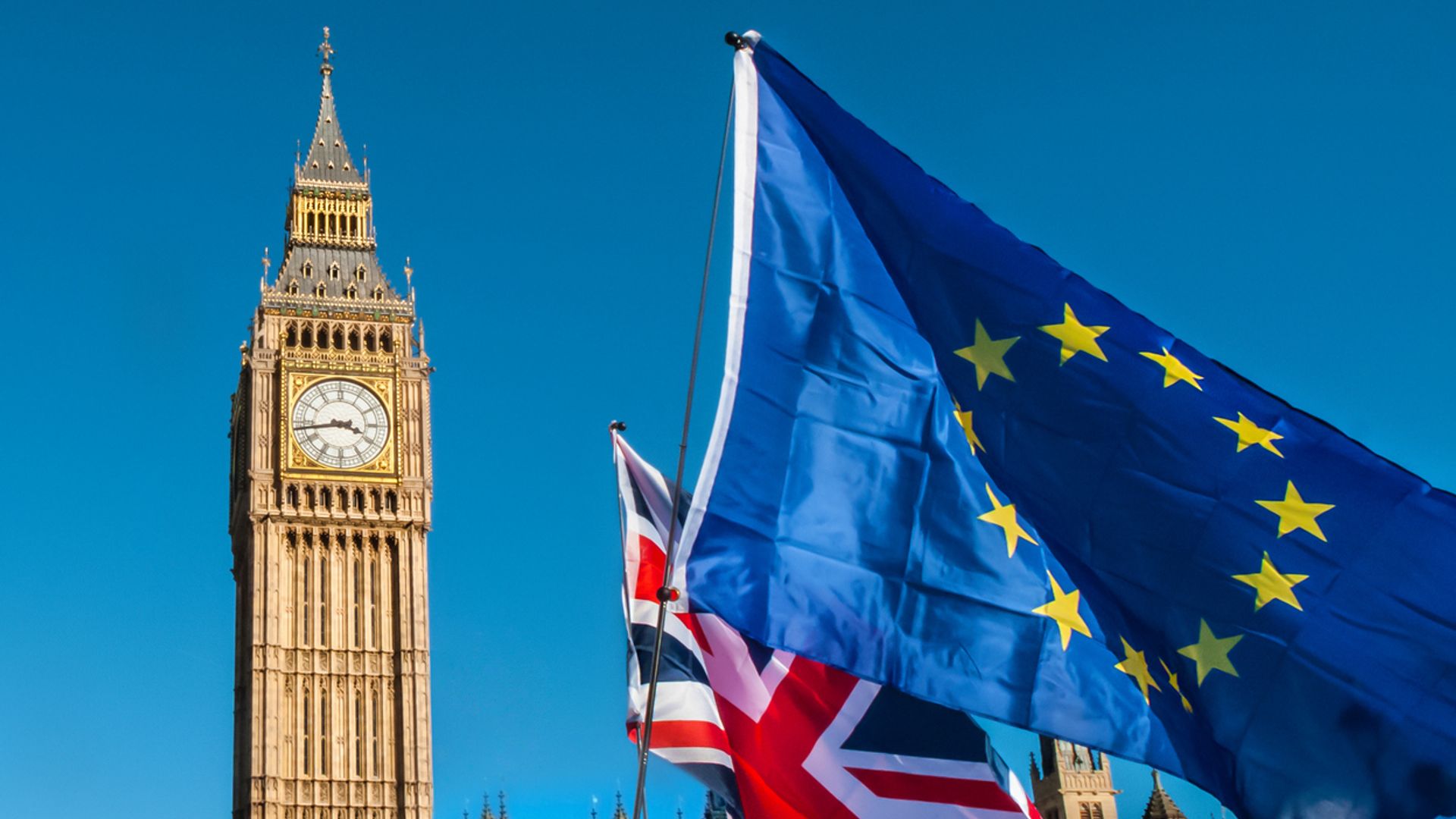
Five years after the Trade and Cooperation Agreement (TCA) took effect, the polite silence from British boardrooms has officially broken. Major UK business groups—including the British Chambers of Commerce (BCC), the Confederation of British Industry (CBI), and the Federation of Small Businesses (FSB)—aren't just asking for minor technical tweaks anymore. They're calling for a fundamental reset in the UK-EU relationship.
It’s about time.
For years, executives bit their tongues to avoid looking political. They absorbed the customs delays, hired extra compliance officers, and swallowed the rising costs of moving goods across the Channel. Now, with stagnant growth and shrinking export volumes, the math simply doesn't work. If you run a mid-sized manufacturing firm in the Midlands or an agri-food exporter in Kent, the current trading arrangement feels less like a free trade deal and more like death by a thousand paperwork cuts.
What the Business Lobby Actually Wants
Let’s clear up a massive misconception right away. Business leaders aren't campaigning to rejoin the European Union or return to the Single Market. They know the political reality in Westminster. Both the Conservative opposition and Keir Starmer’s Labour government have drawn hard red lines around freedom of movement and full regulatory alignment.
Instead, organizations like the BCC and CBI are pushing for pragmatic, structural upgrades to the TCA—which happens to be up for its scheduled five-year review in 2026. Their demands focus on tearing down the non-tariff barriers that currently choke daily commerce.
Here is where the real pressure is building:
- A Veterinary and Sanitary Agreement (SPS): Right now, every truckload of sausages, cheese, or cut flowers moving between Britain and the EU requires expensive Export Health Certificates and physical border checks. A Swiss-style SPS deal would wipe out up to 80% of those checks overnight.
- Mutual Recognition of Conformity Assessments: British manufacturers currently have to pay twice to certify that their products meet safety standards—once for the UKCA mark, and again for the EU’s CE mark. Accepting each other’s testing standards saves millions.
- Youth Mobility and Business Travel Fixes: The post-Brexit rules turned a quick two-day client visit or equipment installation in Frankfurt into a visa nightmare. Business groups want a reciprocal youth mobility scheme and clearer rules for touring artists, engineers, and consultants.
- Linking Emissions Trading Schemes: Without linking the UK and EU carbon markets, British steel and cement exporters face brutal new taxes under the EU’s Carbon Border Adjustment Mechanism (CBAM).
The Hidden Cost of "Frictionless" Trade
When politicians sold the TCA back in late 2020, they boasted about "zero tariffs and zero quotas." Technically, that was true. Practically, it missed the entire point of modern supply chains.
Tariffs aren't the killer anymore. Non-tariff barriers are.
I’ve spoken with logistics directors who watched their transit times from Manchester to Milan double—not because of taxes, but because of customs declarations, rules-of-origin audits, and safety certificates. According to research from the London School of Economics (LSE) Centre for Economic Performance, the introduction of the TCA led to a sharp, persistent drop in the variety of goods UK firms export to the EU. Smaller companies didn't just see lower profit margins. Many stopped exporting to Europe altogether.
Consider how Rules of Origin actually work on the factory floor. To qualify for zero tariffs, a British exporter must prove that a high percentage of their product was made locally. If a UK food processor imports spices from India, mixes them with British ingredients, and ships the final sauce to France, they might suddenly get hit with a tariff anyway. Proving origin requires tracking every single component down to the invoice level. For a multinational corporation with an army of trade lawyers, that’s an annoying overhead cost. For a 40-person business in Yorkshire, it’s a reason to give up on European customers.
Why 2026 Is the Make-or-Break Moment
You might wonder why this sudden surge in vocal lobbying is happening right now. Timing is everything in trade diplomacy.
Under Article 776 of the Trade and Cooperation Agreement, the UK and the EU are required to jointly review the implementation of the deal every five years. That puts 2026 squarely in the crosshairs. While Brussels has repeatedly insisted that this review isn't meant to be a full renegotiation, British business groups see it as their best—and perhaps only—window of opportunity before the end of the decade to force substantive changes onto the agenda.
The geopolitical backdrop has shifted dramatically too. War in Eastern Europe, supply chain fragility, and aggressive industrial subsidies from both Washington and Beijing have forced London and Brussels to rethink their relationship. Security cooperation is already warming up. Trade is the obvious next step, provided politicians have the nerve to take it.
What Brussels Actually Thinks
British businesses often make the mistake of assuming that if London asks nicely, Brussels will happily oblige. That’s not how the European Commission operates.
From the EU’s perspective, the current deal works pretty well for them. The EU enjoys a massive goods trade surplus with the UK. European exporters have adapted to British border controls—especially since the UK delayed implementing its own import checks multiple times before finally rolling out the Border Target Operating Model.
If the UK wants an SPS veterinary deal or smoother conformity assessments, Brussels will demand things in return. Specifically, EU negotiators will insist on dynamic alignment—meaning Britain has to follow new EU food and safety rules as they evolve, without having a vote on making them—alongside oversight by the European Court of Justice (ECJ) on disputes involving EU law. They will also push hard on fishing quotas and youth mobility.
For UK business leaders, accepting ECJ oversight on niche technical standards is a total non-issue. They care about shipping goods profitably, not constitutional theology. For Westminster politicians terrified of tabloid headlines screaming about "Brexit betrayal," it’s radioactive.
How UK Firms Should Prepare Right Now
Waiting around for politicians in London and Brussels to sign a grand new treaty is a terrible business strategy. Even if Starmer’s government secures a veterinary agreement and better business travel rules over the next 18 months, implementation takes time. Customs systems don't update themselves overnight.
If your business trades with Europe—or stopped trading with Europe and wants back in—you need to act on the reality in front of you today while positioning yourself for whatever changes come out of the TCA review.
First, audit your rules-of-origin compliance immediately. Many firms are either overpaying tariffs because they don't bother claiming preference, or they're sitting on a ticking time bomb of back-dated customs penalties because their paperwork wouldn't survive an HMRC audit. Get a trade specialist to review your bill of materials.
Second, stop treating EU compliance as an afterthought. Even if the UK secures mutual recognition on certain product standards, the EU is rolling out aggressive new environmental and digital regulations—from the Digital Product Passport to strict deforestation supply-chain laws. If you want to sell into Germany or the Netherlands, you have to build your product lines to meet Brussels' standards anyway.
Third, feed real numbers to your trade association. Politicians ignore vague complaints about "red tape," but they panic when handed hard data showing lost factory jobs, cancelled capital investments, and exact pound-for-pound compliance costs. Organizations like the BCC, Make UK, and the FSB rely on member case studies to beat down doors in Whitehall. Give them the ammunition they need to fight for the reset your bottom line actually requires.


