The era of hyper-fragmented food delivery is officially over.
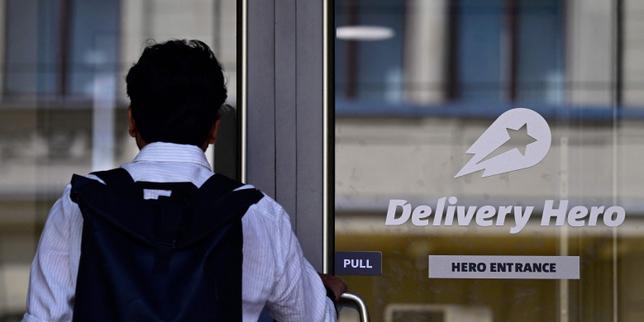
Uber has laid down a massive $14.8 billion cash offer to buy out its German rival, Delivery Hero, in a move that will reshape the global delivery market. It’s a massive, sweeping consolidation play that creates an absolute behemoth outside of China. If you've been watching the delivery wars over the last decade, you know we've transitioned from VC-subsidized growth races to a brutal game of geographic domination and scale.
This deal is the exclamation point on that transition.
But don't assume this is just another corporate buyout. The mechanics of this deal are incredibly complex, highly strategic, and purposefully structured to bypass the watchful eyes of global antitrust regulators. Let’s look at what is actually happening behind the headlines, why Uber is doing this, and how they managed to sidestep the predictable regulatory roadblocks.
The Art of the Split Deal
To make this acquisition work, Uber couldn't just swallow Delivery Hero whole. In markets where the two companies already overlap heavily—specifically parts of Europe and South America—antitrust regulators would have killed the deal before the ink dried.
So, they designed a clever workaround.
Uber is splitting Delivery Hero. While Uber is acquiring the vast majority of the business, a New York-based private equity firm named SSW Partners is stepping in to buy the overlapping pieces. SSW Partners will spend $1.6 billion to acquire Delivery Hero's operations in 14 countries, including the Glovo brand in Spain and Portugal, Foodora in Sweden and Norway, and Yemeksepeti in Turkey.
By offloading these highly competitive overlapping markets to a third party, Uber significantly thins out its regulatory target. They still get to keep the crown jewels:
- Baemin in South Korea
- Talabat and HungerStation in the lucrative Middle Eastern and Saudi Arabian markets
- PedidosYa in Latin America
It's a brilliant structural play. It turns a potential regulatory nightmare into a clean global expansion map.
Why Uber is Paying Billions for Scale
Let's talk numbers. The delivery business is notoriously low-margin, capital-intensive, and scale-dependent. If you don't own the market, you're basically burning money trying to buy loyalty from customers who will jump to a competitor for a fifty-cent discount code.
Uber's CEO Dara Khosrowshahi understands this perfectly. Uber isn't just a delivery company; it’s a cross-selling machine.
By acquiring Delivery Hero, Uber will expand its combined platform to 99 global markets, bringing its pro-forma gross bookings to an astronomical $236 billion. After the deal closes, Uber will offer both ride-hailing (mobility) and food delivery services in 58 different countries—nearly double its current overlap.
That overlap is where the real magic happens for Uber's balance sheet. Uber's internal data shows that users who utilize both ride-hailing and food delivery spend roughly three times more on the app than single-service users. It's about customer lifetime value and reducing customer acquisition costs. By acquiring Delivery Hero's massive local footprints, Uber can seamlessly pitch its mobility services to millions of new food delivery customers, and vice-versa.
The Activist Pressure That Broke Delivery Hero
This acquisition didn't happen in a vacuum. Delivery Hero, led by founder Niklas Östberg, has been under intense pressure for years.
The post-pandemic hangover hit European delivery companies hard. Investors stopped cheering for pure revenue growth and started demanding actual, consistent free cash flow. Activist investors, most notably Aspex Management, aggressively pressured Delivery Hero to clean up its balance sheet, focus on profitability, and spin off non-core assets.
The pressure was so intense that Östberg agreed to step down by March 2027.
Uber saw an opening and moved in. They quietly built up a massive ownership stake, buying up shares from Prosus and Aspex Management until they controlled over 37% of Delivery Hero. With Prosus agreeing to tender its remaining 17% stake to Uber, the ride-hailing giant effectively locked down a majority economic interest of 53% before even announcing the official public takeover.
Delivery Hero's board essentially had no choice but to accept the offer. The premium was too good to pass up, and trying to build a global platform solely from a European capital base had simply run its course.
The Real Cost to Germany
To appease German regulators and politicians, Uber had to offer a few massive concessions. Berlin is the historic heart of Delivery Hero, and the German government is highly protective of its domestic tech champions.
To smooth over the political friction, Uber has committed to:
- Maintain Delivery Hero's corporate headquarters in Berlin.
- Guarantee no workforce reductions at the Berlin HQ until at least 2029.
- Invest €2 billion in Germany over the next five years, focusing on corporate operations, local expansion, and autonomous vehicle integration.
It's a costly promise, but one that Uber can easily afford if they successfully extract the international synergies they are aiming for.
What This Means for the Industry
This isn't just about Uber and Delivery Hero. It signals a broader, inescapable trend. The global food delivery space is consolidating into a duopoly or triopoly in almost every major region. We saw DoorDash acquire Deliveroo and Prosus swallow Just Eat Takeaway.
If you are a restaurant owner or a gig worker, this consolidation means fewer platforms to choose from. For merchants, fewer platforms mean less negotiating power over commission rates. For gig couriers, it likely means more standardized, algorithmically driven pay structures with less room to play competing apps against each other.
If you are an investor, watch the regulatory review process closely as this deal heads toward its expected close in the second half of 2027. Even with the SSW Partners spin-off, global regulators will scrutinize this transaction intensely. However, Uber's preemptive structural splitting shows they are playing chess while everyone else is playing checkers. They’ve designed a blueprint for megamergers in an era of hyper-strict antitrust enforcement.