Ankara has changed the geopolitical playbook in Africa. While traditional powers like France see their influence fracture across the Sahel, Turkey is building lasting alliances. They aren't doing it just by building roads or opening embassies. They are doing it through military training and defense pacts.
If you look at how foreign powers operate in Africa, you usually see two models. There is the Western approach, which often comes with heavy political strings attached. Then there is the Russian Wagner model, which focuses on immediate, mercenary-driven regime survival. Turkey found a third way. They offer a middle ground that African governments find incredibly attractive. They sell advanced hardware, build local defense capacities, and train the soldiers who will use them.
This isn't a sudden shift. It is the result of a deliberate, two-decade strategy that began accelerating rapidly in the 2020s. To understand why this matters, you have to look past the drones. The real story lies in the military academies and training grounds from Mogadishu to Dakar.
The Foundation in Somalia
You cannot talk about Turkish military training in Africa without starting in Mogadishu. Camp TURKSOM opened in 2017, and it remains Turkey's largest overseas military facility. It cost roughly $50 million to build. It represents a massive, long-term bet on the Horn of Africa.
This isn't a temporary outpost. It is a fully functioning military academy. Turkish officers train Somali government forces, specifically the Gorgor (Eagle) elite infantry battalions. These troops face Al-Shabaab terrorists on a daily basis.
What makes the Turkish approach different? Language, for one. Somali recruits learn Turkish so they can communicate directly with their instructors and read technical manuals for Turkish gear. By some estimates, Turkey has trained over one-third of the active Somali national army. When these soldiers return to the field, they don't just carry Turkish rifles. They carry a deep, institutional connection to Ankara.
This creates a self-reinforcing cycle. A military trained by Turkish officers naturally prefers Turkish equipment, doctrine, and ongoing support. It forms an ideological and logistical bond that is incredibly hard to break.
Beyond Drones and Into the Classrooms
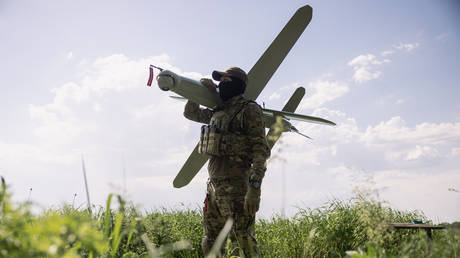
Everyone talks about the Bayraktar TB2 drone. It won fame in Nagorno-Karabakh, Libya, and Ukraine. African governments noticed. Niger, Mali, Togo, Burkina Faso, and Ethiopia bought these unmanned aerial vehicles to fight insurgencies.
Selling a drone is a one-time transaction. Teaching a foreign military how to integrate that drone into their broader defense strategy is where real influence happens. Turkey realized this early on. They bundled their defense sales with extensive training packages.
When a country buys Turkish hardware, their pilots, mechanics, and analysts head to Turkey. They spend months in places like Izmir or Ankara. They learn the systems inside out. They eat the food. They build relationships with their Turkish counterparts.
Think about the long-term impact of that. The next generation of African military leaders, commanders, and chiefs of staff are spending their formative years training under Turkish instructors. That is soft power wrapped in hardware.
Filling the Vacuum in West Africa
The Sahel region is messy right now. Military coups have shaken Mali, Burkina Faso, and Niger. French troops were kicked out. The US military lost its critical drone bases in Niger. These nations faced severe security crises and needed partners who wouldn't lecture them about democratic backsliding.
Ankara stepped into the void beautifully. They approached these regimes with a pragmatic, business-first attitude. Turkey signed defense cooperation agreements with Niger and Togo. These agreements cover everything from joint training exercises to intelligence sharing.
Western analysts often worry that Russia is winning the battle for the Sahel. That misses the nuance. While Russian mercenaries secure mines and palace gates, Turkey builds the institutional capacity of the actual national armies. African states don't want to rely entirely on Moscow. They use Turkey as a critical counterweight. It lets them maintain their sovereignty while still getting access to high-quality training and gear.
The Strategic Logic of the Middle Power
Turkey isn't a superpower, and that is their biggest advantage. They don't carry the historical baggage of European colonial powers like France or Britain. They also don't bring the heavy-handed geopolitical rivalry that comes with US or Chinese involvement.
Ankara frames its African partnerships as an alliance of equals. They emphasize a shared history of resisting Western hegemony. This narrative resonates deeply across the continent.
There is also a massive economic driver behind this. Turkey's domestic defense industry has grown exponentially. Local production jumped from around 20% two decades ago to over 80% today. They need export markets to sustain this growth. African defense budgets might be small compared to Gulf states, but they are growing fast. By positioning itself as the premier training partner, Turkey secures a loyal customer base for its defense conglomerates like Aselsan, Roketsan, and Baykar.
Real Risks and Friction Points
It isn't all smooth sailing. Turkey’s growing footprint drags it into complex regional rivalries.
Take the Horn of Africa. Turkey's close relationship with the federal government in Mogadishu creates tension with regional states. When Ethiopia signed a controversial port deal with Somaliland, it threatened to destabilize the whole area. Turkey had to step in as a mediator, hosting talks in Ankara. It is a dangerous tightrope act. If Turkey leans too far toward one side, it risks ruining its reputation as a neutral partner.
There is also the risk of overextension. Training thousands of foreign troops, maintaining overseas bases, and mediating regional conflicts requires massive diplomatic and financial resources. If Turkey's domestic economy faces turbulence, sustaining this ambitious foreign policy gets a lot harder.
How to Read the New African Security Map
If you are tracking geopolitical shifts, stop looking at this through a simple Cold War lens. It isn't just Washington versus Beijing or Moscow. Middle powers are rewriting the rules.
To accurately assess this shifting influence, you need to watch specific indicators over the next few years. Don't just count drone deliveries. Look at the data that actually shows deep institutional integration.
- Track the number of bilateral defense cooperation agreements signed between Ankara and maritime West African states like Senegal, Ghana, and Ivory Coast.
- Monitor enrollment numbers of African officers in Turkish military academies compared to Western or Russian equivalents.
- Watch the establishment of any secondary Turkish logistics or maintenance hubs in West Africa, which would signal a shift from training to permanent operational support.
- Observe how Turkish-trained units perform against insurgencies in the Sahel, as their battlefield success will directly dictate future training demands.
The old era of exclusive Western security monopolies in Africa is done. Ankara figured out that if you train the soldiers, you don't need to conquer the territory to have a seat at the table.