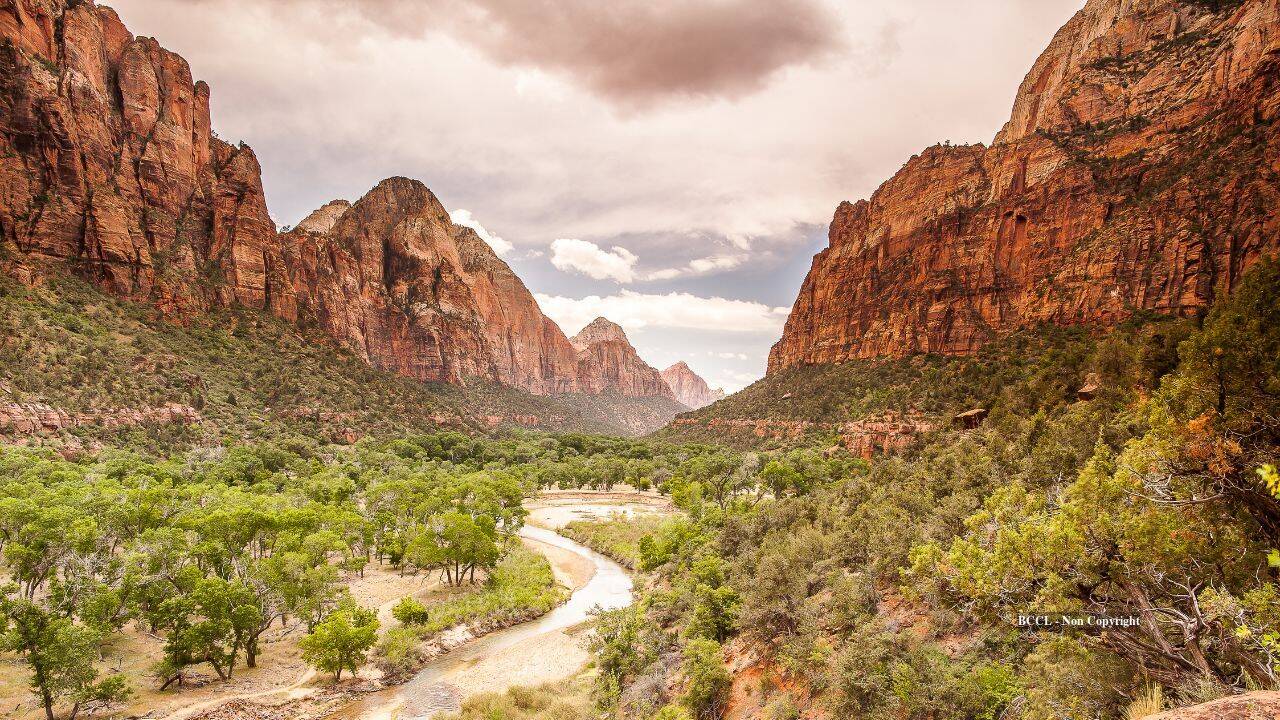
The brochure photos show infinity pools mirroring Mediterranean blue skies and palm-shaded terraces where waiters pour mint tea without a tremor in their hands. They do not show the generator smoke coughing behind the kitchen walls. They do not record the sound of a five-star bathroom tap sputtering dry at six in the evening when three hundred guests return from the beach covered in salt and sand.
Tunisia tourism is colliding with a severe infrastructure wall.
For decades, the country relied on its geographic grace, its Roman ruins, and a hospitality workforce capable of making scarcity invisible. That invisibility is wearing thin. Across Hammamet, Djerba, and the coastal stretches of Sousse, hoteliers are fighting a daily logistics war against power outages and water rationing.
When the grid fails in peak July, air conditioning units wheeze to a halt. When municipal water pressure drops to zero, swimming pools sit half-empty and laundry piles up in damp, unwashed mountains. Visitors who paid thousands of euros for an all-inclusive escape find themselves rationing their own bottled water to brush their teeth.
The immediate trigger is environmental stress paired with chronic underinvestment. Years of consecutive drought have drained the country's central reservoirs to alarming lows. The state-owned water utility, Sonede, has been forced to implement nocturnal cuts and pressure reductions in multiple regions. At the same time, the national electricity company, STEG, struggles under peak summer demand driven by residential cooling and aging transformer stations that cannot handle the load.
Yet blaming the weather alone is a comforting fiction for bureaucrats. The systemic failure runs deeper into political paralysis and structural debt.
The Economics of a Parched Paradise
Hotels operate on razor-thin margins in the Mediterranean basin. When competing against Spain, Greece, and Turkey, Tunisian operators have traditionally won on price. Lower operating costs allowed them to offer competitive packages.
Those economics break down when a property has to buy its own diesel fuel to run industrial generators twenty-four hours a day.
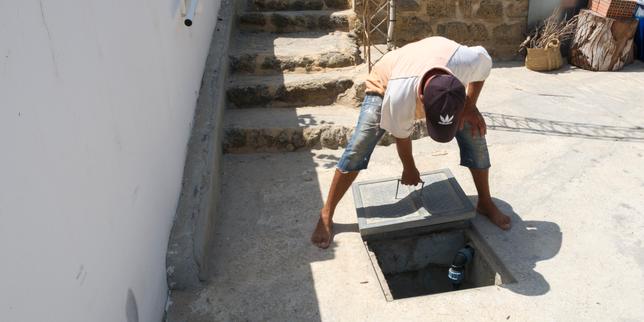
Fuel prices have surged. Running a backup generator for a medium-sized resort burns through capital at a rate that devours seasonal profits. Some smaller boutique hotels in historic towns like Sidi Bou Said or the Medina of Tunis cannot afford heavy industrial generators. They rely on bucket brigade solutions, filling plastic tanks during the brief hours when water trickles from municipal pipes.
Vacationers do not care about balance sheets. They care about a hot shower after a flight.
When a guest encounters a dry tap or a pitch-black corridor, they leave a blistering review on TripAdvisor. They book Turkey next year. The financial damage compounds rapidly because reputation in hospitality is fragile, whereas fixing an electrical grid requires years of massive capital expenditure that the central government currently lacks.
To understand why this crisis caught the industry flat-footed, you have to look at how tourism policy has been handled for the last fifteen years. Since the 2011 revolution, successive administrations treated the sector as an emergency cash cow rather than an asset requiring structural modernization. When security crises hit following the 2015 terror attacks, the government stepped in with short-term bailouts, debt restructuring, and tax holidays.
Those measures kept the lights on temporarily. They did nothing to upgrade water desalination plants or overhaul subterranean piping networks that lose up to thirty percent of their water to leaks before it ever reaches a hotel tap.
On the Ground in the Coastal Zones
Drive down the coastal highway toward Mahdia during August, and the signs of strain are everywhere. Agriculture takes the first hit when water quotas are imposed, but tourism is the second domino.
Resort managers are walking a tightrope. They know that rationing water openly will trigger immediate cancellations. Consequently, many attempt to mask the shortages. They restrict lawn watering, turn off decorative fountains, and quietly truck in private water tankers to top up underground cisterns under the cover of night.
A hotel director in Sousse, speaking on condition of anonymity to protect his franchise agreement, laid out the reality with brutal frankness.
"We are managing a crisis every single morning before breakfast," he said. "Guests think they are paying for paradise, but we are playing a game of industrial triage. If the transformer blows at noon, the kitchen stops, the elevators trap guests, and our staff has to carry water up four flights of stairs by hand while smiling and telling guests everything is under control."
The emotional toll on local staff is heavy. Tunisian hospitality workers are renowned for their warmth and professional pride. Being forced to look an angry European tourist in the eye and explain why the air conditioning has failed for the third consecutive afternoon degrades that professional pride. Many trained cooks, receptionists, and maintenance engineers are migrating across the Mediterranean to work in Gulf hotels or European resorts where infrastructure works predictably.
This human drain is the most dangerous long-term threat to Tunisian tourism. Concrete buildings can be repaired; a demoralized and depleted workforce cannot be replaced overnight.
The Technological and Structural Bypass
Some forward-thinking properties are no longer waiting for the state to solve the problem. They are investing heavily in independent micro-infrastructure.
Desalination units are appearing behind resort fences. Solar panel installations, once viewed as expensive green-washing accessories, are now survival tools. By combining photovoltaic arrays with battery storage, savvy operators insulate themselves from STEG blackouts during peak daylight hours when air conditioning demand is highest.
These solutions, however, create a stark two-tier market.
Large international chains and high-end luxury resorts can absorb the capital expenditure required to drill private deep wells, install reverse osmosis plants, and buy heavy-duty generators. They remain islands of cool water and operational stability.
Independent, locally owned three-star hotels—the backbone of traditional Tunisian family tourism—cannot afford these capital investments. They are trapped in a slow spiral of declining service quality, negative reviews, and financial insolvency. If current trends hold, a massive consolidation wave is coming. International private equity and foreign hotel groups will likely buy up distressed local properties for pennies on the dollar, reshaping the ownership map of the Tunisian coast.
Government initiatives exist on paper. Plans for larger seawater desalination plants near Sfax and Tunis have been announced with great fanfare. Yet bureaucratic inertia and financing bottlenecks mean these mega-projects move at a glacial pace, years behind the urgency of the climate clock.
What Lies Ahead for the Mediterranean Destination
Tunisia remains one of the most culturally rich and geographically stunning destinations in North Africa. The Roman amphitheater at El Jem, the troglodyte homes of Matmata, and the warm sands of Djerba hold magnetic appeal. Travelers will keep coming, drawn by curiosity and affordability.
Yet the margin for error has vanished.
As climate change accelerates heatwaves across the Mediterranean basin, water scarcity will intensify rather than abate. Governments that treat water and power security as secondary infrastructure issues will watch their most valuable service economies wither.
The industry in Tunisia stands at a fork in the road. One path leads to aggressive, transparent investment in green technology, decentralized water management, and structural reform. The other leads to a degraded destination model where visitors check in with skepticism and check out vowing never to return.
The next generation of travelers will not forgive systemic neglect disguised as exotic charm. The taps must run, the power must stay on, and the reality of the crisis must be met with more than temporary promises.