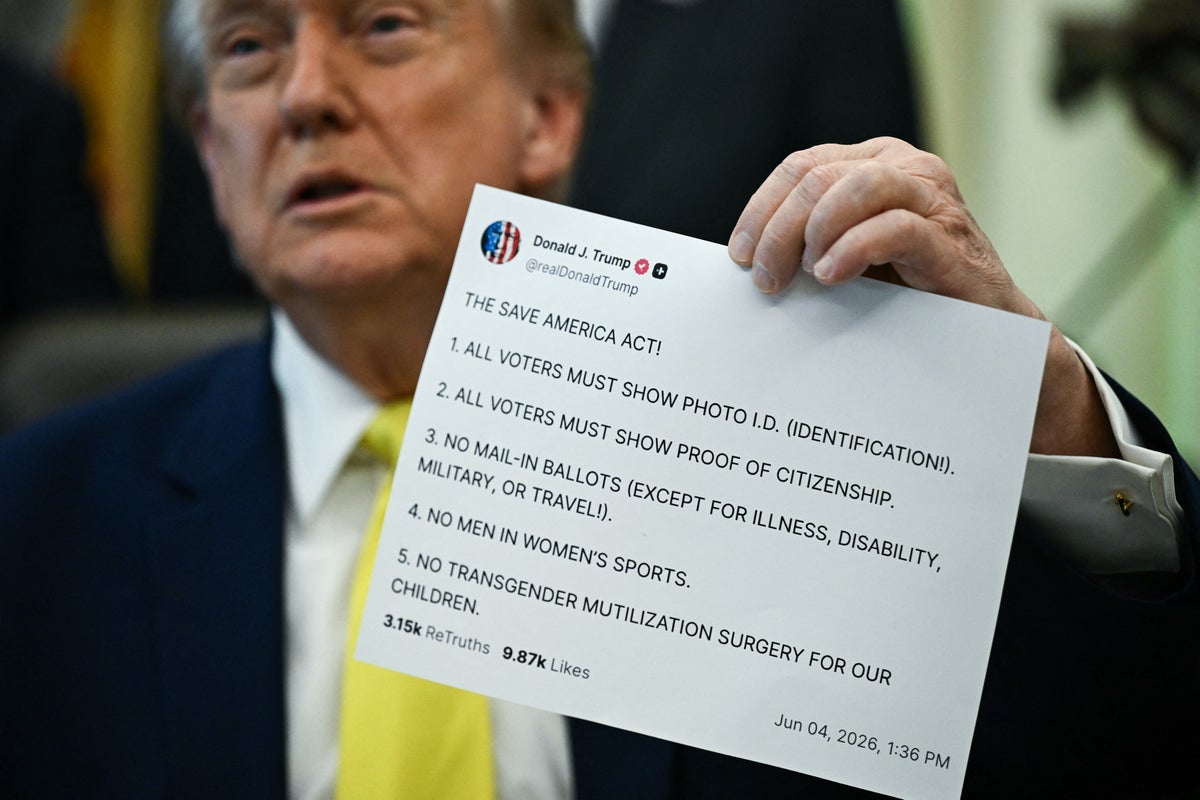
Online traffic to Truth Social plummeted roughly 36% over the summer months, exposing a massive gap between the platform's heavy political reliance and actual user engagement. While Donald Trump treats the platform as his primary digital megaphone, digital data tracked by Similarweb reveals a steep monthly plunge that stands in direct contrast to massive growth seen by mainstream competitors like X and Meta's Threads.
If you look at the raw numbers, the platform averaged around 28 million monthly visits during the first seven months of 2025, but that figure dropped to roughly 25 million for the same timeframe. For a social network built entirely around the personal brand and constant activity of a major political figure, these double-digit summer drops raise serious questions about long-term retention.
The Reality Behind the Traffic Plunge
Data analysts who track conservative media ecosystems have noted that the sheer velocity of the drop is surprising. Howard Polskin, founder of media tracking newsletter TheRighting, pointed out that you would naturally expect a platform heavily utilized by a sitting president to experience skyrocketing numbers. Instead, the exact opposite is happening.
Several distinct factors explain why users are looking elsewhere:
- Platform Fatigue: Relying on a single dominant personality for daily engagement leaves little room for organic community building. Once readers consume the core political updates, they bounce.
- Mainstream Competition: Platforms like X and Threads offer diverse content feeds, entertainment, and global news integration that keep users glued to their screens for hours rather than minutes.
- Monetization Shifts: Trump Media & Technology Group has increasingly pivoted toward high-end corporate and institutional offerings, such as selling early-access API feeds to Wall Street traders for up to $100,000 a month, rather than focusing purely on consumer-facing feature growth.
Monetizing the Megaphone on Wall Street
The sharp drop in public web traffic coincides with an aggressive push by Trump Media to monetize the platform outside of traditional advertising. The company introduced a high-priced subscription service called Truth API, giving institutional trading firms instantaneous alerts whenever Trump publishes a post.
Because market research from firms like Fundstrat indicates that presidential posts frequently trigger major swings in the S&P 500, Wall Street firms are willing to pay top dollar for a speed advantage. Yet this strategy has also invited heavy scrutiny from congressional critics who argue the setup blurs ethical lines regarding market-moving communications. Meanwhile, core ad sales on the app remain relatively modest, generating a fraction of the massive operating losses posted by the parent company.
What This Means for Niche Social Networks
Building a sustainable alternative to legacy tech giants requires more than a famous founder and a loyal base. When a site's primary utility is serving as a broadcast channel rather than an interactive community hub, traffic will naturally fluctuate based on political news cycles. Competitors have managed to capture broader cultural attention by diversifying their user experiences, leaving niche political platforms scrambling to retain casual visitors.
If you are analyzing digital media trends, the takeaway is clear. Pure-play partisan apps face an uphill battle when trying to scale past their core audiences. Diversification and sticky, day-to-day utility dictate who wins the attention economy, and right now, the numbers show users voting with their feet.