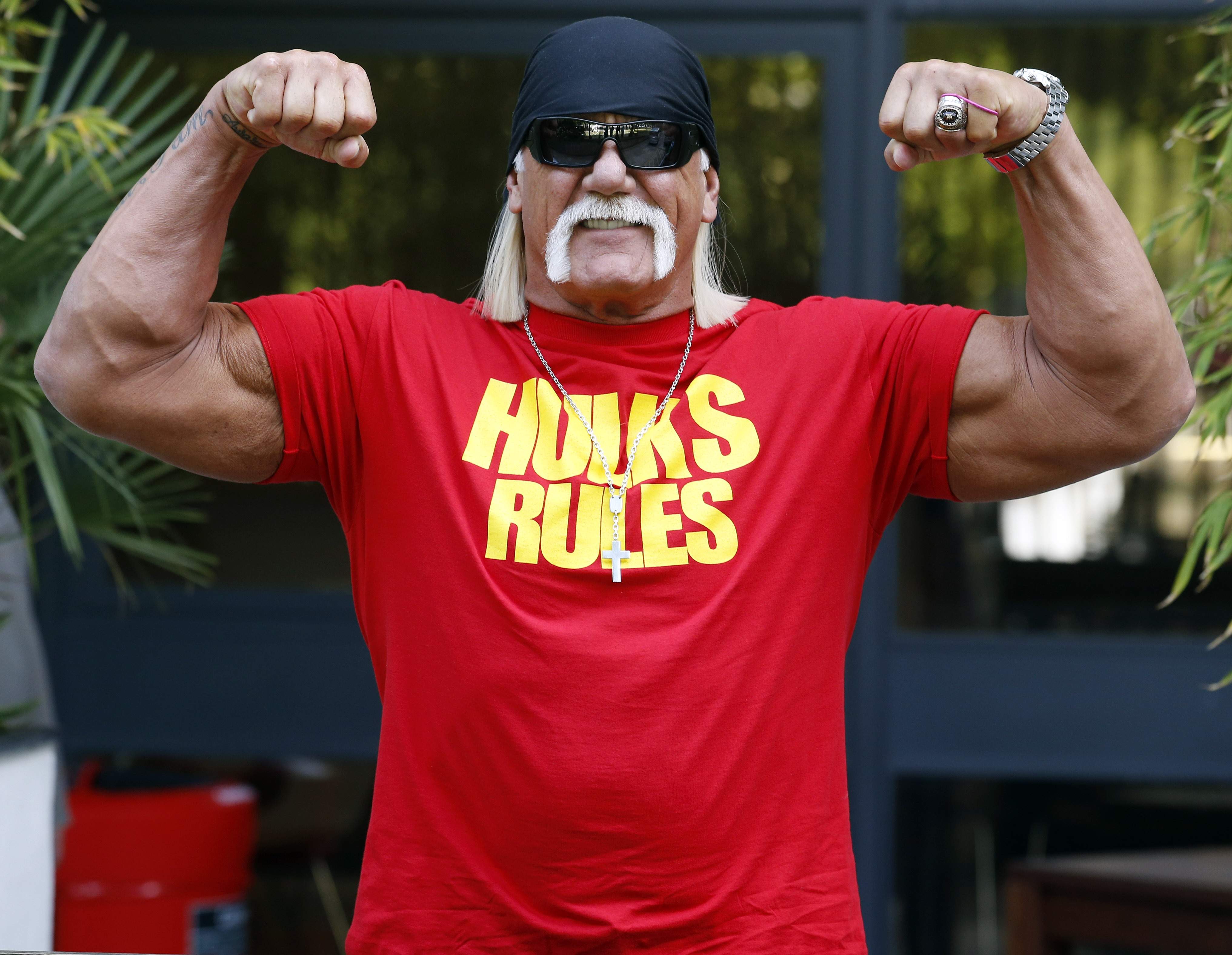
The rumors can finally stop. For nearly a year, the wrestling community whispered, speculated, and pointed fingers over the sudden passing of Terry Bollea, the man the world knew as Hulk Hogan. When an icon who defined an entire multi-billion-dollar industry dies at 71, people look for a dramatic narrative. They want a twist.
Now, the official 72-page investigative file released by the Clearwater Police Department has blown away the conspiracy theories. The case is officially closed. There was no foul play, no criminal negligence, and no hidden scandal. Hulk Hogan died of natural causes.
But looking past the dry legalese of the police report reveals a much harsher, human reality. The final days of wrestling's biggest superhero weren't filled with the theatrical triumph of WrestleMania. They were defined by a brutal, quiet fight against a body that was completely breaking down after decades of physical punishment.
The Reality Inside the 72 Page Police Report
When paramedics rushed to Hogan’s Clearwater Beach home in July 2025, the initial emergency call flagged a sudden cardiac arrest. Because of his massive global profile and the intense public interest, Florida authorities treated the investigation with absolute microscopic scrutiny. They reviewed home surveillance footage, examined private medical histories, and interviewed everyone inside the house.
The findings are definitive. There’s zero evidence of criminal wrongdoing.
The local medical examiner originally ruled the death a heart attack and skipped a full autopsy, which naturally sent the internet rumor mill into overdrive. To put any doubts to rest, the Bollea family commissioned a private autopsy on August 16. That independent medical review backed up the state’s findings word for word, confirming there were no traumatic injuries or toxic substances involved.
A Brutal Medical Timeline Hidden From Fans
Hulkamania was built on the myth of invincibility. You rip the shirt, you tank the hits, you win the match. But the police report strips away the gimmick to reveal just how sick Terry Bollea actually was during his final months. He wasn't just dealing with old age. He was surviving an onslaught of severe, compounding medical crises.
- Recent Major Surgeries: Just weeks before his death, Hogan underwent a massive neck fusion surgery alongside a separate procedure to repair a failing heart valve.
- The Cancer Battle: He had been diagnosed with chronic lymphocytic leukemia and had literally started his first round of chemotherapy just seven days prior to his passing.
- Organ Failure: His kidneys were failing. In fact, he was scheduled to begin his very first dialysis treatment on the exact day he died.
- Chronic Conditions: On top of everything else, his medical records showed a long-term battle with atrial fibrillation, a dangerous irregular heart rhythm.
When you look at that timeline, it's a miracle the man was still moving at all. His occupational therapist, Justin McCamey, told investigators he had completed an initial evaluation on Hogan the week before and was honestly surprised the wrestler had even made it through those seven days.
What Happened on July 24
The report gives us a specific, mundane look at Hogan's last morning. There was no grand drama. He ate a simple breakfast of yogurt and blueberries. By 9:30 a.m., he was resting in his living room recliner, wrapped in full-time home health care.
McCamey and a home health aide, Dana Swinton, went into the bathroom to set up for his scheduled physical therapy session. When they walked back into the living room ten minutes later, McCamey noticed something felt completely off. The supplemental oxygen machine attached to Hogan was completely silent. You couldn't hear him breathing.
The therapist scrambled to check for vital signs. Nothing. No pulse.
McCamey, Swinton, and Hogan’s wife, Sky Daily Hogan, moved his massive frame from the recliner to the floor. McCamey jumped straight into CPR while Sky dialed 911. Clearwater Fire and Rescue arrived within minutes, took over the lifesaving measures, and hooked him up to a cardiac monitor. It registered asystole—flatline. They kept working on him for 45 minutes, carrying him to Morton Plant Hospital just three miles away, but it was too late. He was pronounced dead at 11:17 a.m.
Addressing the Phrenic Nerve Speculation
If you followed the news right after his passing, you probably heard wild stories about a botched surgery. That rumor didn't come out of thin air; it actually started from early statements McCamey made to responding officers. He initially speculated that Hogan’s sudden decline might have been caused by damage to his phrenic nerve—the nerve that controls the diaphragm—during his recent neck surgery.
The 72-page file clears this up. Investigators dug into surgical records from Morton Plant Hospital, Tampa General Hospital, and Good Samaritan Medical Center. They found absolutely no evidence of surgical errors or malpractice. McCamey later admitted to police that he was deeply rattled from performing chest compressions on a dying legend and spoke way out of turn before anyone had the actual medical facts.
The family even filed a court petition in September 2025 to extend the statute of limitations for a potential medical malpractice claim, just to keep their options open while checking the records. But the paper trail is clean. His body simply gave out.
The Cost of Being the Hulk
You can’t talk about Hogan's medical collapse without talking about the ring. Hogan weighed over 300 pounds for the majority of his career. His finishing move, the famous atomic leg drop, required him to jump in the air and land directly on his tailbone night after night, year after year, on rings that often had zero give.
He spent his retirement undergoing dozens of surgeries to fix the structural damage. Back fusions, hip replacements, knee replacements—his spine was essentially held together by hardware. When severe illnesses like leukemia and kidney failure hit an already battered body, the system simply lacked the reserves to fight back.
With the investigation legally resolved, the focus shifts away from how he died and back to what he left behind. The split public reaction to his death in 2025 highlighted how complicated his legacy had become, balancing his massive cultural impact against late-career controversies. Yet, his status as the foundational anchor of modern sports entertainment remains untouched. He built the house everyone else gets to play in.
If you are dealing with aging family members facing complex, compounding health diagnoses, don't let medical jargon stall your planning. Talk directly with healthcare providers about how different treatments—like chemo and dialysis—interact with an already weak heart. Get clear definitions on palliative options early so you aren't forced to make emergency decisions in a living room.


:max_bytes(150000):strip_icc():focal(665x0:667x2)/gettyimages-50733149-2000-8b129a2475974982a915418ce92a73d8.jpg)