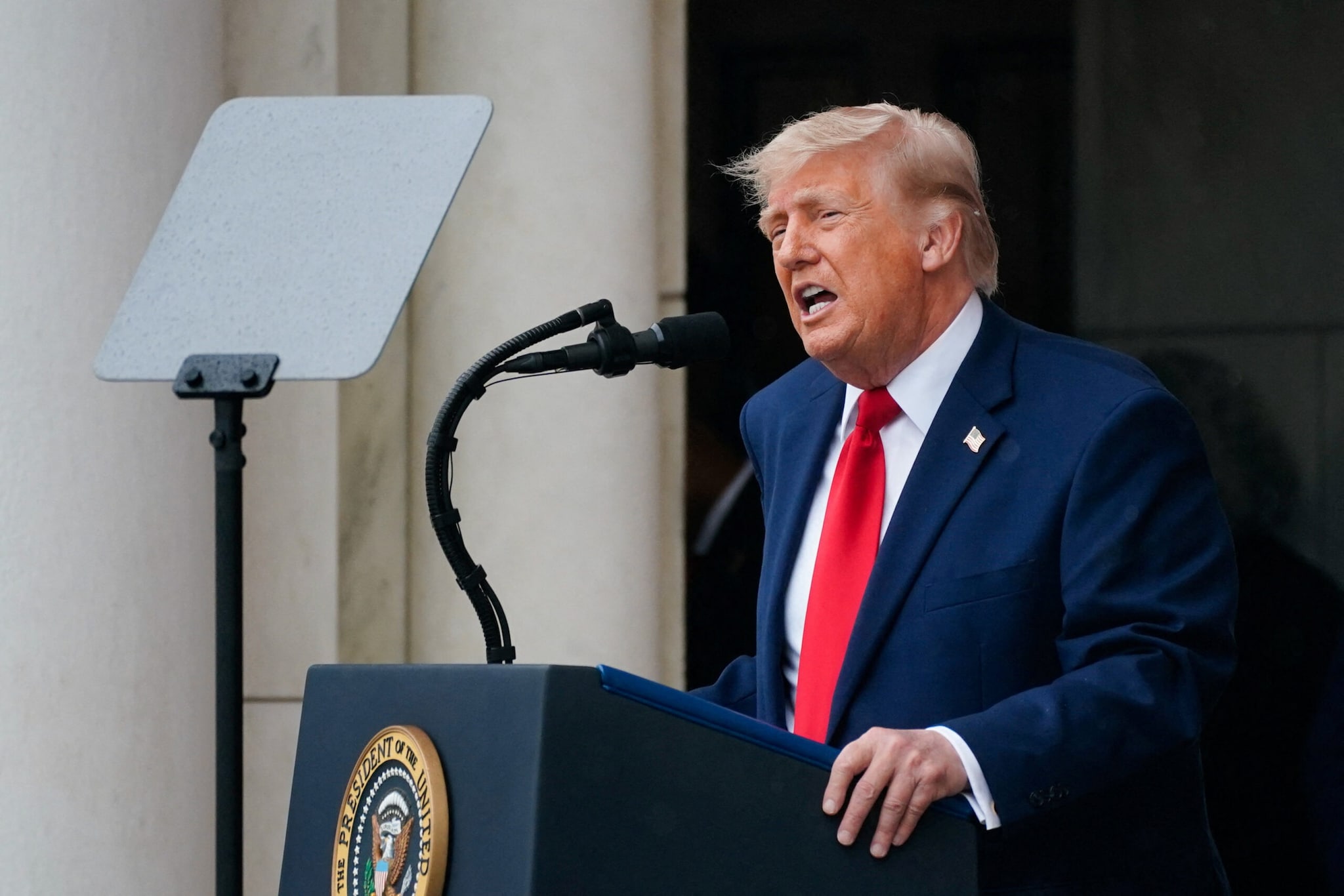
The mainstream financial press is regurgitating the same lazy consensus: Washington just signed an executive order to "tighten customs enforcement," and we are told this will miraculously protect American businesses and claw back billions in evaded duties. White House advisers are publicly boasting about capturing tens of billions of dollars from "tariff cheats."
It sounds great on a teleprompter. It is a disaster in the real world.
The media is reporting this as a win for domestic commerce. They are missing the structural reality of global logistics. By crushing the legal mechanisms of informal entry, forcing rigid bonding minimums, and establishing a zero-discretion 50% penalty floor, this executive order does not just target malicious bad actors. It chokes the life out of compliant domestic supply chains.
I have spent nearly two decades auditing corporate supply chains and watching executive teams navigate border friction. I have seen mid-sized companies blow millions of dollars overnight because a single clerical error triggered a systemic customs freeze. What Washington calls "closing loopholes," the actual market experiences as a massive supply chain tax.
The Myth of the Easy Billions
The core argument driving this policy is that the government can simply turn a tech dial at Customs and Border Protection (CBP) and extract hidden revenue from duty evaders. This premise is fundamentally flawed.
In trade economics, tariffs are not paid by foreign exporters. They are paid by the Importer of Record (IOR). When you dramatically increase bonding requirements and mandate that IORs maintain minimum levels of tangible domestic assets, you do not punish foreign factories. You radically inflate the cost of capital for domestic distributors who rely on those foreign inputs to manufacture goods on American soil.
Imagine a scenario where a mid-sized automotive components distributor in Ohio imports specialized steel fasteners. Under the new rules, their bonding requirements triple because their risk profile is altered by sweeping new vetting procedures. The distributor must tie up millions in cash or bank lines just to secure the customs bonds required to move inventory through the Port of Los Angeles.
That is liquidity ripped straight out of their R&D and payroll. The "cheats" do not pay this bill. The American consumer does, through compounding inflationary pressure down the line.
The Disastrous War on Informal Entry
The executive order explicitly targets "informal entry" rules, stripping foreign entities of the right to file them and forcing a "good standing" regime across the board. The lazy consensus assumes this stops the flow of illicit or un-tariffed goods.
It does not. It creates a massive administrative bottleneck.
Informal entry exists for a reason. It is the grease that allows small-and-medium enterprises (SMEs) to source samples, prototypes, and low-value components quickly without hiring an army of compliance lawyers. By choking this pathway and demanding that only U.S. IORs file formal entries with heightened disclosures, the administration is effectively shutting out smaller players who cannot afford sophisticated customs brokerage operations.
Consider the operational reality at major ports. CBP is already buried under mountains of cargo. Forcing millions of previously low-touch, informal entries into the grueling formal entry pipeline will collapse port velocity.
- The Reality: Shipments will sit on docks for weeks.
- The Cost: Demurrage fees will skyrocket.
- The Result: The tech-driven automated targeting systems designed to catch actual contraband, like fentanyl, will be blinded by the sheer volume of mundane administrative data they are now forced to process.
The Danger of the 50% Penalty Floor
Perhaps the most terrifying clause for any corporate logistics director is the implementation of a strict 50% minimum penalty floor, stripping CBP officers of their traditional administrative discretion to mitigate fines.
In customs compliance, there is a massive difference between fraud (deliberate evasion) and negligence (a clerk misclassifying a Harmonized Tariff Schedule code). Historically, if a compliant company made an honest mistake, they could file a Prior Disclosure, cooperate with CBP, and settle for mitigated penalties.
By removing that discretion, a simple administrative typo can trigger a corporate-killing financial penalty. This does not foster compliance; it fosters terror. Companies will stop proactively disclosing errors out of fear of immediate, unmitigated bankruptcy. The regulatory environment transforms from a collaborative framework into an adversarial trap.
The Flawed Premise of Asset Mandates
The administration points out that foreign trading partners prohibit foreign entities from serving as local importers of record, arguing that the U.S. is merely balancing the scales. This completely ignores the structural asymmetry of global trade.
The United States is the world's primary consumer market. Forcing foreign exporters to either maintain substantial tangible domestic assets in the U.S. or partner exclusively with verified domestic third parties will not force them to build warehouses here. Instead, it will cause foreign suppliers to simply drop lower-margin, highly specialized components from their catalogs entirely.
If a specialized German medical device component manufacturer looks at the new asset mandate and determines the compliance cost outweighs their U.S. revenue, they will simply pull out of the market. The American medical tech company relying on that single-source component is left stranded.
The Structural Backfire
We must be brutally honest about the downsides of this contrarian view. Yes, unchecked duty evasion exists. Yes, predatory foreign entities use shell companies to dump under-valued goods into the market. Complete lawlessness at the border is untenable.
But treating a surgical enforcement problem with a blunt economic instrument is policy malpractice. You do not stop a thief in a department store by locking the front doors and strip-searching every paying customer.
The real winners of this executive order will not be American manufacturers. The winners will be the massive customs brokerages, international trade law firms, and massive multinational conglomerates who already possess the institutional infrastructure to absorb these compliance shocks. The very businesses this policy claims to protect—the mid-market American enterprises trying to scale—are the ones that will be crushed under the weight of the new bonding and asset requirements.
If Washington wants to protect domestic industry, it should fund targeted, intelligence-led enforcement at the point of origin, rather than transforming the entire U.S. customs entry system into an expensive, bureaucratic choke point. Stop cheering for administrative crackdowns that treat every domestic importer like a criminal enterprise. You cannot build economic strength by turning your own supply chain into an active war zone.


