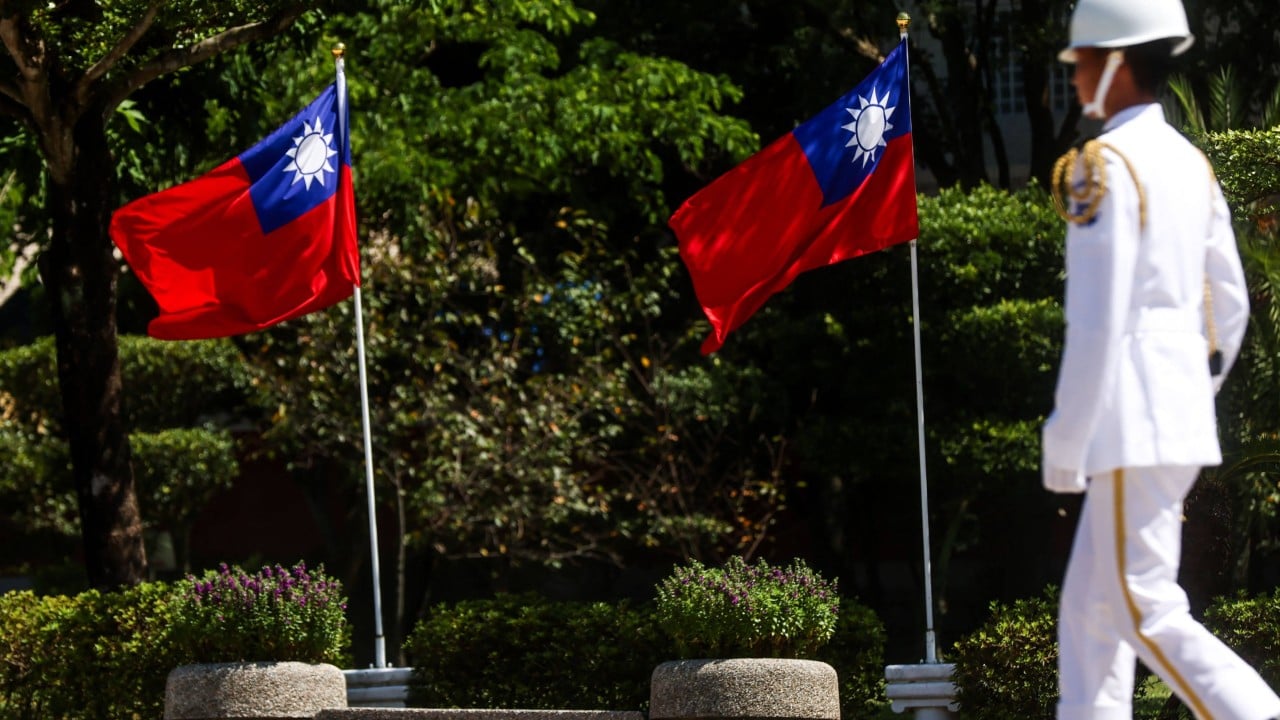
Geopolitical theater rarely lacks for red carpets, military flyovers, and carefully choreographed handshakes. But beneath the glossy exterior of high-level summits between Washington and Beijing, a quiet panic often takes root in Taipei. When Donald Trump rolls out the red carpet for Chinese President Xi Jinping, it makes for great television. In Taiwan, however, it triggers an immediate wave of anxiety.
Let's look past the pageantry. What do these cozy superpower summits actually mean for a self-governing island caught in the middle of a shifting global order? The answer isn't comforting if you live in Taipei.
The Optics of Friendship Versus the Reality on the Ground
Diplomacy is transactional. Trump loves a spectacle, and Xi knows how to play to that preference. When leaders bypass traditional protocol to stage grand welcomes at Joint Base Andrews or inside the Great Hall of the People, they are signaling personal rapport.
For foreign policy watchers, personal rapport between rival superpowers sounds like a good thing. It lowers the temperature. It prevents accidental conflict. But Taipei views these cozy displays through a very different lens. When Washington gets too friendly with Beijing, Taiwan worries it will become a bargaining chip.
History shows that great powers love carving up spheres of influence behind closed doors. Every time a U.S. president prioritizes trade deals, rare earth supply chains, or artificial intelligence agreements with China, security guarantees for smaller democracies tend to get fuzzy.
What Beijing Actually Wants Out of These Talks
If you listen to official statements coming out of Beijing following these high-profile meetings, the message is remarkably consistent. China describes Taiwan as the most sensitive core interest in bilateral relations. Xi routinely presses U.S. leadership to explicitly oppose Taiwanese independence and handle cross-strait issues with extreme care.
The strategy here is multi-layered. Beijing wants to normalize its jurisdictional claims over the Taiwan Strait. By keeping Washington engaged in constant diplomatic dialogue, China attempts to shape the narrative before any crisis breaks out. If Washington agrees—even implicitly—to tone down its rhetorical support for Taipei or slow down arms sales packages, Beijing chalks it up as a massive strategic victory.
Meanwhile, the gray-zone pressure doesn't stop just because a summit is scheduled. Coast guard patrols, maritime research vessels, and military flights near the island have become a relentless daily reality. Beijing is trying to exhaust Taiwan through a thousand small cuts, making its daily defense unsustainable over the long haul.
Why Washington’s Mixed Signals Drive Taipei Crazy
Consistency is the bedrock of deterrence. Unfortunately, American foreign policy often swings wildly depending on who occupies the Oval Office and what trade deal is currently on the table.
When the White House pauses major arms packages or treats defensive military sales as leverage during broader economic negotiations with China, alarm bells ring across Taiwan. Taipei needs predictable, reliable backing. Instead, they get mixed messaging. U.S. ambassadors might insist that official positions haven't changed, but actions speak louder than diplomatic reassurances.
When a superpower treats its strongest informal allies like leverage items in a trade negotiation, trust evaporates.
Navigating the Uncertainty Ahead
Taiwan isn't sitting still while Washington and Beijing hash out the future of the Indo-Pacific. The island's strategy relies on asymmetric defense capabilities, strengthening domestic high-tech manufacturing—especially in advanced semiconductors—and deepening informal ties with regional partners who share democratic values.
Yet, the anxiety remains palpable. Every red carpet rolled out in Washington for a visiting authoritarian leader reminds Taipei's citizens of a harsh geopolitical truth. Big nations look out for their own bottom lines first.
The uncertainty isn't going away anytime soon. As long as summit diplomacy values personal chemistry over steadfast commitments, Taiwan will remain on high alert, watching every handshake for signs of betrayal.


