Donald Trump doesn’t do subtle diplomacy, and his latest gambit in the Middle East proves it. By ordering a naval blockade of the Strait of Hormuz to choke off Iran, he hasn't just picked a fight with Tehran—he’s effectively told Beijing that their energy security is now a bargaining chip in his personal brand of high-stakes poker. This isn't just about regional stability anymore. It's a calculated squeeze on China’s economy right before Trump is supposed to sit down with Xi Jinping for a high-profile summit.
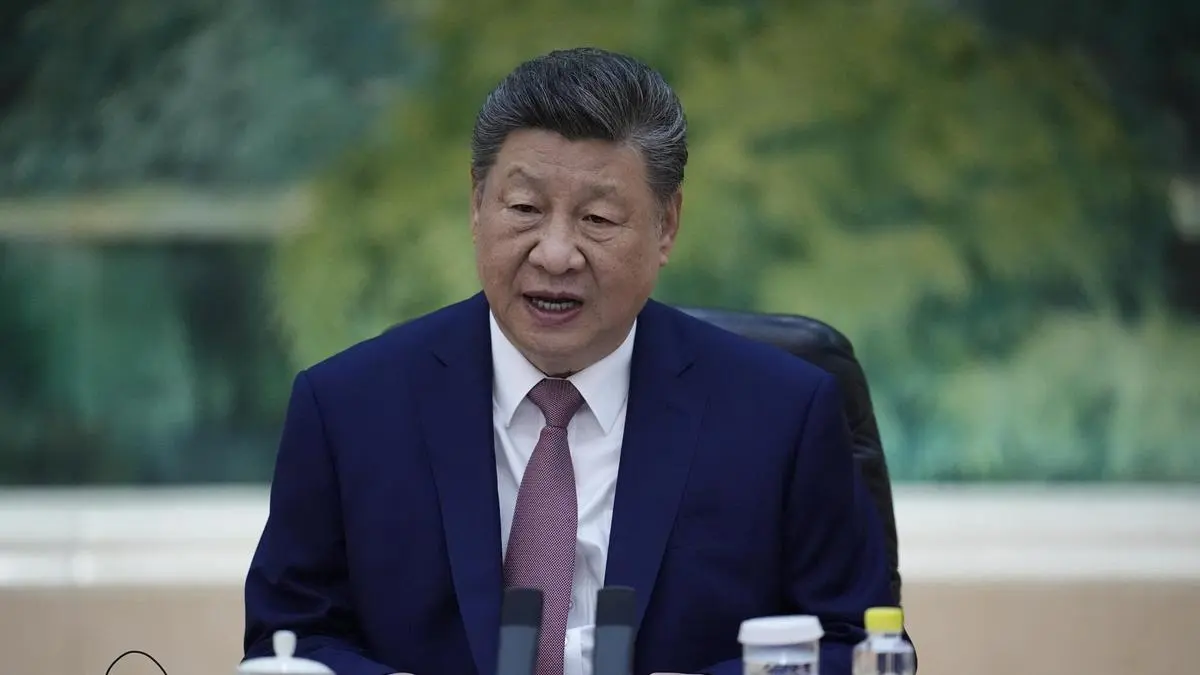
For China, the Strait of Hormuz is a lifeline. Roughly 40% of their oil imports flow through that tiny, 21-mile-wide neck of water. When Trump unilaterally decides who gets to pass and who doesn't, he’s not just "pressuring" Iran; he’s holding a knife to the throat of the Chinese industrial machine. Xi Jinping has spent seven weeks in uncharacteristic silence as this conflict brewed, but that silence just broke with a warning that the world order is "crumbling into disarray."
The Blockade That No One Saw Coming
While pundits were debating whether the U.S. and Iran would find common ground in Islamabad, Trump skipped the nuance and went for the jugular. The order issued to the U.S. Navy was specific: stop all maritime traffic entering or exiting Iranian ports. This isn't a total closure of the strait—at least not yet—but the ripple effect is just as chaotic.
Think about the logistical nightmare this creates for a country like China. They rely on "shadow fleets" and complex shipping routes to keep their refineries humming. Now, those ships are being intercepted, diverted, or captured. The White House is framing this as a "masterstroke" of leadership, but from a Beijing boardroom, it looks like an act of economic war.
Why Beijing is Furious
China isn't just worried about the price of gas at the pump. Their entire manufacturing sector relies on the stability of energy costs.
- Energy Deficit: China imports more oil than any other nation.
- Strategic Reserves: While they have been hoarding oil, even the massive Chinese reserves can’t sustain a long-term shutdown of their primary supply route.
- Geopolitical Face: Xi cannot afford to look weak. If he allows the U.S. to dictate the terms of Chinese energy access, he loses "face" both domestically and globally.
Beijing's Foreign Ministry didn't mince words, calling the blockade "dangerous and irresponsible." That’s diplomat-speak for "you’re playing with fire."
The Surreal Logic of Truth Social Diplomacy
In typical fashion, Trump is telling a completely different story on social media. He’s claiming that Beijing is actually "very happy" about the blockade because it "permanently opens" the strait. He even went as far as to say Xi Jinping agreed to stop sending weapons to Iran and that the two will share a "big, fat hug" when they meet in a few weeks.
It’s a bizarre disconnect. On one hand, you have the U.S. Navy physically stopping ships and Chinese diplomats blasting the move as a threat to global peace. On the other, you have Trump projecting an aura of "all is well" and personal chemistry. Don't fall for the theater. This is classic Trump leverage. He’s creating a massive crisis so he can "solve" it at the summit table in exchange for massive trade concessions.
The Rare Earths Counterpunch
If Trump thinks he has all the cards, he’s forgetting about the "dirt" that runs the modern world. China controls about 90% of the permanent magnets made from rare earth minerals. These are the components in everything from F-35 fighter jets to the electric motors in your neighbor's Tesla.
If this Hormuz blockade continues to hurt the Chinese economy, expect Xi to pull the plug on exports. We saw a version of this in the previous trade wars, but this time the stakes are higher. A total cutoff of rare earths would cripple American manufacturing faster than a shipping delay in the Gulf.
A Summit Built on Shaky Ground
The upcoming May summit was supposed to be a "grand bargain" to reset the U.S.-China relationship. Instead, it's looking like a collision course.
The U.S. is betting that China will blink first. The theory is that if the U.S. hits China’s oil supply, Beijing will be forced to drag Iran to the negotiating table. It’s a risky "pass the buck" strategy. As Wang Yiwei, a former Chinese diplomat, pointed out, it looks like Washington is blaming Beijing because they can't win the war with Iran on their own.
The Reality of the "Big Fat Hug"
Don't expect much hugging in Beijing. The mood in Washington is darkening, too. Treasury Secretary Scott Bessent has been calling China an "unreliable partner" for hoarding oil, and trade officials are already prepping new tariffs.
The most likely outcome? A tense, transactional meeting where both sides try to save face without actually resolving the underlying conflict. Trump wants to look like the strongman who tamed the Middle East and China in one go. Xi wants to ensure his country doesn't go dark because of a naval blockade he didn't agree to.
Practical Realities for Global Markets
If you're watching your portfolio or running a business, the next few weeks are critical. The Strait of Hormuz isn't just a point on a map; it's the heart of the global economy.
- Watch the Tanker Rates: Shipping insurance and freight costs are going to skyrocket. Even if your goods aren't coming from the Middle East, the global shipping pool is shrinking.
- Energy Volatility: Expect wild swings in oil and LNG prices. The U.S. might be "energy dominant," but we aren't immune to global price shocks.
- The Rare Earth Ripple: Keep an eye on tech and automotive sectors. Any hint of a Chinese export ban on minerals will send those stocks into a tailspin.
This isn't just a "showdown" between two leaders. It's a fundamental shift in how global trade routes are policed. Trump is betting the house that he can use the U.S. Navy to rewrite the rules of the road. Xi is betting that the world can't afford to let him.
Pay attention to the maritime tracking data over the next 48 hours. If we see a direct encounter between a U.S. destroyer and a Chinese-flagged tanker, the "big fat hug" in Beijing will be the last thing on anyone's mind. Get your supply chains diversified and your energy hedges in place now. The "temporary" blockade is already looking a lot more permanent than anyone expected.