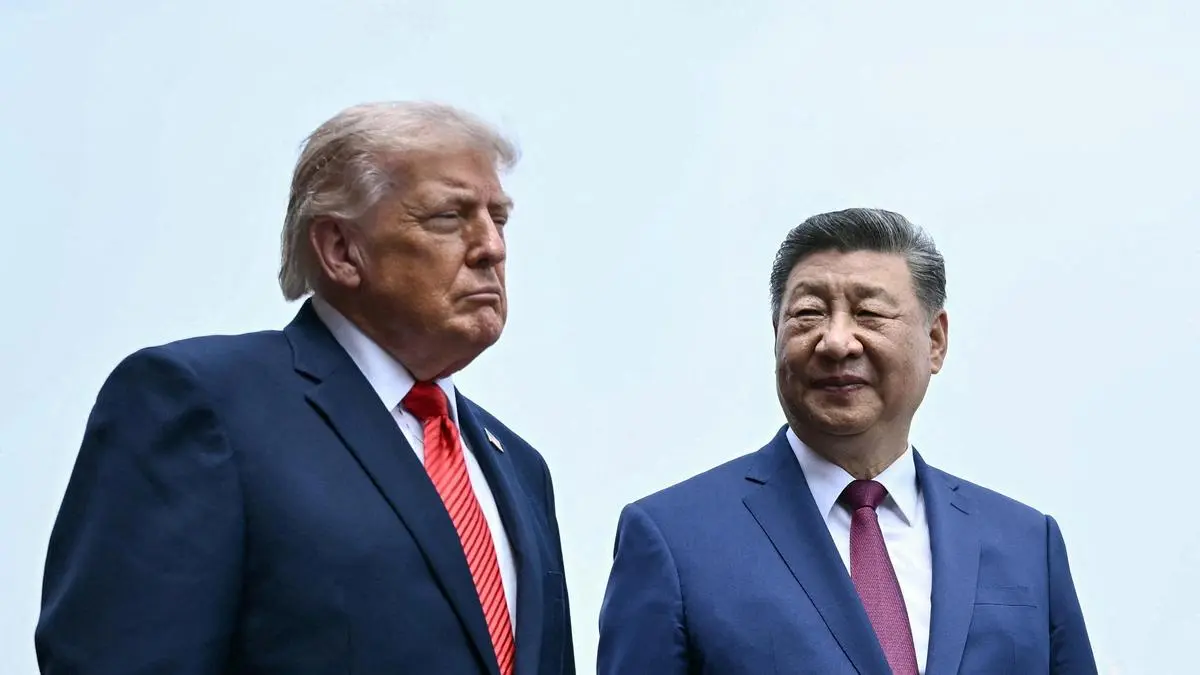
The global economy has been holding its breath for eleven weeks, watching the Strait of Hormuz turn into a military no-go zone. If you’ve filled up your tank lately or looked at your heating bill, you know exactly what I’m talking about. But today’s meeting in Beijing between Donald Trump and Xi Jinping actually gave us something we haven't seen in months: a shared script.
The two leaders just wrapped up over two hours of high-stakes talks, and the readout is surprisingly unified. They’ve agreed the Strait of Hormuz must remain open. For a pair that usually spends their time slapping tariffs on each other or arguing over AI chips, this sudden alignment tells you just how desperate the energy situation has become.
The Trillion Dollar Bottleneck
You can't overstate how much this tiny stretch of water matters. It’s the throat of the global oil trade. Since the conflict between the U.S., Israel, and Iran flared up, the waterway has been effectively paralyzed. We aren't just talking about a few delayed tankers; we’re talking about a fifth of the world’s oil and gas supply sitting behind a digital and physical blockade.
While the U.S. has been focused on the military side of the Iran standoff, China has been quietly suffering the economic consequences. Xi isn't doing this as a favor to Trump. China buys a massive amount of its oil from the Middle East—specifically from Iran. When the Strait shuts down, China’s industrial engine starts to sputter. That’s the real reason Xi is suddenly willing to sit down and talk about "freedom of navigation."
What Actually Happened in Beijing
Today's summit wasn't just about optics. There were some concrete shifts that will impact the market by the time the opening bell rings tomorrow.
- Nuclear Red Line: Both leaders explicitly stated that Iran can never have a nuclear weapon. This gives Trump the international backing he needs to keep the pressure on Tehran without looking like a lone wolf.
- The Toll Road Takedown: Reports surfaced today that Iran has been trying to charge "tolls" for passage through the Strait. Xi came out swinging against this, opposing the "militarization" and any effort to tax global energy transit.
- The American Oil Pivot: In a move that probably made Trump grin, Xi expressed interest in buying more American oil. This isn't just about trade balances; it’s about China trying to hedge its bets so it isn't so vulnerable the next time the Middle East catches fire.
Honestly, the most interesting part of this meeting wasn't what they said about Iran, but how they’re using Iran to fix their own relationship. Trump is using China’s hunger for energy as a lever to get them to pressure Tehran. Xi is using the crisis to secure better deals on tech and trade. It’s a cynical, messy, and totally necessary bit of diplomacy.
The Shadow of Taiwan and Tech
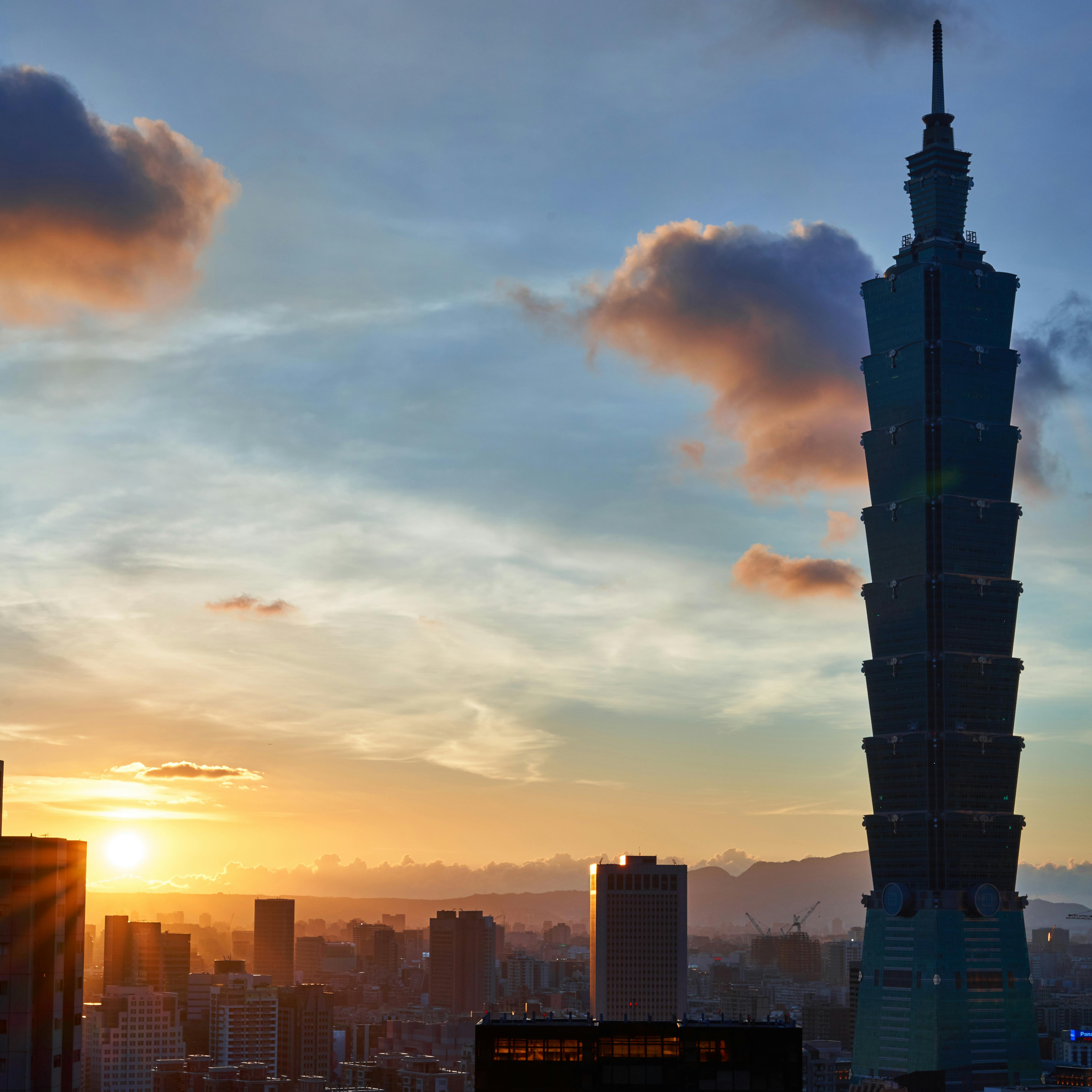
Don't let the "agreement" on Iran fool you into thinking everything is sunshine and roses. While they found common ground on the Strait, the room got a lot colder when the topic shifted to Taiwan. Xi warned of "clashes" if that situation isn't handled carefully, especially with Trump’s record-breaking arms sales to the island.
Then there’s the AI war. While the world worries about oil, Washington and Beijing are still fighting over who gets the best Nvidia chips. They’re talking about "guardrails" for AI in the military, but let’s be real: neither side wants to blink first.
Why This Matters for You
If you’re wondering why a meeting in Beijing matters to your wallet, look at the Brent Crude charts. The moment the White House released the statement about the Strait staying open, the market started to react. Stability in the Hormuz means lower insurance premiums for tankers, which eventually means less pain at the pump.
But there’s a catch. Iran’s "safe corridor" for Chinese ships—which we saw in action today with the tanker Yuan Hua Hu—shows that Tehran is still trying to pick winners and losers. If the U.S. and China can't force a universal reopening, we’re looking at a fragmented energy market where some countries get cheap oil and everyone else pays a "war tax."
What to Watch Next
The talk is over, now we see the action. Watch the naval movements in the Gulf of Oman over the next 48 hours. If China actually uses its influence to tell Tehran to back off the toll-collecting and harassment, we might see the first real de-escalation of this war.
If you’re an investor or just someone trying to plan a budget for the rest of 2026, keep your eyes on the shipping data. Look for an increase in non-Chinese flagged vessels attempting the transit. If they pass through without being "taken" or harassed by drones, the Trump-Xi deal is working. If not, today was just expensive theater.
The next big indicator will be the official trade numbers on U.S. crude exports to China. If those start to climb, it’s a sign that Xi is serious about de-risking from the Middle East—and that gives the U.S. a lot more room to breathe in its foreign policy.
:max_bytes(150000):strip_icc():focal(819x186:821x188)/Murdaugh-Family-e90854a716884d608fb6fd925e18d840.jpg)
