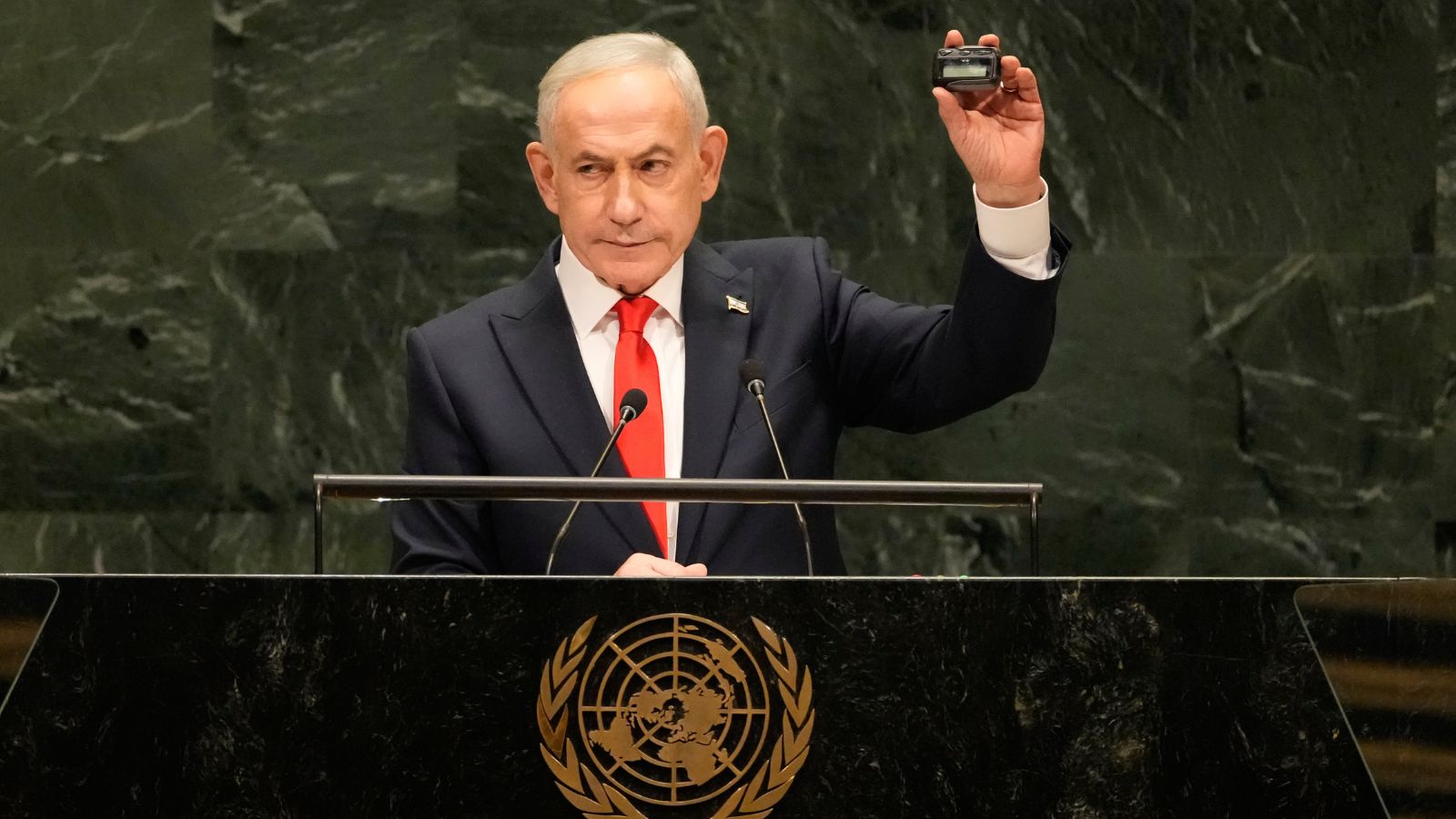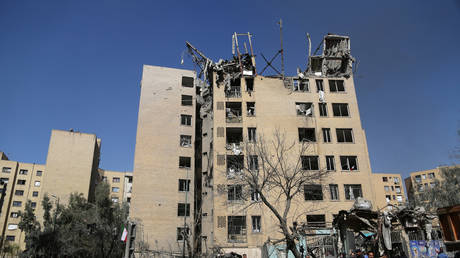
The foreign policy establishment loves a predictable script. When Axios and other mainstream outlets breathlessly reported that Washington insiders expect Donald Trump to launch a major military escalation against Iran now that the midterm elections are in the rear-view mirror, they missed the forest for the burning oil fields. They are looking at the map through a twentieth-century lens, waiting for thunderous carrier strikes and amphibious landings that belong in history textbooks rather than modern strategy rooms.
The lazy consensus says Trump needs a post-election war to validate his tough-guy credentials or deflect from domestic ballot box setbacks. It is a shallow narrative built by analysts who mistake tactical noise for strategic intent. Meanwhile, you can explore similar developments here: Why South Korea Wants an Apology From Ukraine Over North Korean POWs.
Trump is not going to resume a full-scale shooting war with Tehran because he doesn't need to. He already broke their economic engine, captured the narrative on energy flows, and locked down the Strait of Hormuz. Pounding concrete bunkers in Isfahan doesn't move the needle anymore; choking off financial oxygen does.
The Myth of the Inevitable Escalation
For months, pundits have operated under the assumption that foreign policy operates on a binary switch: either you sign a comprehensive grand bargain or you drop ordnance. That is a false choice designed to keep think-tanks employed. To see the bigger picture, check out the excellent analysis by The New York Times.
Look at the actual mechanics of the current standoff. The White House realized months ago that traditional military occupations and prolonged bombing campaigns are political suicide at home, especially when inflation and fuel prices are weaponized by voters. The notion that a bruised administration looks at a congressional midterm setback and responds by opening a new multi-billion-dollar theater of war ignores every instinct Trump has shown in office.
Instead of an all-out war, Washington has settled into a brutal, low-visibility posture of permanent economic strangulation. They have frozen the funds, locked down maritime choke points, and outsourced the local management of regional deterrence to Gulf allies who are more than happy to keep Tehran contained without American boots on the ground.
Why Tehran Cannot Afford to Call the Bluff
The conventional wisdom inside foreign ministries in Europe is that Iran holds all the cards because they can disrupt global energy supplies at will. That view is detached from reality.
Imagine a scenario where Tehran attempts a massive escalation in the Strait of Hormuz. In 2026, the cost of maritime insurance, the presence of integrated regional air defenses, and the sheer volume of alternative overland pipelines mean that an Iranian blockade no longer causes global panic—it causes localized economic asphyxiation for Iran itself.
The Iranian regime is currently trapped inside a domestic feedback loop of severe social unrest, currency collapse, and internal regime paranoia. They cannot sustain a high-intensity conventional conflict against a modern coalition that prefers to starve their treasury rather than flatten their cities. When foreign ministers pack their bags for emergency talks in Doha or Geneva, they aren't negotiating a lasting peace; they are begging for permission to sell enough oil to keep the lights on in Tehran.
The Real Strategic Game
The administration’s actual play isn't a massive second wave of airstrikes; it is the weaponization of the stalemate. By declaring that the United States "does not need a deal," Trump short-circuited the traditional diplomatic dance. He took away Tehran’s leverage by pocketing their financial assets and asserting direct control over the economic terms of navigation.
When officials talk about "maintaining pressure," they aren't signaling an impending blitz. They are codifying a new doctrine of asymmetrical exhaustion. You do not need to drop bombs when the opponent's financial system is bleeding out internally from the weight of its own isolation.
The media wants a dramatic sequel to a Hollywood war because peace or managed cold conflicts don't generate clicks. But strategy isn't written for headline writers. Trump has already achieved his primary objective: neutralizing the nuclear threat profile while keeping American exposure to a minimum.
Stop waiting for the missiles to fly. The war everyone is watching ended the moment the money ran out.