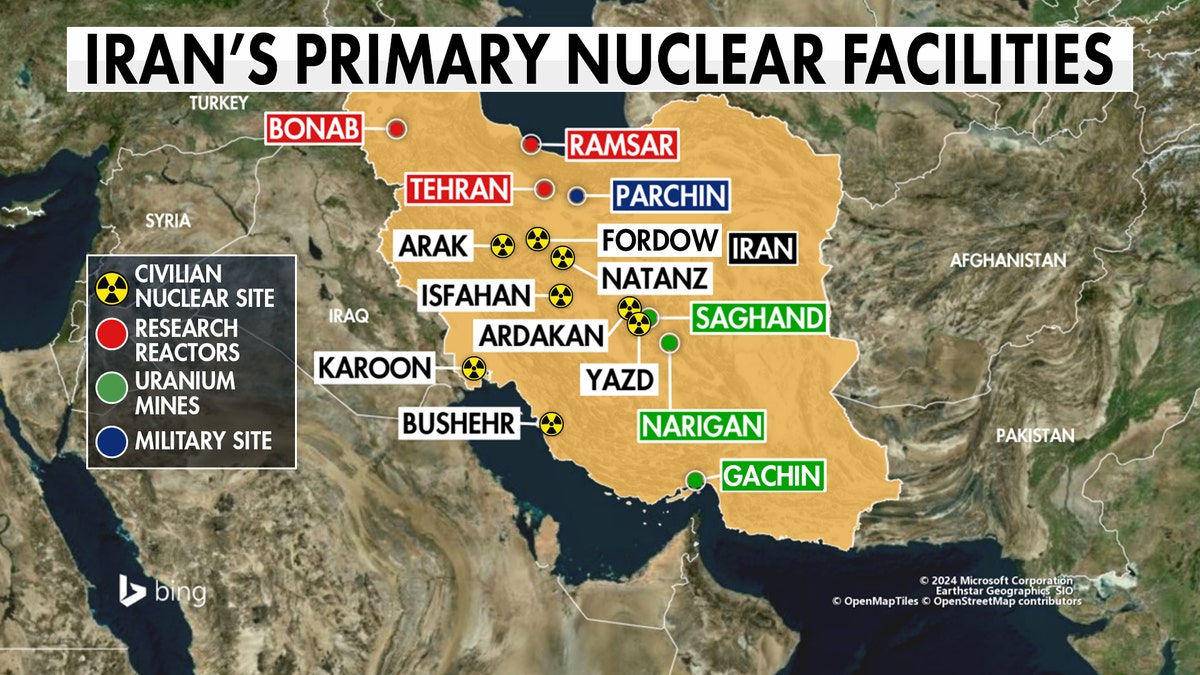
Donald Trump isn't interested in diplomatic niceties or the ghost of the 2015 nuclear deal. He's talking about excavators. Big ones. Specifically, he's demanding that Iran hand over its entire stockpile of enriched uranium—what he’s calling "nuclear dust"—or face a "much more unfriendly" alternative. This isn't just a tough-guy posture for a campaign rally; it’s the centerpiece of a high-stakes standoff that has the Middle East on a knife-edge in April 2026.
If you’re wondering why "dust" is the word of the day, it's because Trump claims recent military strikes by B-2 bombers and Israeli forces have turned Iran’s sophisticated underground facilities into literal rubble. He wants that material out of the country and on American soil. Period. No half-measures, no 20-year sunsets, and, according to him, definitely no $20 billion payouts. Discover more on a connected subject: this related article.
The Excavator Doctrine
Trump’s latest comments aboard Air Force One and at recent rallies in Arizona and Nevada paint a vivid, if unconventional, picture of international diplomacy. He’s telling the world that the U.S. and Iran will go in "together" with massive machinery to dig up deeply buried material. It sounds more like a construction site than a disarmament treaty.
But there’s a massive "if" attached. More analysis by USA Today explores related views on the subject.
If Iran doesn't play ball with this "friendly" joint excavation, Trump warned the retrieval will happen in a "much more unfriendly form." Translation? The current blockade on Iranian ports stays, and the bombs start falling again. Defense Secretary Hegseth backed this up, point-blank, stating that the alternative to a deal is "blockade and bombs dropping on infrastructure, power, and energy."
What Exactly Is Nuclear Dust
When the President talks about "nuclear dust," he’s referring to highly enriched uranium (HEU). Before the recent escalation in early 2026, Iran was known to have a significant stockpile of uranium enriched to 60%. That’s dangerously close to the 90% "weapons-grade" threshold.
Trump’s narrative is that the U.S. "Epic Fury" strikes in February 2026 effectively ended Iran’s ability to manufacture new missiles or enrich more fuel. He believes the material is now sitting in ruined bunkers.
- The Demand: 100% of the material must be shipped to the USA.
- The Leverage: A total naval blockade of the Strait of Hormuz.
- The Timeline: The current two-week ceasefire expires next week.
Tehran, for its part, is sending mixed signals. Their UN ambassador talks about being "cautiously optimistic," while their nuclear chief, Mohammad Eslami, insists enrichment can't be stopped. It’s a classic squeeze. Trump is betting that the Iranian regime is desperate enough for sanctions relief and an end to the blockade that they’ll literally let him dig up their crown jewels.
The No Money Policy
One of the biggest friction points right now isn't just the uranium—it’s the price tag. Reports have been swirling about a $20 billion "cash for dust" arrangement. Trump has been aggressive in shutting that down. "No money is changing hands," he told reporters.
This is a direct jab at the Obama-era JCPOA, which Trump has long loathed. He wants the material, the "regime change" (which he’s now calling "productive regime change" following the recent internal Iranian turmoil), and he wants it all for the price of not dropping more bombs. It’s a "zero-dollar" diplomacy that sounds great to his base but makes the actual negotiations in places like Islamabad incredibly tense.
Why This Matters Right Now
We’re at a point where the "slow burn" of the Iran nuclear issue has turned into a flashpoint. The U.S. isn't just asking for inspections anymore; it’s asking for physical possession of the fuel.
- The Blockade: Iranian ports are effectively closed. This is strangling what’s left of their economy.
- The Military Presence: The Space Force is reportedly keeping "exacting satellite surveillance" on every gram of that "dust."
- The Regional Stakes: With a 10-day truce between Israel and Lebanon also in play, the U.S. is trying to force a total reset of the Middle East power structure in one go.
Honestly, the risk here is huge. If Trump doesn't get his "friendly" excavation, the "unfriendly" version likely means a full-scale return to hostilities. He’s basically saying the U.S. is going to get that uranium one way or another. Either it comes out in a shipping container, or it stays buried under more tons of concrete and fire.
Practical Reality Check
Don't expect a smooth "handover" ceremony tomorrow. Even if a deal is reached, moving highly enriched uranium is a logistical and security nightmare. It requires specialized shielding, international monitors (though Trump seems to prefer U.S. boots on the ground), and a complete stop to Iranian centrifuges.
The next few days are the "put up or shut up" moment. If you see news about Trump flying to Islamabad, a deal is likely signed. If the ceasefire expires without a signature, the "unfriendly" phase begins. Watch the Strait of Hormuz. If the blockade tightens or if there are reports of mines being cleared, you'll know which way the wind is blowing. Keep an eye on the official White House briefings and the rhetoric coming out of Tehran's speaker of parliament, Mohammad Bagher Ghalibaf. They're the ones holding the shovel—or the fuse.