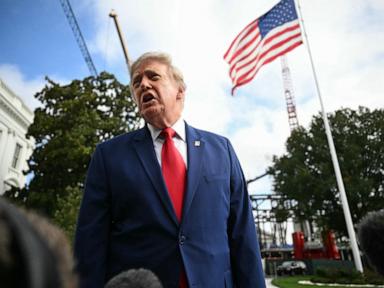
President Donald Trump signing a sweeping waiver on Graham Act sanctions on Russia isn't just a routine diplomatic move—it's a head-spinning reversal that happened barely a month after he signed the law itself. On September 18, 2026, Trump signed the Lindsey O. Graham Sanctioning Russia and Iran Act of 2026 into law. Then, on October 16, 2026, he issued Executive Order 14436, invoking national-interest authority under Section 115 of the Act to waive its new Russia-related tariffs, duties, and sanctions with no set expiration date.
If you're trying to make sense of what actually changed, here's the bottom line. The waiver puts new tariffs—including a proposed 500 percent duty on Russian goods and up to 100 percent duties tied to major buyers of Russian energy—and fresh sanctions provisions on hold. Yet older executive-order-based sanctions and existing compliance rules haven't vanished overnight. Also making news recently: Why Courtroom Dismissals in Celebrity Cases Are Never What They Look Like.
That distinction trips up almost everyone. People hear "sanctions waived" and assume businesses can suddenly rush back into Moscow with zero legal risk. Wrong. Dead wrong.
How the Graham Act and the Waiver Collide
To understand why this move is so dramatic, you have to look at the tug-of-war between Congress and the White House. Named for the late Senator Lindsey Graham, the legislation was designed to lock in sanctions on Russia, target shadow-fleet vessels and energy transport, restrict energy investments and exports, and extend the Iran Sanctions Act of 1996 through 2031. Lawmakers wanted to curb the revenue Moscow uses to fund its war in Ukraine and limit how easily a president could unwind sanctions alone. Further information regarding the matter are covered by The Guardian.
Congress built a trapdoor into the statute, though. Section 115 gave the president broad waiver power on national-interest grounds.
When Trump signed Executive Order 14436, he pulled that lever hard. Rather than letting the new waves of penalties and steep tariffs slam into global trade, he waived their application. Policy analysts have pointed to energy pricing pressures and pre-midterm political calculations as major drivers behind easing restrictions on Russian energy flows, while the administration framed the move around national interests.
Even with the waiver in place, the statute didn't evaporate. The Office of the U.S. Trade Representative still faces monitoring duties around Russian energy purchases, and the underlying legal framework stays on the books through September 18, 2031 unless Congress alters or renews it.
What Actually Changed vs. What Still Bites
Here is where hands-on compliance experience separates careful operators from people who get burned. When a new sanctions law gets waived right after enactment, companies often misread the headline and treat it as a green light for broad commerce.
In reality, the legal terrain is a patchwork:
- New Graham Act duties and sanctions are paused: Tariffs and new restrictions authorized under the Act's Russia provisions have been waived under Executive Order 14436.
- Diesel transactions got a specific window: Earlier in October 2026, following Trump's announcement of an agreement with President Vladimir Putin to secure Russian-origin diesel fuel, the Treasury Department's Office of Foreign Assets Control (OFAC) issued General License 135. That license covers specific transactions tied to Russian-origin diesel sales, delivery, offloading, or imports through April 7, 2027.
- Older sanctions programs haven't disappeared: Long-standing restrictions—including sanctions on designated banks like Sberbank, VTB, Gazprombank, and the Central Bank of Russia, plus bans on certain sovereign debt and pre-existing executive order frameworks—still require careful screening.
- Russia is pushing back on its own terms: Moscow has expanded "temporary administration" countermeasures, placing more foreign-owned Russian subsidiaries under state-appointed control. So even if Washington steps back on a tariff, Kremlin retaliation can still trap corporate assets.
Think about what that means for an importer or logistics manager. Suppose a trader hears that Graham Act sanctions on Russia were waived and books cargo involving a vessel or bank still restricted under pre-existing sanctions or sectoral rules. The waiver won't magically shield that transaction from separate OFAC enforcement or bank de-risking.
Why Analysts Debate the Bigger Picture
Nobody agrees on what this means long-term, and being honest about that uncertainty matters. Supporters of the waiver argue that keeping energy markets from spiking and preserving presidential negotiating room serves U.S. economic and strategic interests. Critics counter that waiving mandatory sanctions blunts pressure on Moscow right when leverage matters most, and warn that a shifting Congress could try to tighten the statutory leash again.
Both sides have a point because sanctions policy in 2026 sits right at the fault line between executive discretion, congressional pushback, and volatile commodity markets. Watching how Washington and Moscow move next isn't simple—it's messy, contested, and fast-shifting.
Practical Steps If You Track Trade or Policy
If you're following this for business, investing, or policy work, don't rely on secondhand summaries of a headline.
- Read the primary texts directly: Check the text of Executive Order 14436 on the White House site alongside legal analyses from firms like Holland & Knight or Cleary Gottlieb to see which sections were waived versus preserved.
- Verify license scope and dates: If diesel or energy logistics are on your radar, check the exact terms and expiration date (April 7, 2027) of OFAC General License 135 rather than assuming blanket permission.
- Screen every counterparty and vessel: Run full checks against active OFAC lists, financial institution restrictions, and Russian corporate countermeasure risks before signing a contract or moving funds.
- Watch Congress and energy reports: Track U.S. Trade Representative monitoring reports and post-midterm legislative moves, since lawmakers can still debate statutory changes even without a veto-proof override.