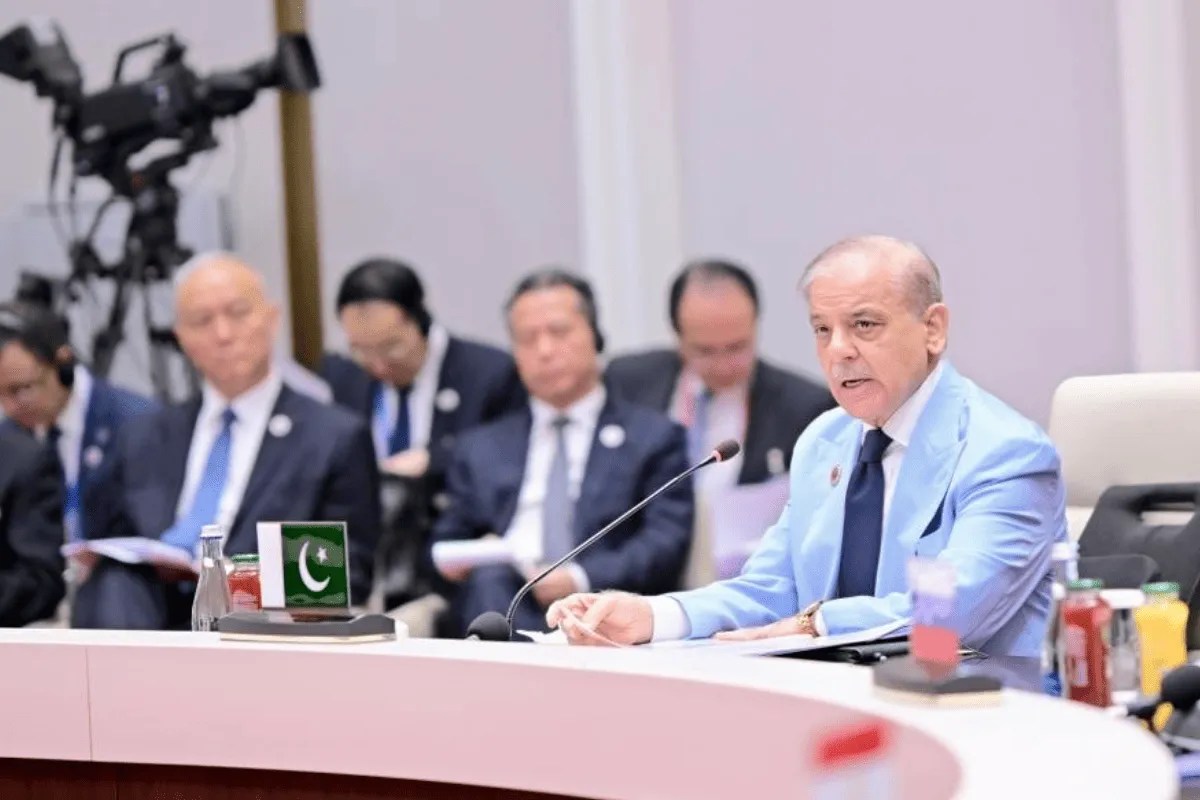
Washington and Tehran are locked in a high-stakes standoff once again. Donald Trump recently shot down a proposed seven-day ceasefire and maritime framework put forward by Iranian officials, opting instead to keep maximum pressure on the table. According to reports from the Wall Street Journal, the rejection signals that the White House isn't buying Tehran's current diplomatic overtures, especially with critical domestic political milestones looming.
If you look past the standard diplomatic statements, the core issue comes down to timing, leverage, and the strategic control of vital shipping lanes like the Strait of Hormuz. Tehran wanted a phased de-escalation that would ease crippling economic pressures, but Washington calculated that keeping the squeeze on yields better long-term cards.
The Anatomy of the Rejected Deal
The proposal itself sounded straightforward on paper. Iranian intermediaries floated a framework designed to halt regional hostilities and gradually reopen maritime traffic through the Strait of Hormuz over a tight seven-day window. For a global economy heavily reliant on Gulf energy transit, any hint of reopening those chokepoints catches immediate attention.
Yet, the administration balked. Why? Because trusting a compressed timeline without verified structural concessions rarely works out in practice. Trump's foreign policy team views short-term pauses as tactical breathing room for hardliners rather than genuine steps toward peace.
- The Stated Terms: A week-long cessation of regional friction matched with phased maritime openings.
- The Underlying Trap: Washington worries about preserving dwindling munitions and maintaining strict economic blockades.
- The Domestic Angle: Political calculations ahead of the U.S. midterm elections heavily influence how foreign policy moves play out in real time.
Internal Friction Inside Iran
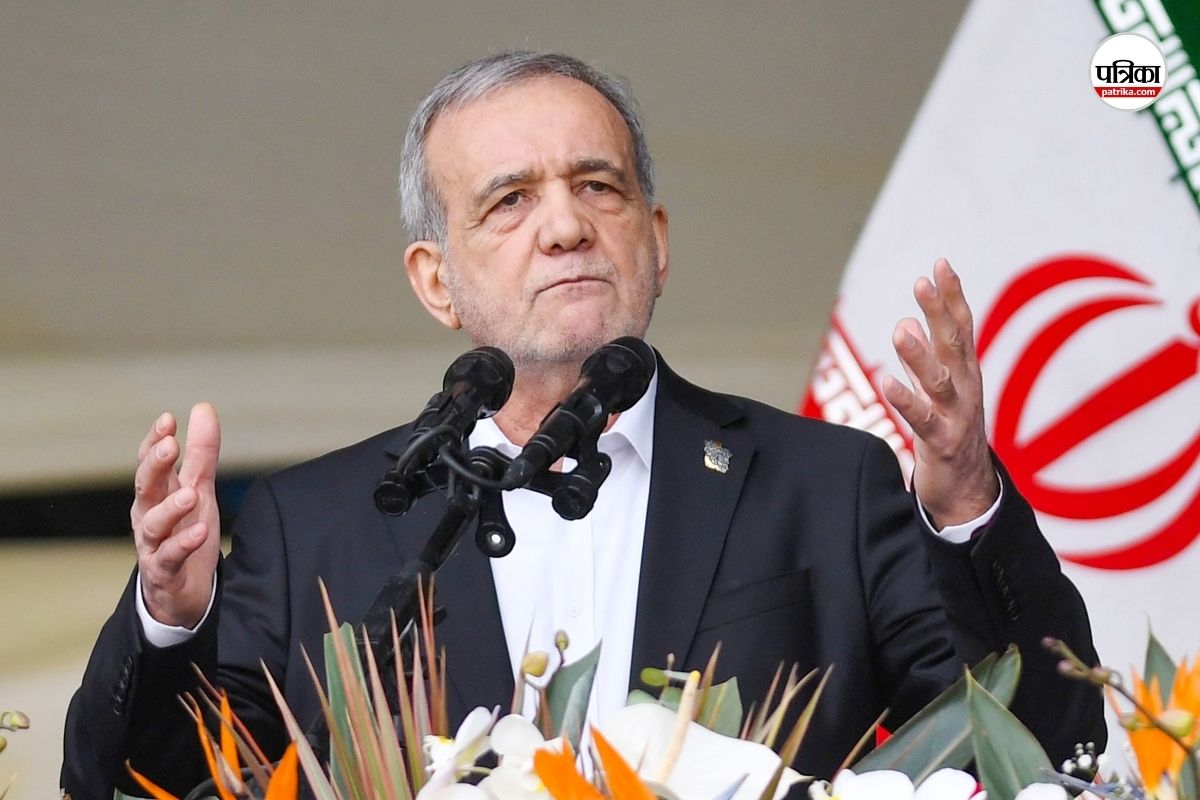
What makes this rejection even more volatile is the fierce domestic backlash heating up inside Tehran. Iranian President Masoud Pezeshkian and Foreign Minister Abbas Araghchi have faced intense domestic crossfire from hardline factions. Whenever administration figures signal flexibility on nuclear enrichment caps or regional compromises, domestic security hardliners push back aggressively.
This internal tug-of-war makes negotiating with Tehran a moving target. U.S. officials argue that dealing with a fractured leadership structure where moderates float proposals that hardliners immediately denounce makes durable agreements nearly impossible.
"When one side talks compromise while security networks threaten regional escalation, foreign capitals stop taking preliminary drafts seriously."
What Comes Next for Oil and Regional Security
Markets hate uncertainty, and this standoff guarantees plenty of it. Trump has dropped heavy hints that major military or economic pressure points could ramp up again once domestic electoral hurdles clear. At the same time, maintaining a stance of permanent economic siege carries its own regional blowback, pushing shipping costs higher and forcing secondary supply chains to adapt.
Don't expect a sudden breakthrough. Both sides want a deal on their own absolute terms, and neither is willing to blink first. Until one side exhausts its strategic runway, expect more posturing, tighter aviation sanctions, and a tense standoff across the Persian Gulf.
Trump Rejects Iran’s Seven-Day Ceasefire Plan
This video provides an overview of the Wall Street Journal report detailing the rejection of Iran's ceasefire proposal and the broader strategic implications for Washington and Tehran.