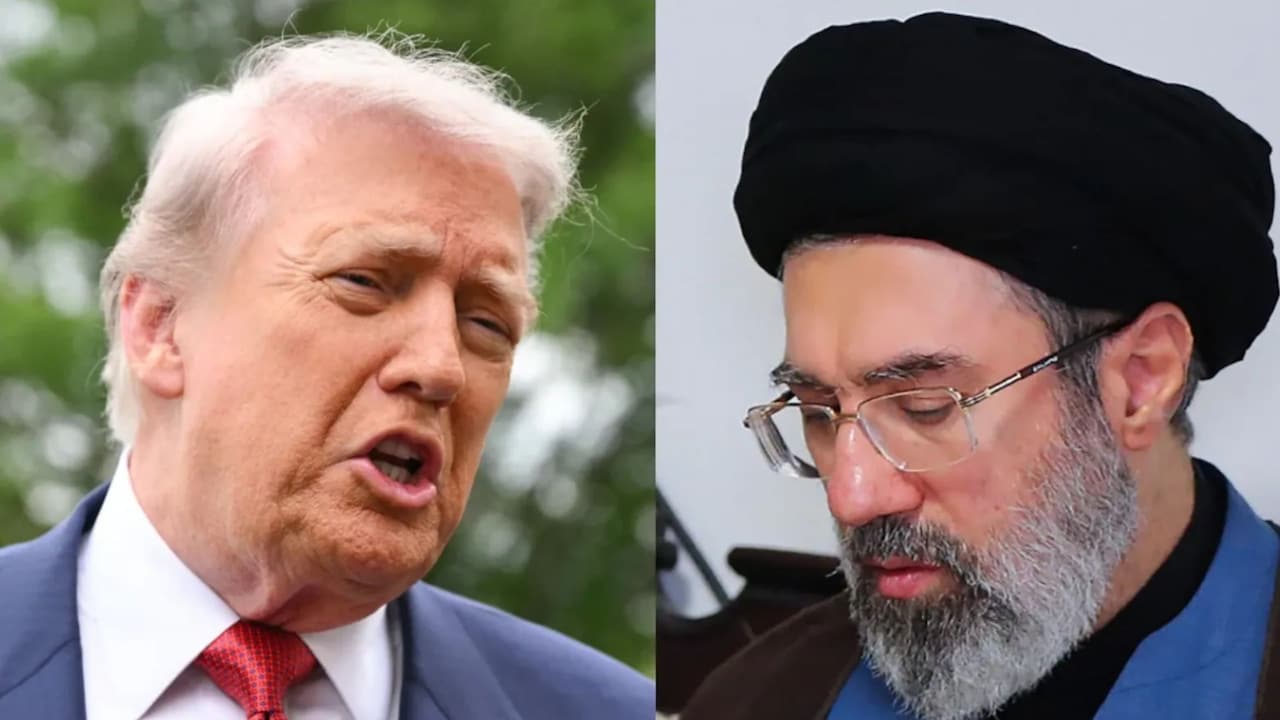
Donald Trump recently told reporters that Iran desperately wants an agreement with Washington, but Tehran simply isn't ready to accept the terms that the White House demands. It's a high-stakes standoff defining the current geopolitical climate. Nearly six months into a bruising conflict that has severely damaged infrastructure and choked off commerce, both nations remain locked in a battle of wills over the Strait of Hormuz and regional stability.
If you're trying to figure out what's actually happening behind the political posturing, you have to look past the headlines and examine the economic leverage both sides are wielding. Trump insists that tightening economic operations and a heavy maritime presence give Washington total control over the region. Meanwhile, Tehran pushes back, arguing that previous memorandums were ignored and that external pressure campaigns are bound to fail.
The Economic Pressure Cooker
The administration isn't relying solely on military postures right now. Instead, the strategy leans heavily into aggressive financial isolation. Treasury officials are preparing what they describe as the most severe economic operation ever unleashed against Tehran, targeting oil smuggling networks, front companies, and foreign trade lifelines.
Trump pointed to extreme internal strains inside Iran to justify the hardline approach. He claimed sky-high inflation and mounting financial pressure have crippled regular administrative functions.
- Oil loadings have plummeted to a fraction of prewar numbers.
- Maritime data shows commercial traffic through the Strait of Hormuz remains severely down compared to normal periods.
- Regional actors like Oman have found themselves caught in diplomatic crossfire over waterway management.
Yet, Iran's leadership continues to project defiance. Iranian Foreign Minister Abbas Araghchi dismissed the latest rounds of economic warfare as a recycled strategy that failed under previous administrations and will fail again. Parliament Speaker Mohammad Bagher Qalibaf has maintained that Tehran will not fully reopen the strategic waterway until Washington fulfills prior commitments, including lifting sanctions and releasing frozen assets.
Control of the Strait of Hormuz
At the heart of this conflict lies the geography of energy shipping. Trump maintains that American forces hold absolute command over the Strait of Hormuz and surrounding land sectors, creating a tight maritime blockade.
Real-world tracking data tells a more complicated story. While military patrols and CENTCOM interventions have reshaped traffic patterns and escorted select tankers, commercial confidence is far from restored. Shippers are still navigating immense security risks, keeping volumes drastically depressed.
Hardliners within Iran, including Basij chief Hossein Taeb, have publicly warned the public against trusting any return to the negotiating table, labeling diplomatic overtures a potential deception. This internal friction between pragmatists wanting relief and hardliners demanding resistance makes a breakthrough exceptionally difficult.
Expect the White House to roll out its promised financial penalties shortly, keeping energy markets jittery and oil prices elevated. Until one side blinks or structural compromises are reached on nuclear enrichment and maritime access, the two countries will remain trapped in this volatile stalemate.