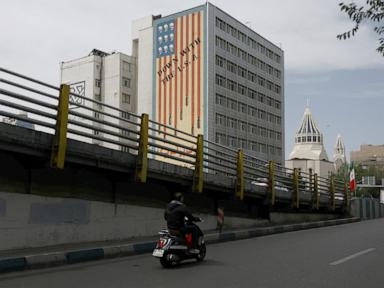
The fragile ceasefire in the Persian Gulf is hanging by a thread today. If you've been following the headlines, you know the cycle: a week of quiet, a flurry of diplomatic cables, and then a sudden explosion of rhetoric that resets the clock. On Sunday, May 10, 2026, the latest attempt to bridge the gap between Washington and Tehran hit a brick wall. Iran sent what it called a "serious" response to a U.S. peace proposal, only for President Donald Trump to dismiss it within hours as "totally unacceptable."
This isn't just another round of bickering. We're looking at a standoff that has throttled global shipping, spiked energy prices, and left the world wondering if the ceasefire signed last month was anything more than a breather for both sides to rearm. Learn more on a related issue: this related article.
The 14 point proposal and why it failed
Last week, the U.S. floated a one-page, 14-point memorandum of understanding. The goal was simple on paper: reopen the Strait of Hormuz and create a framework to deal with Iran's nuclear program. In exchange, the U.S. offered a path toward lifting the crushing naval blockade and easing some sanctions.
Tehran’s response, delivered via Pakistani mediators, didn't exactly meet the mark. According to reports from the semi-official Tasnim news agency, Iran's counter-proposal demanded: More journalism by The New York Times explores similar views on the subject.
- An immediate end to the U.S. naval blockade of the Strait of Hormuz.
- Full "war reparations" from the United States.
- Absolute Iranian sovereignty over the Strait.
- The release of all seized Iranian assets before permanent nuclear concessions.
Trump’s reaction on Truth Social was characteristically blunt. He called the Iranian representatives "so-called" and made it clear that the U.S. isn't in the business of paying reparations to a regime it believes it has already defeated.
The nuclear sticking point
The real divide is about the "stuff"—the highly enriched uranium (HEU) Iran has stockpiled. Israel’s Benjamin Netanyahu weighed in on 60 Minutes, making it clear that from his perspective, the war isn't over. He argued that as long as Iran has HEU, they have a path to a bomb. His solution? "You go in and you take it out."
The U.S. wants a 20-year moratorium on all uranium enrichment and for Iran to ship its entire HEU stockpile overseas. Iran’s counter-offer? A much shorter moratorium and a "dilution" of their stockpile rather than its removal. It’s a classic gap in trust. Washington wants the capability gone; Tehran wants to keep its leverage.
Why the ceasefire is fraying
While the diplomats are arguing, the situation on the water is getting ugly again. Over the weekend, several drones were reported in the airspace of Qatar, the UAE, and Kuwait. One drone even ignited a fire on a merchant ship off the coast. While no one has officially claimed responsibility, the UAE didn't hesitate to point the finger at Tehran.
The timing is terrible. We're seeing daily rolling blackouts across Iran due to electricity shortages, and the internal pressure on the regime is mounting. Some officials in Tehran, like Foreign Minister Abbas Araghchi, seem to be trying to play a "serious" hand at the negotiating table, but the hardliners in the Revolutionary Guard are still talking about opening "hell gates" on invaders.
What this means for your wallet and global security
If you think this is just a regional spat, check the price of oil. The Strait of Hormuz is the world's most important oil transit chokepoint. When Trump calls a peace offer "unacceptable," traders get nervous. We're seeing a direct correlation between these failed talks and the volatility in global energy markets.
The U.S. strategy right now is essentially "maximum pressure 2.0." By maintaining the naval blockade and threatening secondary sanctions on anyone buying Iranian petrochemicals, the administration is trying to force a total surrender. But Iran's response shows they’re not there yet. They’re still trying to negotiate from a position of strength, even if that strength is mostly just the ability to cause chaos in the shipping lanes.
The move that actually matters
Forget the long-winded diplomatic statements for a second. The real thing to watch is whether the IAEA gets back into those facilities. Rafael Grossi has been warning that without real verification, the risk of a "nuclear breakout" is higher than ever. If Iran continues to block inspectors while the peace talks stall, the military option Netanyahu is pushing becomes a lot more likely.
Expect more drone "incidents" in the Gulf this week. It’s the only way Tehran feels it can remind the U.S. that the cost of no deal is high. Meanwhile, keep an eye on the Pakistani mediators. If they head back to Tehran with a revised U.S. offer, there’s still a slim chance for the ceasefire. If they don't, that "unacceptable" label from Trump might be the final word before things get loud again.
Keep your eyes on the shipping insurance rates and the troop movements in Kuwait. Those are better indicators of where this is going than any press release from Tehran.