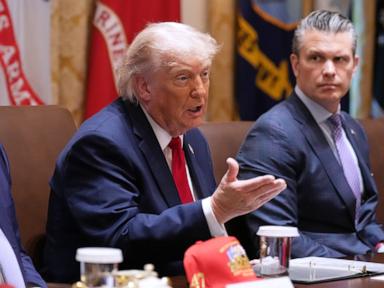
Don't buy into the illusion that a permanent Middle East peace is suddenly arriving on a silver platter. Washington and Tehran are haggling over fine print because the stakes are too high for quick handshakes. President Donald Trump announced that the United States is close to a very good deal with Iran, but he also left a two-hour Situation Room meeting without putting pen to paper. Why? Because the details matter, and Trump is pushing for late-stage amendments to ensure he holds all the cards.
This isn't about a sudden outbreak of diplomatic goodwill. It's about leverage, exhausted militaries, and the global economy choking on blocked energy routes. If you want to understand why a breakthrough is near, yet simultaneously stalling, you have to look at what both sides are secretly demanding behind closed doors.
The Reopening of the Strait of Hormuz is the Real Prize
Global oil markets are holding their breath. The biggest immediate impact of any signed pact isn't the nuclear architecture; it's the opening of a vital maritime choke point. Roughly one-fifth of the world’s energy supplies flow through the Strait of Hormuz. When the war erupted on February 28, the subsequent closure of this waterway threw international commerce into chaos, driving up fuel prices and testing global supply chains.
Trump stated that a successful agreement would lead to the immediate reopening of the Strait upon signing. The tentative framework under review suggests a 60-day extension of the current ceasefire. Under these terms, Iran would gradually clear its sea mines and allow international navigation to resume over the first 30 days without charging shipping fees.
But a sticking point emerged from Axios reporting that Trump wants to tighten the specific wording around how the waterway is managed. Tehran’s state-aligned Fars News Agency dropped a reminder that even under a pact, the Strait remains under Iranian management. Trump wants ironclad assurances that the US counter-blockade lifts only when American ships can pass without a hint of harassment.
The Enriched Uranium Friction Point
You can't talk about Iran without talking about nuclear weapons. Trump insists that preventing Tehran from acquiring a bomb is his ultimate red line. In his Saturday night interview on Fox News with Lara Trump, the President revealed a subtle change in the negotiation language that highlights his approach.
"They originally said we will not develop a nuclear weapon," Trump said. "I said, well, what happens if you buy a nuclear weapon? So now it says we will not develop or in any way purchase a military weapon. That's a big difference."
It sounds great on television, but the actual mechanics of their current stockpile tell a more complicated story. The US wants Iran to turn over its highly enriched uranium. This material is currently buried beneath the rubble of previous American airstrikes.
Trump wants the International Atomic Energy Agency (IAEA) to oversee the excavation and disposal of this material, either by bringing it to the US or destroying it in place. US officials admit Trump sent his envoys back to the table to demand more specific timelines on exactly how and when Washington takes control of that material. The Iranians have asked for three days to process these new American demands. They aren't thrilled about the shifting goalposts.
Militarily Defeated but Logistically Intact
A core piece of the White House narrative is that the US holds significant leverage because Iran's navy and air force are essentially gone. Defense Secretary Pete Hegseth echoed this sentiment at an international forum in Singapore, urging patience and reminding everyone that if Iran walks away, they will have to face the American military machine.
But the idea that Iran is completely defenseless is a miscalculation. While their conventional naval fleets took a massive beating from Operation Epic Fury, their regional asymmetric capabilities and missile stockpiles aren't entirely depleted. Mohammad Bagher Qalibaf, a prominent Iranian figure, explicitly stated on social media that Tehran gains concessions through missiles, not just talk.
The White House intentionally avoided wiping out Iran’s entire military apparatus. The administration targeted hardline elements and top commanders while leaving more moderate factions alive to have someone left to negotiate with. It's a calculated gamble. If the diplomatic track fails, Trump warned that the US will end the conflict a different way, hinting at a return to intense military pressure.
Why Hardliners on Both Sides Are Furious
This emerging deal is drawing fierce fire from conservative circles in Washington. Republican Senators Ted Cruz and Lindsey Graham aren't hiding their disappointment. Cruz publicly warned that leaving an Islamist regime in power with effective control over the Strait of Hormuz would make the entire war a disastrous mistake.
Critics like former National Security Adviser John Bolton claim the current terms hand the ayatollahs a victory. They hate the idea of eventual sanctions relief and the unfreezing of roughly $12 billion in Iranian assets held overseas.
On the flip side, Tehran faces its own internal fury. Hardliners inside Iran see the proposal to hand over or dilute enriched uranium as a humiliation. They are demanding immediate sanctions lifting and wartime reparations before executing any permanent nuclear rollbacks. They view Trump’s frequent late-stage revisions as a sign of American bad faith.
What Happens Next
The next 72 hours will determine whether this framework turns into a signed document or breaks down into renewed conflict. The Iranian leadership is currently debating Trump's latest amendments regarding the timing of uranium extraction and shipping safeguards in the Strait.
If you are tracking this situation for its impact on global trade, energy portfolios, or geopolitics, watch these specific indicators:
- Monitor the official response from the Iranian Foreign Ministry regarding the three-day window for the new US amendments.
- Keep an eye on Brent Crude spot prices; any sudden upward tick means traders suspect the Situation Room talks are stalling.
- Watch for any localized skirmishes in the Gulf region that could break the fragile ceasefire before the 60-day extension is locked in.
Don't expect a perfect, comprehensive peace treaty that solves every deep-rooted ideological divide in the Middle East. If signed, this pact is a highly transactional, security-focused roadmap designed to get ships moving and stop the immediate bleeding.