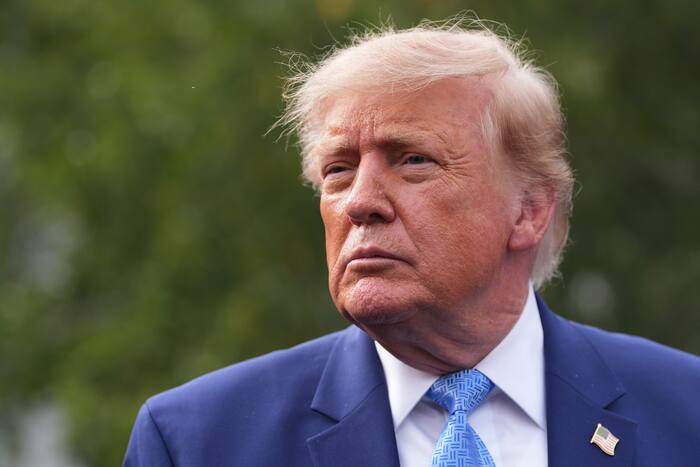
The pundit class loses its mind every time Donald Trump refuses to play the traditional script. When headlines erupted about Trump sidestepping questions on endorsing Benjamin Netanyahu ahead of foreign electoral cycles, the mainstream commentariat immediately diagnosed it as a fracture, a strategic blunder, or a sign of transactional fatigue.
They are dead wrong.
What the media frames as an evasion is actually a masterclass in leverage. For decades, foreign policy establishment types have operated under a lazy consensus: American presidents must write blank checks of unconditional public endorsement to foreign leaders the moment domestic political cycles heat up. If you hesitate, you are called isolationist, erratic, or hostile to old alliances.
This is amateur hour diplomacy.
Let us look at how actual power operates. Trump knows something the career state department bureaucrats refuse to admit. When you hand a foreign leader an unconditional public endorsement before an election, you strip away your own leverage and tie your credibility to their domestic ballot box misfortunes. You become a hostage to their political survival.
Netanyahu does not need a pre-election microphone endorsement from Mar-a-Lago to know where American interests lie, nor does he dictate the rhythm of Washington's foreign posture. By withholding the predictable rubber stamp, Trump achieves three things the chattering class completely misses.
First, he preserves operational independence. An American president must deal with the state of Israel, not a single political coalition or an individual personality. Tying American backing too closely to any single leader creates massive vulnerability if that coalition shifts or fractures. Realism dictates that alliances outlast administrations. By stepping back, Trump signals that Washington deals with the nation, not just its current premier.
Second, he forces foreign actors to guess. Uncertainty is an underappreciated asset in statecraft. When leaders in Jerusalem, Ramallah, Tehran, or Riyadh realize they can no longer accurately predict an automatic, uncritical reaction from the White House, they change their calculus. They have to actually pick up the phone and negotiate terms rather than assume the American checkbook is open and the diplomatic shield is permanent.
Third, it neutralizes domestic political blowback at home. Every foreign endorsement carries a partisan weight in American politics. By sidestepping the trap, Trump avoids being dragged into the daily mudslinging of foreign electoral campaigns where foreign leaders sometimes try to use American backing as a domestic cudgel against their own internal rivals.
Critics call this transactional. Of course it is transactional. All successful foreign policy is transactional, whether diplomats want to whisper it in hushed tones over scotch or not. Pretending otherwise is how you end up bogged down in endless commitments with zero return on investment for the American worker.
The media wants a simple narrative: either absolute alignment or total abandonment. Reality is far more surgical. Trump is keeping his options open, keeping foreign leaders slightly off-balance, and refusing to let anyone else write America's foreign policy schedule.
Stop looking for ideological consistency where tactical pragmatism reigns. The next time a headline screams that a politician is dodging a foreign endorsement, check who is actually holding the cards.
Spoiler alert. It is not the guy sweating out the polls.


