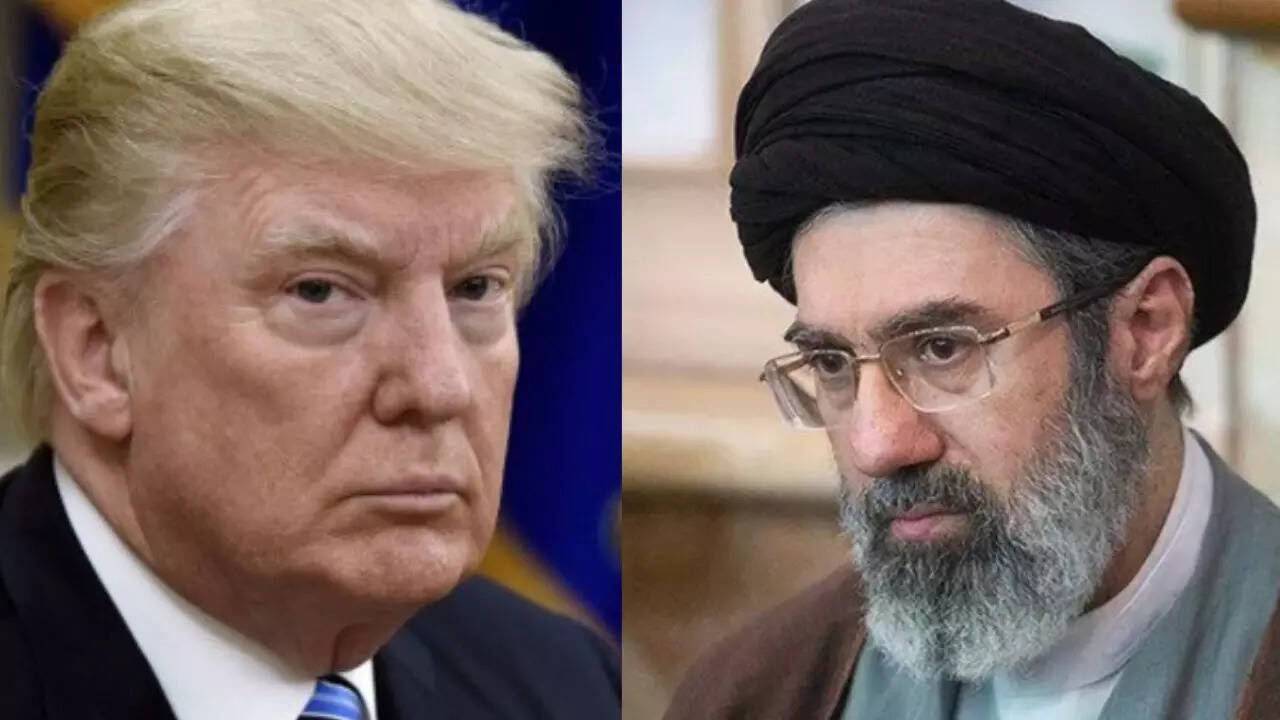
Donald Trump says he’s got a deal. Again. This time, it’s a 15-point roadmap delivered via Pakistani intermediaries to a battered but defiant Tehran. While the world watches oil prices oscillate with every Truth Social post, the reality on the ground is far grimmer than the headlines suggest. We’re currently looking at a Middle East where the Strait of Hormuz is a "no-go" zone and major Iranian nuclear sites like Natanz and Fordow are reportedly in ruins following U.S. and Israeli strikes.
If you’re trying to make sense of this "15-point plan," don't expect a gentle diplomatic olive branch. It’s a maximalist demand for total surrender wrapped in the packaging of a ceasefire. Trump's team, led by Steve Witkoff and Jared Kushner, isn't just asking for a pause in the fighting. They’re asking for the keys to the kingdom.
The 15 points that change everything
Most people think this is just a rehash of the old JCPOA. It isn't. This plan, which leaked through Israeli Channel 12 and sources in Islamabad, is designed to permanently "neuter" Iran’s ability to project power. I’ve looked at the core demands, and they're brutal.
The plan centers on three non-negotiable pillars:
- Total Nuclear Erasure: Not just a freeze. The U.S. wants the dismantling of all existing nuclear capabilities. This includes decommissioning and physically destroying the Natanz, Isfahan, and Fordow sites. All enriched material—including that 450kg stockpile of 60% uranium—must be handed over to the IAEA and shipped out of the country.
- The Proxy Cut-off: Iran has to stop funding, arming, and directing every single one of its regional "partners." That means Hezbollah, the Houthis, and militias in Iraq are officially on their own.
- The Hormuz Guarantee: The Strait of Hormuz must be declared a "free maritime zone." Iran loses its favorite leverage—the ability to choke off 20% of the world's oil.
In exchange, Trump is offering to lift all nuclear-related sanctions and help Iran build a strictly civilian nuclear project at Bushehr. He’s also offering to remove the "snapback" threat, which is the automatic return of UN sanctions. It’s a "take it or leave it" deal delivered while the 82nd Airborne is literally packing their bags for the region.
Is this a real peace plan or a tactical pause?
Tehran isn't stupid. They’ve already publicly scoffed at the proposal, with military officials calling it "negotiating with yourself." But behind the scenes, things are different. Iran's economy is in freefall. Their air force is effectively non-existent after "Operation Epic Fury," and the internal pressure following the death of various high-ranking officials is reaching a boiling point.
The skeptics—and there are many—argue this 15-point plan is a rehash of a 2025 document that Iran already rejected. They’re right. But the context has shifted. In 2025, Iran’s nuclear facilities were intact. Today, they’re smoking craters. Trump knows he’s bargaining from a position of absolute military dominance. He’s not looking for a "fair" deal; he’s looking for a legacy-defining win that ends a war he claims he never wanted.
The Pakistan connection
Why Pakistan? Prime Minister Shehbaz Sharif and Field Marshal Asim Munir have emerged as the unlikely bridge between Washington and Tehran. Pakistan is desperate to avoid a total Iranian collapse that would send millions of refugees across its border. By hosting these talks in Islamabad, they get to play the "global peacemaker" while keeping their own backyard from catching fire.
Why the markets are holding their breath
Oil prices dropped slightly when news of the plan broke, but don't get too comfortable. The gap between the U.S. demands and Iran’s counter-proposals is wide enough to sail an aircraft carrier through. Iran wants war reparations. They want a guarantee that the U.S. won't just attack again in six months. They want sovereignty over the Strait, not a "free zone."
If these talks fail—and there’s a high chance they will—the alternative is an escalation that could include a U.S. landing on Kharg Island. That’s Iran’s oil heart. If that goes, the regime goes with it.
What actually happens next
You should watch the movement of the USS Abraham Lincoln and the 82nd Airborne. If they keep moving toward the Gulf, the "15 points" are likely just a final warning before a larger ground operation. If the deployments slow down, it means Kushner and Witkoff are actually getting somewhere in the backchannels.
If you want to stay ahead of this, stop reading the official press releases from Tehran. Watch the price of Brent Crude and the troop movements in Kuwait. That's where the real story is.
Keep an eye on the Friday sermons in Tehran. If the rhetoric shifts even slightly toward "preserving the nation" over "crushing the Great Satan," the 15-point plan might just have a pulse.