A memorial is supposed to offer a quiet space for grief. It is a place where family and friends gather to share memories, offer comfort, and begin the long, painful process of healing after losing someone they love. When violence shatters that sacred space, it exposes a deep fracture in our social fabric.
Violence at a memorial service is not just a crime. It is a profound violation of humanity.
The Breaking Point of Public Grief
When a community comes together to honor a life taken too soon, they are already vulnerable. They are carrying heavy emotional baggage, navigating raw nerves, and seeking solace in numbers. Turning that moment into a crime scene changes everything. It shatters the illusion that even our most sacred rituals of mourning are safe.
You see it in the aftermath across local news reports. A peaceful gathering turns into chaos in a matter of seconds. Shots ring out, people scatter behind cars and gravestones, and another family receives a devastating phone call.
Why does this happen?
Often, these tragedies stem from ongoing neighborhood disputes, retaliatory cycles, or impulsive anger fueled by the presence of rival groups in close quarters. Emotions run high at funerals. When you mix raw grief with existing hostility and easy access to firearms, the results are catastrophic.
Examining the Root Causes of Memorial Violence
We cannot talk about violence at public gatherings without looking at the underlying triggers. These incidents rarely happen in a vacuum. They are usually the symptom of larger, unresolved conflicts within a community.
When tensions are already boiling over between individuals or groups, a funeral becomes a high-stakes flashpoint. People show up on edge. They look for slights. They bring weapons because they feel unsafe, which ironically makes everyone far less safe.
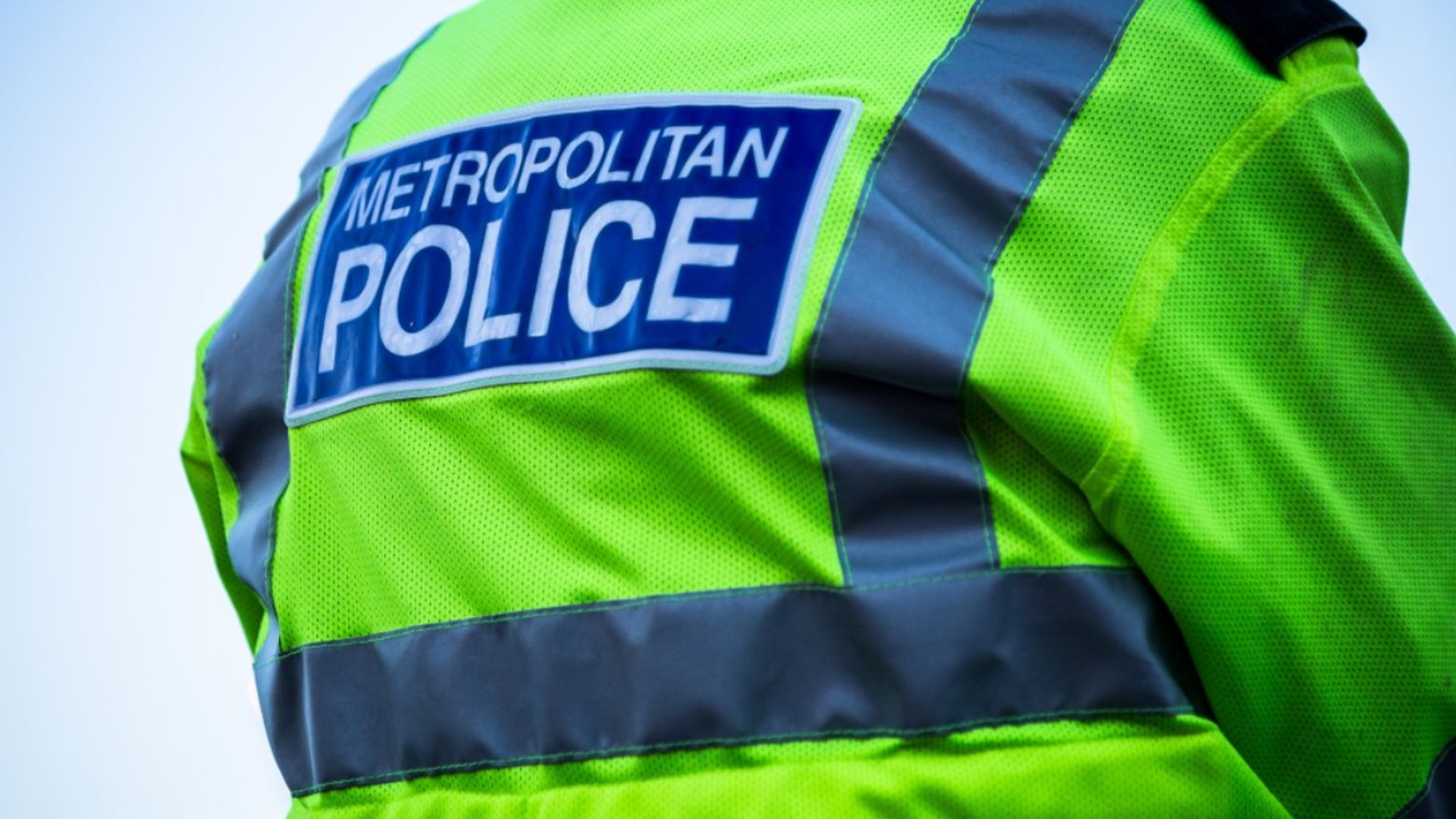
Law enforcement agencies often struggle to secure these events. Police departments cannot assign a heavy tactical presence to every public memorial or burial. They rely on community trust and voluntary peace, which can evaporate the moment someone spots an adversary across the parking lot or near the chapel doors.
What Communities Can Do to Protect Mourners
We have to move past the cycle of shock and temporary outrage. If communities want to protect people who are simply trying to say goodbye to a loved one, proactive steps are essential.
First, community leaders and grassroots violence-interruption organizations need to have a presence where tensions run high. These workers know the local dynamics. They can spot brewing conflicts before shots are fired and act as a calming bridge between opposing sides.
Second, families planning public services should consider working closely with local security or law enforcement if they know threats exist. It is a harsh reality, but hiding from potential danger only leaves people exposed.
Finally, we need a cultural shift around conflict resolution. Carrying a grievance to a gravesite destroys any chance of closure for anyone involved.
The next time a community gathers to mourn, the focus belongs entirely on the person who passed away. Protecting that space is everyone's responsibility.