We are tracking deadly viruses all wrong. Every time an Ebola outbreak hits the news, the global health apparatus swings into action with massive treatment centers, contact tracing, and rapid isolation protocols. It looks like a well-oiled machine. But a massive gap remains right at the start of the chain. We rarely find out exactly how the virus jumped from the wild into the first human patient.
Patient Zero is almost always a ghost. Recently making headlines in related news: The One Shot Contract That Quietly Changes How We Fight Cholesterol.
This missing link is a massive problem for global biosecurity. If you don't know how a fire started, you can't prevent the next one. Public health agencies are great at putting out the flames, but they are failing at arson investigation. Understanding the exact spark of an Ebola outbreak isn't an academic exercise. It is the only way to stop the next spillover before it kills hundreds of people.
The Myth of the Certain Ebola Origin
Most people assume scientists have the jump from animal to human completely figured out. They don't. For decades, the prevailing consensus pointed squarely at fruit bats as the primary reservoir for Ebola virus. It makes sense on paper. Bats carry a ton of viruses without getting sick, they fly long distances, and they live in areas where outbreaks happen. Additional information on this are detailed by Medical News Today.
The actual hard evidence is incredibly thin.
Researchers have captured and tested thousands of bats, rodents, and primates in outbreak zones over the last fifty years. Do you know how many times they have isolated live, fully functional Ebola virus from a wild bat? Zero. They find viral RNA fragments. They find antibodies. But finding footprints in the mud isn't the same as catching the animal.
The World Health Organization explicitly states that while fruit bats of the Pteropodidae family are considered the natural host, the definitive proof remains elusive. We are basing global pandemic prevention strategies on a strong hunch.
That hunch creates blind spots. When the 2014 West Africa epidemic began in Meliandou, Guinea, investigators traced the suspected source to a hollow cola nut tree where children played. The tree housed a colony of free-tailed bats, which aren't even fruit bats. By the time scientists arrived to sample them, the tree had burned down, and the bats were gone. A massive piece of the puzzle vanished because the response was too slow.
Why Finding Patient Zero is Getting Harder
Spillover events happen in remote, ecologically complex areas. By the time a local clinic notices an unusual cluster of hemorrhagic fever, weeks have passed. The first person to contract the virus has likely died or recovered. The immediate environment has changed.
The lag time kills the investigation.
[Spillover Event] ---> Weeks of Misdiagnosis ---> Hospital Cluster ---> International Alert ---> Field Investigators Arrive
Consider the logistics of a typical investigation. A team from the Democratic Republic of Congo or an international body like the Africa Centres for Disease Control arrives a month after the initial infection. They have to ask grieving families exactly what a deceased relative ate, touched, or encountered weeks ago. Memory is unreliable at best. In many cultures, hunting or handling bushmeat is heavily stigmatized or illegal, so locals lie to investigators to protect their livelihoods.
We also mess up by focusing exclusively on bushmeat. The conversation always centers on hunters butchering chimpanzees or gorillas. While primates do get Ebola, they suffer massive die-offs just like humans, meaning they are likely accidental hosts rather than the permanent reservoir. The real culprit might be something far more mundane, like a fruit partially eaten by a bat and dropped into a village garden where a toddler picked it up.
The Dangerous Cost of Ignorance
When we fail to identify the source, we resort to broad, unenforceable bans that hurt local communities. Governments routinely ban the hunting and consumption of all bushmeat during an outbreak. It sounds sensible. In reality, it drives the practice underground, destroys a vital source of protein for impoverished families, and alienates the very people public health officials need to cooperate with.
A targeted approach requires precise data. If we knew that spillover only happened during specific seasonal transitions when a certain fruit tree bloomed, we could issue highly specific, actionable warnings. Instead, we yell "avoid all wildlife" and wonder why people stop listening.
Deforestation and climate shifts are scrambling the map entirely. As logging and agriculture push deeper into pristine rainforests, the contact rate between humans and wild reservoirs skyrockets. We are changing the ecology faster than we can study it. A virus that stayed deep in the canopy twenty years ago is now interacting with villages daily.
Fixing the Broken Investigation Model
We need to flip the script on how we fund and execute outbreak origin stories. Right now, nearly all the money goes to reactive emergency response. We spend billions on treatment beds and vaccine distribution, which is necessary, but we leave pennies for the ecological forensics that follow.
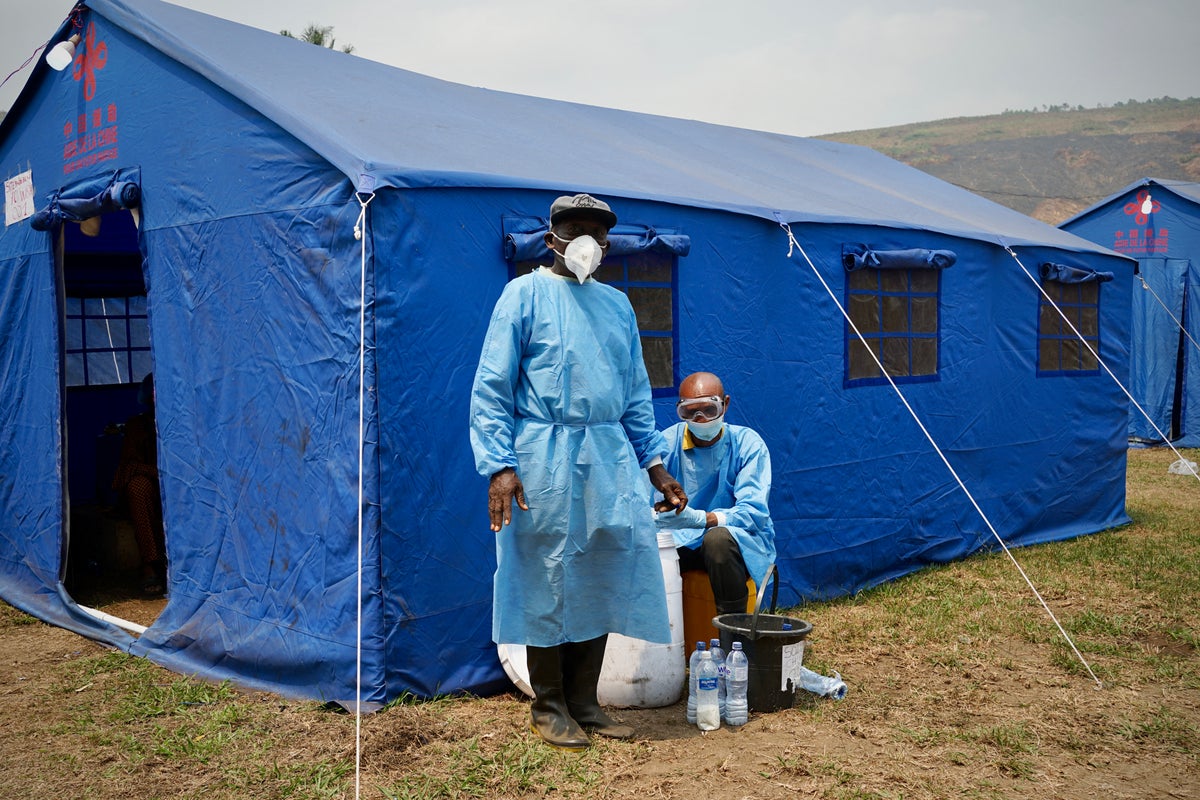
Field teams need to change their timeline. Ecologists and veterinarians should be deployed alongside the very first medical triage teams, not months later. If a rapid diagnostic test confirms Ebola in a village, wildlife sampling teams should be on the ground within 48 hours to swab local fauna, trap insects, and map the immediate micro-environment before human activity alters the scene.
Local capacity building is the real fix. Relying on Western institutions to fly in with heavy equipment weeks after the fact is an outdated strategy. Funding must go directly to provincial universities and clinics in high-risk zones throughout central and western Africa. These local scientists live in the area, speak the languages, understand the hunting patterns, and can begin sampling the environment the exact day an unusual illness emerges.
Stop treating outbreak origins as a secondary concern. Until we invest heavily in real-time ecological forensics and local scientific infrastructure, we will keep fighting Ebola with one eye closed, waiting around for the next mystery spillover to trigger the next global panic.