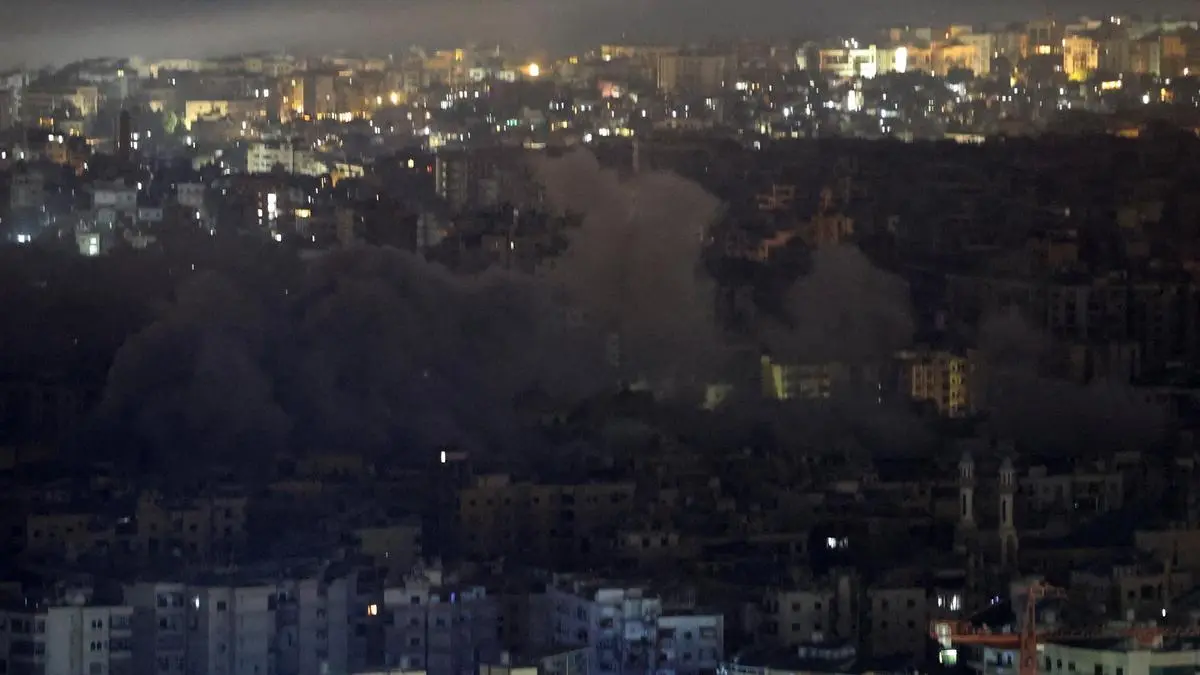
A man claiming to be a Japanese military officer just tried to muscle his way into the Chinese Embassy in Tokyo. It sounds like the opening scene of a Tom Clancy novel, but the reality is much more chaotic and significantly more dangerous for regional diplomacy. When someone wearing a Ground Self-Defense Force (GSDF) uniform pulls up to a high-security diplomatic mission and tries to force an entry, you don't just have a security lapse. You have a massive geopolitical headache that threatens to boil over.
The incident happened in Tokyo’s Minato Ward. This isn't some quiet backwater. It’s the heart of the city’s diplomatic district. Witnesses saw a man in his 40s, dressed in full military fatigues, approach the gates and attempt to push past the guards. He didn't have an appointment. He didn't have a clear reason. He just had a uniform and a lot of nerve.
Security Failures at the Gate
Japanese police moved quickly, but the questions they're left with are uncomfortable. First off, was this guy actually in the military? Early reports are messy. Some sources say he’s a former member of the GSDF, while others suggest he might be a civilian with a very convincing costume and a chip on his shoulder. Either way, the optics are disastrous.
If he’s an active or former officer, the Japanese Ministry of Defense has a radical disciplinary problem on its hands. If he’s a civilian, it exposes how easily someone can weaponize military imagery to create an international incident. The Chinese Embassy isn't just another building. It’s sovereign Chinese territory under the Vienna Convention. Any breach there isn't just trespassing—it’s an affront to a global superpower that is already looking for reasons to criticize Tokyo's security posture.
Why the Timing Matters
You can't look at this event in a vacuum. Japan and China are currently locked in a tense standoff over everything from semiconductor export controls to the sovereignty of the Senkaku Islands. Relations are brittle.
When a "military officer" tries to storm an embassy, Beijing doesn't see a lone wolf or a confused individual. They see a provocation. They see a sign that Japanese nationalism is becoming more aggressive and less controlled. The Chinese Foreign Ministry has already voiced its concerns, demanding that Japan take "effective measures" to ensure the safety of its diplomats. This isn't just standard boilerplate language. It's a warning.
The Uniform as a Weapon
We need to talk about the psychology of the uniform. In Japan, the Self-Defense Forces are viewed with a mix of respect and deep constitutional skepticism. For a man to don that specific attire and target the Chinese mission is a calculated political statement. It’s meant to signal a "warrior spirit" or a rejection of the diplomatic status quo.
The police arrested the man on charges of obstructing official duties. But the legal charges are the least of the worries here. The real damage is to the "Cool Japan" image of a safe, orderly society. If a guy in a uniform can cause this much of a stir at one of the most guarded locations in the country, what does that say about the rest of the capital's security?
What Happens Behind Closed Doors
Expect the Japanese government to downplay this as a mental health issue or an isolated act by a "radical." They have to. Admitting any level of institutional failure or organized political motivation would give Beijing too much leverage.
Meanwhile, inside the GSDF, there's likely a frantic scramble to check personnel records. They're looking for any link to right-wing extremist groups. Japan has a long history of "lone wolf" incidents involving nationalist sentiment, and the authorities are terrified of a return to the pre-war era's political violence.
Breaking Down the Embassy Response
The Chinese Embassy’s reaction was predictably sharp. They’ve increased their own private security presence and are leaning hard on the Tokyo Metropolitan Police Department for 24/7 surveillance. You might notice more armored police buses and riot squads around Minato Ward over the next few weeks.
This creates a "fortress mentality" that makes actual diplomacy even harder. When diplomats feel like they're under siege, they don't negotiate. They retreat. They harden their positions.
The Real Risks of Escalation
What if the next guy isn't just trying to push past a guard? What if he’s armed?
Japan’s strict gun laws usually prevent these incidents from turning into tragedies, but the embassy breach shows that physical presence and the threat of authority (via the uniform) are enough to trigger a crisis. The SDF needs to tighten its grip on how uniforms and equipment are decommissioned and sold. You can buy remarkably realistic GSDF gear in hobby shops in Akihabara. That’s a loophole that needs closing immediately.
Practical Realities for Tokyo Residents
If you live in or travel through Minato Ward, expect delays. The "security zones" around the Chinese, American, and Russian embassies are already tight, but they’re about to become suffocating.
- Expect more random ID checks if you're loitering near diplomatic gates.
- Road closures around the embassy may happen without warning during high-tension periods.
- Public demonstrations in the area will likely be met with a much heavier police hand.
The fallout from this breach isn't just a headline. It's a shift in how Tokyo manages its most sensitive neighborhoods.
How Japan Repairs the Damage
Tokyo has to move fast to prove this wasn't a state-sanctioned or state-ignored act. That means a transparent investigation—or at least the appearance of one. They need to coordinate with Chinese security officials to show they're taking the "sovereignty" aspect seriously.
If they don't, this "military officer" incident will become a permanent fixture in China's list of grievances. It will be brought up at every G7 summit and every bilateral meeting as proof that Japan isn't a "responsible" neighbor.
The man in the uniform might have been acting alone, but the consequences of his actions are now the responsibility of the entire Japanese government. They can't afford to get the response wrong.
Keep an eye on the official statements from the Japanese Ministry of Foreign Affairs (MOFA). If they start using language about "regret" rather than just "investigation," you'll know the diplomatic pressure from Beijing is reaching a breaking point. Check the local Tokyo police blotters for updates on the suspect's background; whether he was a "former" or "active" member changes the entire severity of the case. Don't take the first report as the final word.