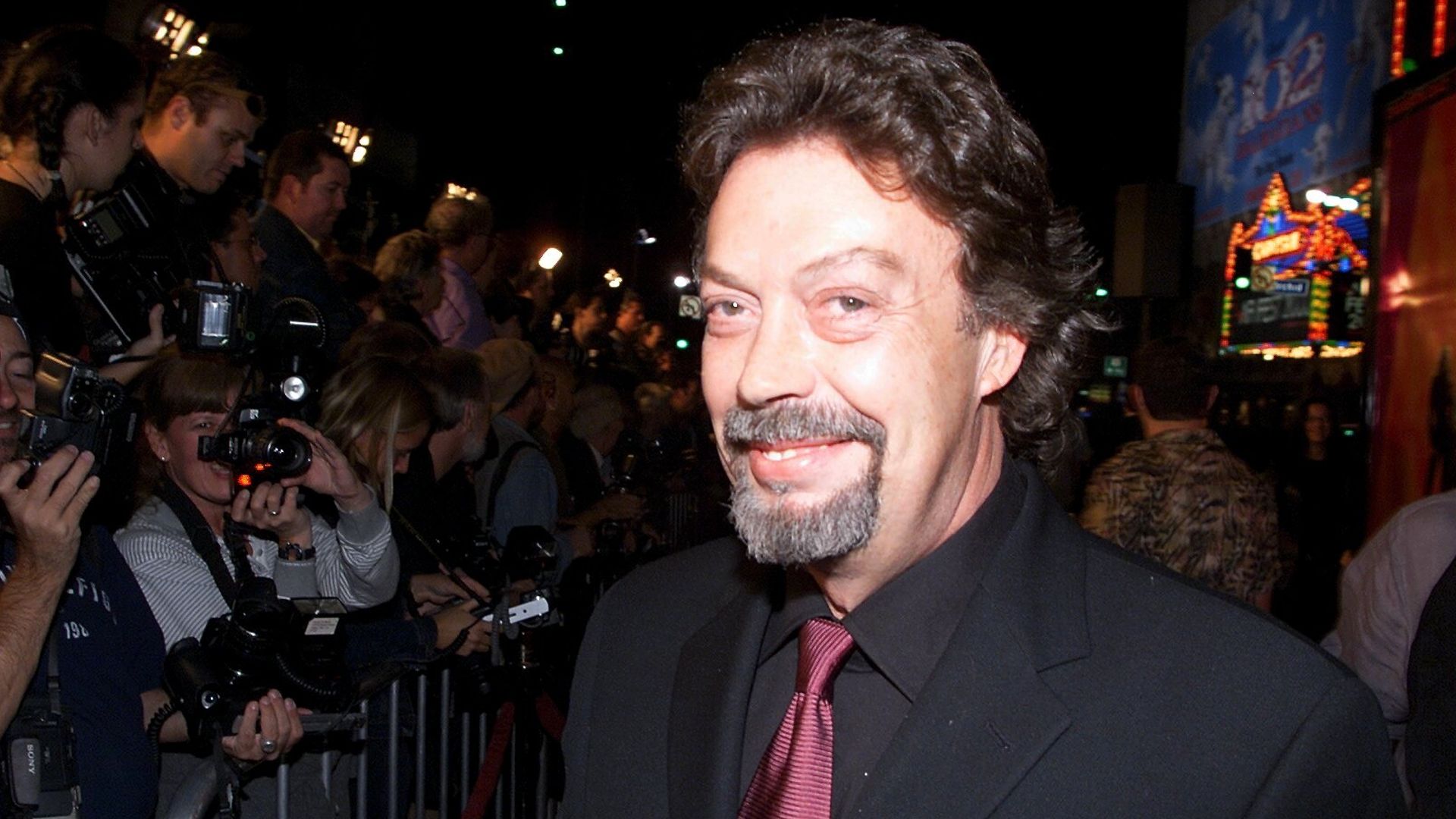
Death hoax algorithms strike again. Every few months, digital scavenger vultures crawl out of the woodwork to prematurely bury living legends for search traffic clicks. The lazy consensus across mainstream media and social feeds treats celebrity mortality as a rolling headline feed where verification is optional and speed beats accuracy. Tim Curry is alive. Yet, the internet treats him like a ghost of cinematic past, trapped forever in his corset and fishnets, reduced to a static Wikipedia entry waiting for a memorial date.
We need to stop burying people who are still breathing just because their most famous cultural footprint happened four decades ago.
The Perpetual Obituary Economy
Why does the internet insist on killing Tim Curry every couple of years? The answer lies in the algorithmic economics of nostalgia. Media outlets stockpile pre-written obituaries for aging icons, keeping them in dark content management system folders like digital coffins. When a lazy scraper bot or a malicious troll misinterprets a rumor, an overzealous editor hits publish before checking a pulse.
I have watched digital publishing operations spin up full tribute packages within minutes of an unverified tweet, trading journalistic integrity for first-mover advantage on search engines. It is an industrial-scale failure of basic fact-checking.
Tim Curry suffered a major stroke in 2012. That medical event transformed how the public perceives him. Because he stepped away from heavy physical film sets and transitioned primarily into voice acting and convention appearances, the armchair prognosticators decided he must be gone. This is the cult of hyper-visibility. If a star is not plastered across a blockbuster every six months, modern internet culture assumes they have ceased to exist.
The Rocky Horror Trap
To mainstream culture, Curry is Dr. Frank-N-Furter. Nothing more, nothing less. This reductionist view erases one of the most versatile stage and screen careers of the twentieth century.
When people talk about The Rocky Horror Picture Show, they freeze him in amber as a cult novelty. That is a fundamental misunderstanding of his craft. Before he ever stepped onto a soundstage in platform heels, he was a classically trained Shakespearean actor. He commanded the Royal Shakespeare Company and originated the role of Wolfgang Amadeus Mozart in Peter Shaffer's Amadeus on Broadway, earning a Tony nomination for a performance that terrified and transfixed audiences with its manic brilliance.
Look at his filmography. He played Darkness in Ridley Scott's Legend, a towering, terrifying manifestation of pure evil hidden beneath hours of heavy prosthetics. He played Wadsworth the butler in Clue, executing a breakneck, masterclass comedic monologue in the film's final act that remains a masterclass in physical timing and linguistic gymnastics. He voiced animated villains like Captain Hook and Chancellor Palpatine with operatic grandeur.
Reducing his career to midnight movie screenings is a disservice to his range. He did not just star in camp; he weaponized high theatricality and brought it into mainstream cinema without losing an ounce of dignity or precision.
The Mechanics of False Death Reports
Let us examine how these viral death hoaxes propagate.
- The Seed: A low-authority social media account posts a memorial message for engagement farming.
- The Aggregator: Programmatic content sites scrape the post, stripping away any requirement for primary source verification.
- The SEO Race: Major outlets notice sudden search volume spikes for "[Actor Name] dead" and push out rushed confirmation requests or accidental confirmation pieces to capture ad revenue.
- The Echo Chamber: Millions of readers see the headline, panic, and share it without clicking through, cementing the falsehood in collective memory.
This cycle is toxic. It forces living artists to field calls from worried friends and family members, answering questions about their own demise while they are sitting at home drinking coffee.
Redefining Legacy in the Digital Age
We treat aging performers as cultural relics instead of active contributors to art history. Curry's transition to voice acting after his stroke was not a retirement; it was a pivot. He continued working on projects like Star Wars: The Clone Wars and various animated features because his instrument—that magnificent, velvet-draped, sinister baritone voice—remained entirely intact.
True authority in entertainment journalism requires looking past the single defining breakout role. If your entire understanding of an actor begins and ends with their cult classic breakthrough, you are not writing about entertainment history. You are just repeating trivia.
Stop falling for the death hoaxes. Stop reducing complex performers to single characters. And stop checking social media feeds for obituaries of people who are currently enjoying their afternoon.
Tim Curry is still here. Deal with it.