The air inside the control room smelled of stale coffee, ozone, and quiet terror.
It is easy to look at a rocket launch through the sanitized lens of a television broadcast. You see the polished white cylinder, the dramatic plumes of orange fire, and the ecstatic commentators shouting over the roar of a million pounds of thrust. You see triumph. You rarely see the thirty seconds before ignition, when forty engineers stop breathing in unison, watching telemetry numbers flicker like dying stars on a bank of dark monitors.
Now, imagine doing that twice. Not over the course of a leisurely week. Not across different hemispheres.
Thirty-eight and a half minutes.
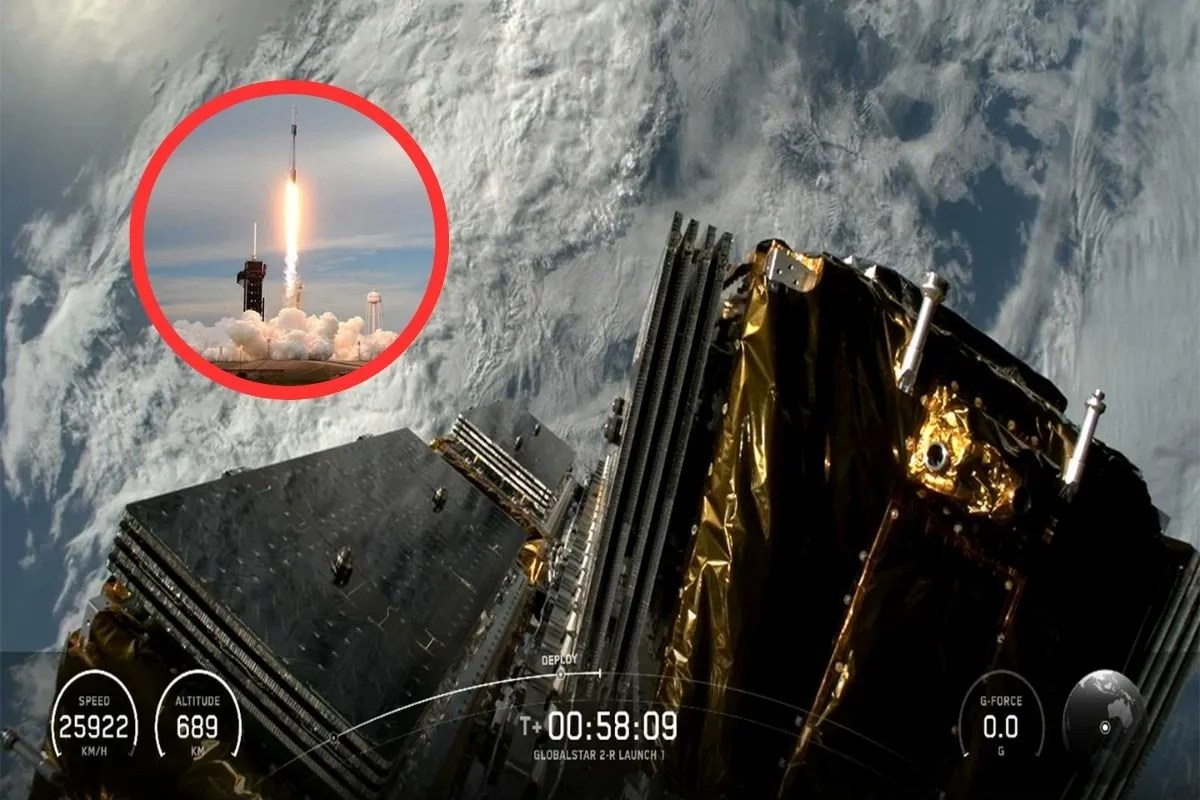
That is all the time that separated two distinct roars from two distinct launchpads operated by SpaceX, splitting the sky open twice in less time than it takes to commute across a mid-sized city. Two Falcon 9 rockets, each carrying payloads that would have required national budgets a generation ago, lifted off from different coasts. One surged upward from California's Vandenberg Space Landing Complex, while the other cleared the Florida humidity at Cape Canaveral.
To understand why this matters, you have to forget the rockets for a moment. Look instead at the clocks.
For decades, space travel was treated like an opera. Every single performance required months of rehearsal, custom tailoring, meticulous tuning, and an enormous cast of specialists standing by to catch every potential misstep. A single launch was a historic milestone, commemorated with presidential phone calls and front-page newspaper spreads. The idea of launching two orbital-class rockets within the span of a single television sitcom episode sounds less like engineering and more like a magic trick.
It is not magic. It is exhaustion, discipline, and a quiet, relentless industrial revolution.
I remember standing near a launch site years ago, watching the aftermath of a static fire test. The heat of the Merlin engines does something strange to the local atmosphere; it shimmers the horizon, bending light and sound into a low, chest-rattling thrum that lingers long after the machine has gone silent. When you realize that the hardware resting on that concrete pad is designed not to be handled like Fabergé eggs, but driven like city buses, your mental model of the universe shifts.
Falcon 9 changed the vernacular of aerospace. Before reusable first stages, throwing a rocket into orbit was like flying a commercial airliner across the Atlantic and then setting it on fire upon arrival. Reusability turned an industrial bonfire into a logistical loop. But logistics is a stubborn beast. When you compress turnaround times down to minutes instead of months, you are no longer just building rockets. You are orchestrating a global ballet of propellant trucks, autonomous drone ships, telemetry tracking stations, and software engineers who treat microseconds the way master watchmakers treat gears.
Consider the invisible pressure on the flight controllers.
At Cape Canaveral, a Falcon 9 booster clears the tower, arcs eastward over the Atlantic, and leaves a chalk-white scratch across the blue. Downrange, an autonomous ocean-going platform named Just Read the Instructions waits in the open swells, pitching gently in the Atlantic chop, ready to catch a descending 15-story metal cylinder falling out of the upper stratosphere at four times the speed of sound.
Meanwhile, three thousand miles away across the continent, another team is deep in the final countdown checklist for a polar launch. Their displays show green. Their propellant lines are chilling down. Their own booster is fueled and waiting. If a single sensor hiccups in Florida, the ripple effect threatens the synchronization of the entire dual-coast operation. The margin for error is measured in heartbeats.
When the second rocket cleared the pad just 38.5 minutes after the first, it wasn't just a numerical record broken. It was a cultural threshold crossed.
We are watching the transition from exploration as an expedition to space as an infrastructure.
For most of human history, reaching orbit was an apex event. Today, it is becoming background noise. Satellites for global broadband, Earth observation, climate tracking, and scientific telemetry are weaving an invisible digital nervous system around the globe. That system requires density. It requires cadence. A rocket launch every few weeks is a scientific marvel; a cadence that lets you launch twice in the time it takes to bake a chicken is an industrial pipeline.
We have arrived at a strange, dizzying paradox. The technology required to punch through the atmosphere and dance on the edge of the vacuum has become so reliable, so systematically tamed, that we risk looking right past the sheer audacity of it. We scroll past video clips of twin sonic booms on our phones while waiting for an elevator, entirely numb to the fact that humans have built reusable thunder machines.
Success breeds invisibility. When trains first crossed continents, people eventually stopped staring in awe and simply bought tickets. When aviation became routine, the sky stopped feeling like the domain of gods and started feeling like a highway.
Space is undergoing that exact transformation right now.
And that is the quiet truth behind those two white pillars of fire rising simultaneously from opposite sides of the American continent. They are not merely monuments to corporate efficiency or billionaire ambition. They are the early, deafening footsteps of a future where leaving this planet is no longer a historical exception, but simply part of our daily commute.
The smoke clears over the pads. The telemetry screens return to baseline. The engineers take a long, slow breath, knowing they have roughly thirty minutes before the next checklist begins.