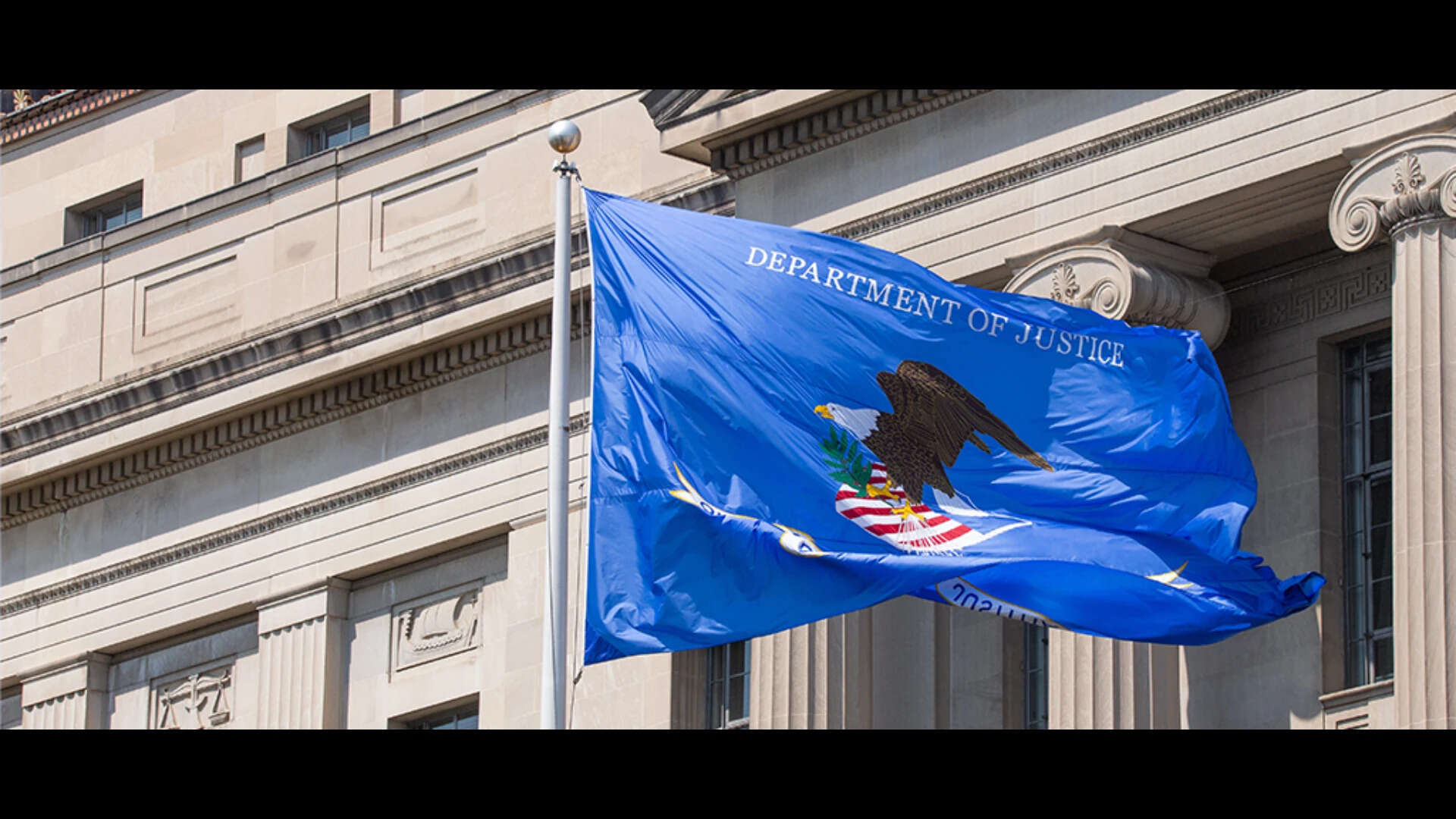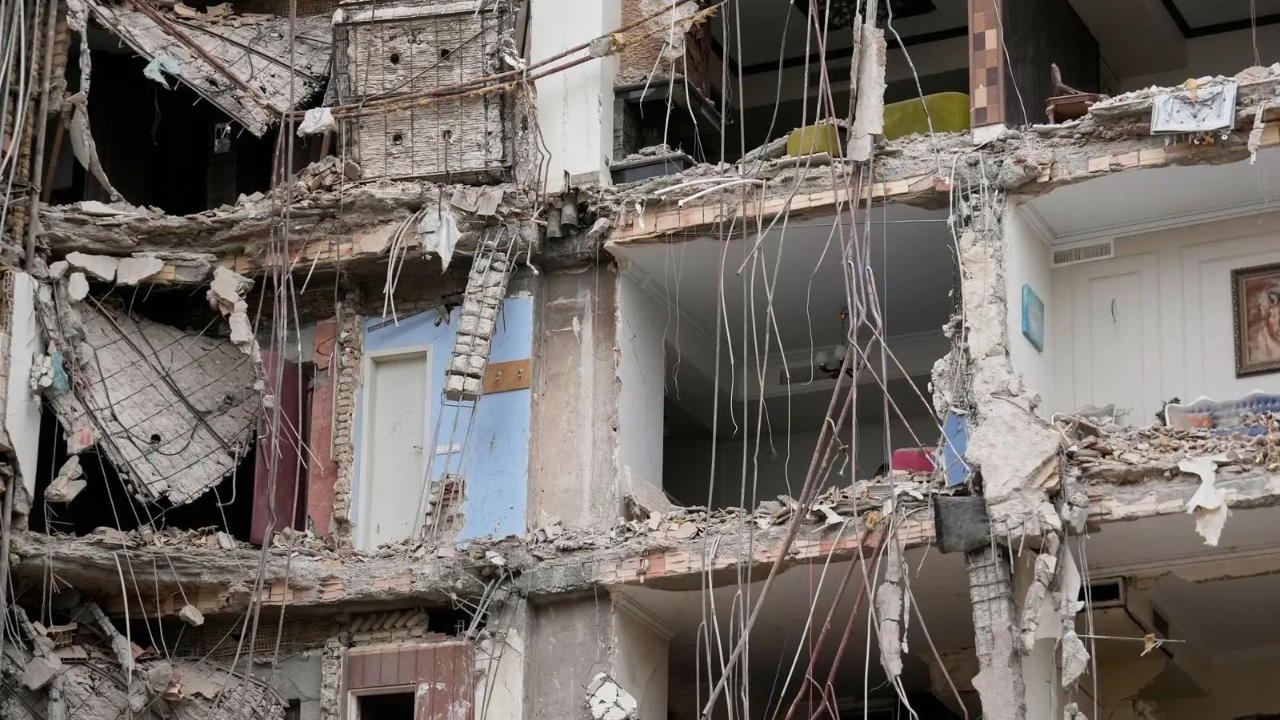
The 15-point proposal landed in Tehran not as a bridge, but as a demand for surrender wrapped in diplomatic stationery. While Washington insiders spent the week briefing reporters on a "pathway to peace" in the Middle East, the Iranian leadership has already torn up the script. By dismissing the Trump administration’s de-escalation framework and countering with five non-negotiable demands, Iran is signalling that it has no intention of allowing the White House to dictate the terms of a new regional order.
This isn't just another round of Middle Eastern brinkmanship. It is a fundamental clash of realities. The U.S. proposal, which focused heavily on dismantling Iran’s proxy network and freezing its nuclear enrichment in exchange for "phased" relief, was built on the assumption that economic pressure had finally brought the Islamic Republic to its knees. Tehran’s counter-offensive proves that assumption was a catastrophic miscalculation. Iran isn't looking for a graceful exit; it’s looking for a total reset of the power dynamics in the Persian Gulf.
The Flaw in the American 15 Point Strategy
The 15-point plan drafted by the White House was essentially a repackaging of "Maximum Pressure" with a thin veneer of diplomacy. It required Iran to halt all support for Hezbollah and the Houthis, provide unrestricted access to its military sites, and permanently cap its missile range. In return, the U.S. offered a vague timeline for the removal of certain secondary sanctions.
To a veteran observer, the proposal was dead on arrival. It ignored the basic rule of Iranian diplomacy: Tehran never trades its regional influence for temporary economic breathing room. The Iranian security establishment views its "Axis of Resistance" not as a bargaining chip, but as its only effective layer of defense against a conventional military invasion. Asking them to give it up in exchange for the possibility of selling more oil is like asking a man to trade his shield for a promise that it won't rain.
The White House seems to have bet on the idea that Iran’s internal economic strife would force a pivot. They misread the room. While the Iranian rial continues to struggle, the leadership in Tehran has spent the last four years hardening its economy against Western interference and deepening its ties with Beijing and Moscow. They aren't desperate. They are dug in.
Iran’s Five Demands and the New Red Lines
Tehran’s response was swift and surgically precise. Instead of debating the 15 points, they issued five counter-demands that effectively flip the script on Washington. These aren't suggestions. They are the conditions under which Iran is willing to even keep the lights on in the negotiation room.
- Immediate and Verifiable Sanctions Removal: Iran is refusing the "phased" approach. They want the primary sanctions on oil and banking lifted upfront, with a mechanism for verification that doesn't involve U.S. veto power.
- Legal Guarantees of Continuity: Tehran is haunted by the 2018 withdrawal from the JCPOA. They are demanding a legally binding treaty—not an executive agreement—that ensures no future U.S. president can unilaterally exit the deal.
- Formal Recognition of Regional Security Interests: This is a demand for the West to stop labeling their regional allies as "proxies" and instead treat them as legitimate political actors in Iraq, Lebanon, and Yemen.
- The Exit of Foreign Forces: Iran is doubling down on its long-term goal of forcing U.S. military assets out of the Persian Gulf and Iraq, arguing that regional security should be handled by regional players.
- Nuclear Sovereignty: They are rejecting any permanent ban on enrichment, asserting their right under the NPT to maintain a civilian nuclear cycle at whatever level they deem necessary for "research."
These demands are designed to be indigestible for the Trump administration. By setting the bar this high, Iran is effectively telling the U.S. that the era of American-led regional architecture is over.
The Shadow of the 2024 Election Cycle
One cannot analyze this standoff without looking at the calendar. Tehran is playing a sophisticated game of wait-and-see. They know that the current administration is sensitive to oil price spikes and the optics of another "forever war" in the Middle East. By rejecting the 15-point plan now, they are testing the limits of American resolve.
The Iranian leadership believes they can outlast the political cycles of Washington. They have watched four decades of U.S. policy flip-flop between engagement and confrontation. Their current strategy is built on the belief that time is on their side. Every month they continue to enrich uranium at 60%, they gain more leverage. Every month the Houthi rebels remain active in the Red Sea, the cost of American "containment" goes up.
The White House is now in a difficult position. If they soften their 15 points, they look weak to their domestic base. If they double down on sanctions, they risk a regional conflagration that could send oil prices toward $150 a barrel during an election year.
The Nuclear Clock and the Failure of Containment
While the diplomats argue over bullet points, the centrifuges in Natanz and Fordow continue to spin. This is the most dangerous aspect of the current stalemate. The U.S. proposal sought to freeze the nuclear program, but Iran’s counter-demands suggest they are comfortable using their "breakout" status as a permanent shield.
The reality is that "containment" has failed. Iran has already mastered the technical requirements for a nuclear device. No amount of sanctions or 15-point lists can unlearn that knowledge. The question is no longer whether Iran can build a bomb, but whether the West is willing to pay the price to stop them from deciding to build one.
Tehran’s dismissal of the Trump proposal is a signal that the price has just gone up. They are no longer interested in a deal that merely manages their decline. They want a deal that confirms their status as the dominant power in the Middle East.
The Miscalculation of Economic Leverage
For years, the consensus in Washington was that the Iranian regime was a "rational actor" that would eventually choose survival over ideology. The belief was that if you squeezed the economy hard enough, the leadership would buckle to avoid a popular uprising.
That theory has been tested to its limit, and it has failed. The Iranian state has proven remarkably resilient at internal suppression and external subversion. By responding to the U.S. 15-point plan with their own five demands, they are demonstrating that their ideological goals—specifically the removal of U.S. influence from the region—are more important than the immediate comfort of their middle class.
Why the "Grand Bargain" Is a Myth
The fundamental problem with the U.S. approach is the pursuit of a "Grand Bargain." Washington wants to solve every issue—nuclear, missiles, proxies, human rights—in one sweeping agreement. Iran, conversely, prefers a fragmented approach where they can trade specific concessions for specific gains without ever losing their strategic depth.
The 15-point plan was the ultimate "Grand Bargain" attempt. It tried to solve 40 years of animosity in a single document. It was ambitious, but it was also delusional. You cannot negotiate the total transformation of a state's foreign policy over a lunch meeting in Geneva or a back-channel in Oman.
Tehran’s five demands are a cold shower for those who believed a quick win was possible. They are a reminder that the Islamic Republic views itself as a rising power, not a failing state. They see a West that is distracted by Ukraine and the South China Sea, and they believe this is their moment to strike a hard bargain.
The Brinkmanship Trap
We are now entering a period of extreme volatility. With the U.S. proposal rejected and Iran’s counter-demands deemed "unacceptable" by the State Department, the diplomatic path has narrowed to a tightrope. When diplomacy fails, the "shadow war" usually intensifies.
Expect to see an uptick in maritime incidents, cyber-attacks on infrastructure, and proxy skirmishes across the Levant. This is how both sides communicate when the talking stops. They aren't trying to start a full-scale war; they are trying to improve their hand for the next time someone sits down at the table.
But this is a dangerous game. In a region as combustible as the Middle East, a single miscalculation—a drone hitting the wrong target or a naval commander losing his cool—can turn a "signaling exercise" into a regional disaster.
The Trump administration’s 15-point plan was an attempt to exert dominance without firing a shot. Iran’s five demands are a declaration that they will not be dominated. The two sides aren't just far apart on the details; they are living in two different versions of the future.
The U.S. sees a future where Iran is a contained, secondary power. Iran sees a future where the U.S. is a distant memory in the Persian Gulf. Until one of those visions is forced to give way to reality, the cycle of proposals and rejections will continue, while the risk of a catastrophic collision grows every day.
The next move won't happen in a briefing room. It will happen in the enriched uranium stockpiles and the shipping lanes of the Middle East. If Washington wants a real deal, it will have to stop drafting wish lists and start acknowledging the reality of the map. Until then, the 15 points are just paper, and the five demands are the new reality.
You should now monitor the International Atomic Energy Agency’s next quarterly report on Iran’s enrichment levels to see if Tehran begins pushing toward the 90% threshold as a direct response to this diplomatic stalemate.