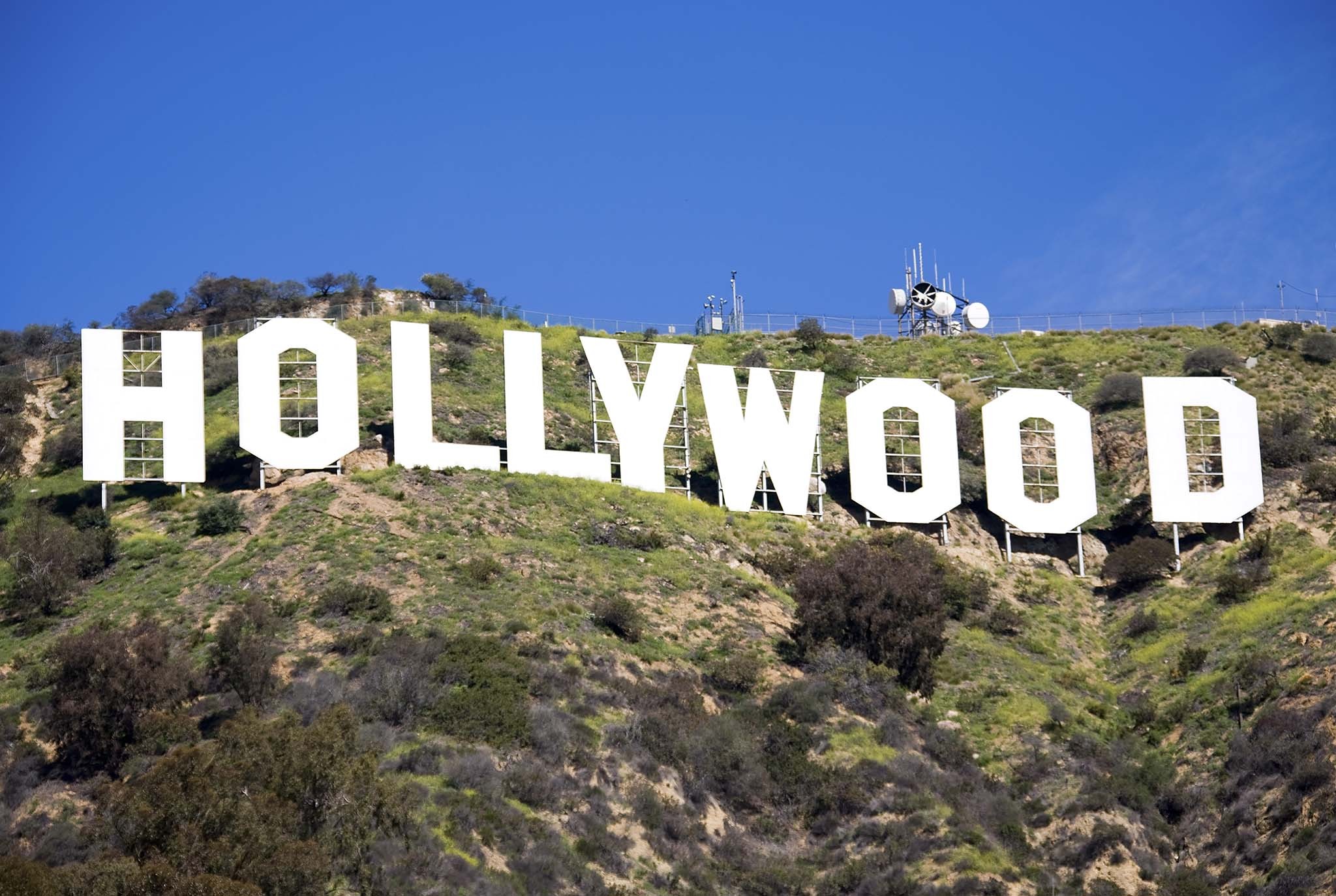
The press release reads like a victory lap. Another round of tax credits handed out. A medical procedural titled 'The Pitt' and a children's science show from Jimmy Kimmel are the latest beneficiaries of California’s generosity. The local news cycles it as "job creation." The politicians frame it as "protecting the industry."
They are lying to you. Or worse, they actually believe their own PR.
What we are witnessing isn't a cultural renaissance. It’s a managed decline funded by the public purse. We are subsidizing the status quo. We are paying multi-billion-dollar conglomerates to take zero risks, and in doing so, we are suffocating the very creativity these credits are supposed to "foster"—a word I usually loathe, but here it describes the exact opposite of what’s happening.
The Myth of the "Local Economy" Boost
The standard argument for film tax credits is simple: give a studio a 20% to 30% break on their spend, and they’ll hire local grips, caterers, and drivers. The "multiplier effect" supposedly turns every dollar of credit into three dollars of local economic activity.
I have sat in the rooms where these budgets are sliced. Here is the reality.
Production is nomadic. The "jobs" created are often temporary, gig-economy roles that vanish the moment the wrap party ends. When the tax credit expires or a neighboring state offers a steeper discount, the "industry" packs its trailers and leaves. You aren't building an infrastructure; you’re renting a circus.
Furthermore, these credits often apply to "above-the-line" costs—the massive salaries of stars and producers who don't live in the filming location, don't pay taxes there, and certainly don't spend their millions at the local hardware store. We are effectively taxing a barista in Fresno to help pay the salary of a talent agent in Beverly Hills.
Procedurals and Science Shows: The Death of Innovation
Look at the recipients. 'The Pitt'—a medical drama. A children's science show.
These are the safest bets in the history of television. They are formulaic. They are built for syndication and reliable, middle-of-the-road ratings. By subsidizing these specific projects, the government is picking winners. But they aren't picking the best art; they are picking the most "bankable" corporate products.
When the state removes the financial risk of production, it removes the incentive to innovate. Why try a radical new narrative structure or a risky indie concept when the state will write you a check to produce Generic Hospital Drama #402?
We have created an ecosystem of "Tax Credit Zombies." These are shows that would not—and should not—exist in a free market. They lack the creative vitality to attract private investment on their own merits, so they survive by sucking on the marrow of state budgets.
The Race to the Bottom
California is currently terrified. They see Georgia, London, and Vancouver "stealing" their business. So, they increase the credits. Then Georgia increases theirs. Then New Jersey enters the fray.
This is a classic "Race to the Bottom."
Imagine a scenario where every state offers a 100% tax credit. The studios would film for free, and the taxpayers would foot the entire bill. At what point do we admit that the "benefit" to the local economy is outweighed by the direct transfer of wealth from the public to Disney, Warner Bros. Discovery, and Netflix?
These companies are not charities. They are massive, profitable entities. If a show like Kimmel’s science project is worth making, it’s worth making with corporate capital. If it’s not profitable without a government handout, then the market is telling you something: people don't want to watch it.
The Talent Stagnation
I’ve seen this firsthand. When a region becomes dependent on tax credits, the local talent pool stops growing. Instead of developing world-class writers and visionary directors, the local industry becomes a "service hub."
You get very good at being a "B-Unit" location. You provide the labor for someone else's vision. You never develop your own. The creative intellectual property (IP) stays in a few zip codes in Los Angeles, while the rest of the country competes to see who can be the cheapest stagehand.
By locking up funds in safe, "reliable" credits for established names like Kimmel, we are denying that capital to the next generation of creators who are actually doing something different. We are funding the past at the expense of the future.
The Opportunity Cost of a Soundstage
Every dollar handed to a studio is a dollar not spent on:
- Actual education (not a "science show" version of it).
- Infrastructure that doesn't leave when the cameras stop rolling.
- Lowering the tax burden for small businesses that actually stay in the community for thirty years.
Is a medical procedural really more important than a functioning bridge? Is a late-night host's side project worth more than a subsidized tech incubator?
How to Actually "Save" the Industry
If we actually wanted to help the film industry, we wouldn't give rebates to billionaires. We would:
- Dismantle the Permitting Nightmare: Make it free and easy to film anywhere. The bureaucracy of filming is often more expensive than the taxes.
- Invest in Permanent Infrastructure: Build state-of-the-art facilities that the state owns and leases back, ensuring the value stays local.
- Focus on Small-Cap Grants: Instead of a $20 million credit for a $100 million show, give 100 grants of $200,000 to local filmmakers who are actually living and working in the community.
But we won't do that. Because a ribbon-cutting ceremony for a "New Jimmy Kimmel Project" looks better on the evening news than a boring report on streamlining permit processes.
The Harsh Truth
The current tax credit system is a bribe. It’s a bribe paid by the public to keep a vanity industry from moving to a cheaper neighborhood. It rewards mediocrity, punishes the taxpayer, and ensures that the most boring content imaginable continues to get made because it's "safe."
We shouldn't be celebrating these credits. We should be mourning the fact that our culture is now a line item in a state budget, prioritized over actual public needs.
Stop thanking the studios for "choosing" your city. They didn't choose your city. They chose your checkbook.
Shut down the credits. Let the zombies die. Let's see what kind of art grows when we stop watering the plastic flowers.