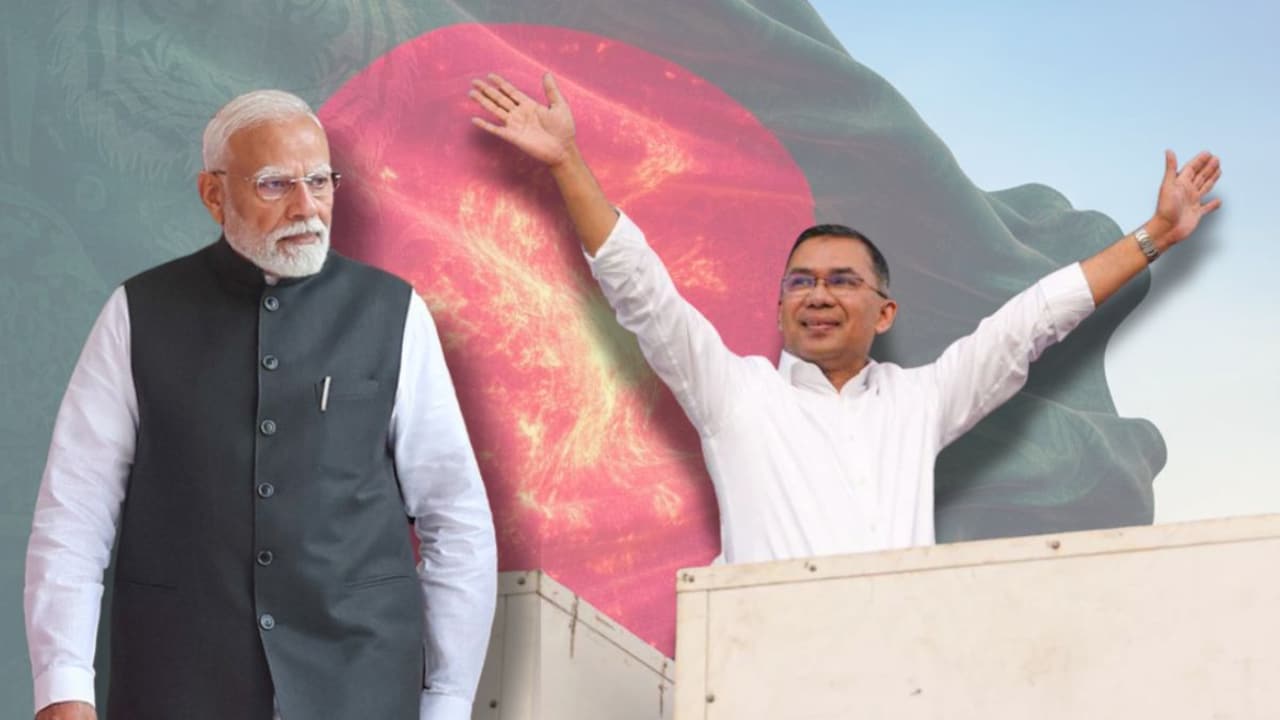
Foreign policy rarely moves in a straight line, and Bangladesh's recent diplomatic moves show just how fast things can change. When Prime Minister Tarique Rahman chose to skip the BRICS outreach session in New Delhi while packing his bags for the United Nations General Assembly in New York, regional analysts sat up straight. Headlines spun various theories about friction and slights. But if you look past the noise, the decision boils down to clear political priorities, optics, and how a new administration wants to introduce itself to the world.
Let's break down what actually happened, why skipping the Delhi summit made sense from Dhaka's perspective, and why the UN floor offered a much better launchpad for Bangladesh's new leadership.
The Protocol Puzzle Behind the Delhi No-Show
The invitation to New Delhi wasn't a standard bilateral state visit. India extended an invite to Rahman in his capacity as the current chair of BIMSTEC for the BRICS outreach event at Bharat Mandapam. For a new prime minister who took office in early 2026, stepping onto foreign soil for a major multilateral summit without a dedicated, standalone bilateral trip first didn't fit diplomatic convention.
Diplomacy is heavily symbolic. Going to a multilateral summit where you share the spotlight with dozens of other leaders doesn't give you the room needed to reset a complex, historic bilateral relationship. Dhaka made it clear that building a stable, working partnership with a vital neighbor requires direct, dedicated talks rather than a quick handshake on the sidelines of a massive international gathering.
At the same time, domestic political realities in Bangladesh can't be ignored. Following the major political transitions of recent years, any early foreign trip faces intense scrutiny at home. Opting out of the Delhi event allowed the administration to avoid awkward optical traps while negotiations continued behind the scenes for a proper bilateral visit down the line.
Why the UN General Assembly Took Precedence
While New Delhi saw an empty seat, New York saw a packed itinerary. Rahman's trip to the 81st session of the United Nations General Assembly served a completely different purpose. It wasn't about regional bloc politics or local economic forums. It was about global legitimacy.
For a new head of government, the UN floor offers a neutral, global megaphone. Rahman used his maiden UNGA address to outline Bangladesh's fresh vision for democracy, human rights, and economic recovery on an international stage. Instead of being one of several regional leaders clustered around a specific summit agenda, he used his time in New York to hold high-level meetings with global counterparts, UN leadership, and international financial partners.
The agenda in New York wasn't just ceremonial. Key discussions focused on keeping the protracted Rohingya refugee crisis on the international radar, securing climate adaptation funding, and locking in partnerships with global institutions like the Gates Foundation. Those deliverables directly address domestic pressures in a way that a regional BRICS outreach session simply couldn't.
Balancing Regional Giants and National Interests
Foreign policy for Dhaka has always required walking a tightrope between major global players. India remains a critical neighbor sharing deep historical and economic ties, while China continues to be an essential partner for infrastructure and trade. Add to that the delicate handling of Western nations and regional organizations, and you realize that every travel decision is scrutinized for hidden messages.
Critics who label these tactical scheduling choices as "immature" miss the broader strategic pivot. A government trying to reset its foreign policy after years of entrenched political alignment isn't going to rush into high-profile visits without securing clear terms. Skipping one event to focus on a broader international forum isn't isolationism; it's calibration.
As Dhaka continues to navigate trade renewals, regional security frameworks, and internal stabilization, expect more of this independent calculus. The focus is shifting away from reactive diplomacy and toward what yields tangible results for the country's economic and political future.