The promise of post-conflict reconstruction always sounds clean on paper. Foreign investment flows in, infrastructure is repaired, and citizens finally experience the dividend of political change. Then reality hits. When interim authorities pushed through a sweeping pricing decree that spiked diesel by 40 percent and petrol by nearly 30 percent overnight, the friction between macroeconomic theory and daily survival exploded into the streets.
From Aleppo and Idlib to Deir Ezzor and Daraa, thousands of Syrians discovered that getting rid of a dictator didn't automatically fill their pantry shelves or lower utility bills. They didn't take to the roads to debate neoliberal economics or international crude markets; they protested because basic survival had just become mathematically impossible for the average household.
The Arithmetic of Everyday Despair
To understand why a fuel hike sparked the largest post-Assad unrest, you have to look past the pump. Diesel isn't just for cars in rural and northern Syria; it powers the generators that pump irrigation water, runs farm machinery, fuels public transport, and drives every single link in the food distribution chain.
When diesel jumps from 125 Syrian pounds to 175 pounds per liter under a temporary pricing bulletin, the shockwave hits immediately. Transport fares surged by up to 25 percent within days. Agricultural input costs followed close behind. Families already scraping by below the poverty line found their purchasing power sliced to ribbons before they even had time to adjust their monthly budgets.
One resident in Deir Ezzor put it bluntly to reporters: "I thought my struggle was largely over when I was freed. But now I don't save enough to keep my children enrolled in school, fed and clothed." That sentiment captures the profound emotional disconnect driving the unrest. The grievances aren't just financial; they're moral. People endured years of war under the assumption that whatever came next had to offer a viable path to dignity.
Why the Government Blames Global Shocks
Officials in Damascus didn't implement these hikes out of malice. They faced a brutal fiscal wall. Syria’s domestic oil production hovers near 100,000 barrels a day, while total daily consumption demands roughly 300,000 to 350,000 barrels. That massive structural deficit forces the state into heavy importation.
At the same time, the country's primary refining center at Baniyas was shut down for its first comprehensive maintenance overhaul in decades. Compounding domestic vulnerabilities, international supply chains fractured under persistent disruptions across the Red Sea, the Bab al-Mandab strait, and the Gulf of Aden, sending global shipping, insurance, and procurement costs soaring.
The interim Energy Ministry also pointed to a staggering one billion dollar debt owed by the energy sector to the finance ministry, alongside dismal electricity revenue collection in regions outside core control. Stripped of subsidies that defined the old Baathist apparatus, the state tried to balance its ledger by passing real-world procurement costs directly to consumers. It was a textbook structural adjustment move. It was also politically radioactive.
The Fragile Anatomy of a Transitional State
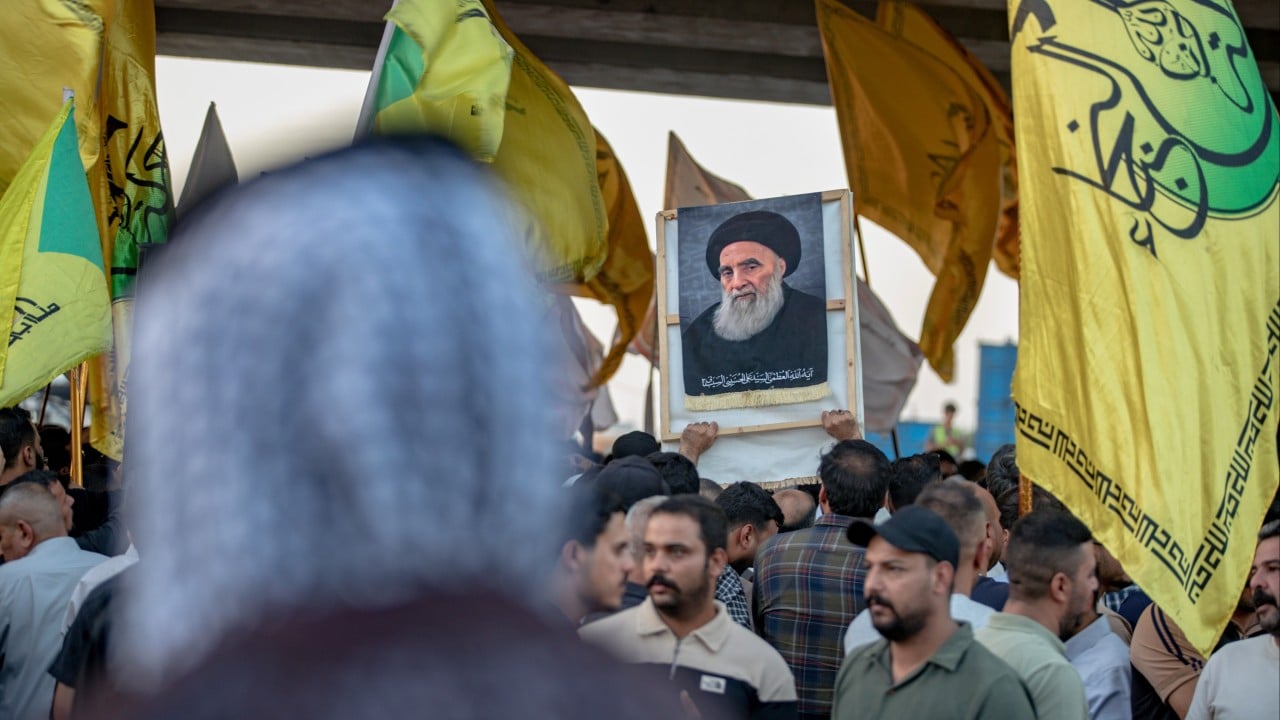
What makes these demonstrations a historic watershed is where they happened. Protests erupted across geographically and politically diverse territories—including areas only recently brought back under central administration. Road closures, sit-ins, and burning tires blocked vital commercial arteries like the M5 motorway linking Damascus to Aleppo, as well as crucial border crossings with Turkey.
Demonstrators explicitly targeted the leadership, demanding the resignation of Energy Minister Mohammad al-Bachir alongside the complete reversal of the subsidy cuts. For the administration led by Ahmed al-Sharaa, this wave of civil discontent represents its most severe legitimacy test yet.
Western nations have begun offering economic breathing room, including the recent U.S. move to lift arms export bans and ease select sanctions. Yet international trade relief takes months to trickle down to a mother trying to afford bread or a farmer deciding whether running diesel pumps for irrigation will cost more than the harvest is worth.
Rebuilding a war-torn nation requires dismantling broken economic models, but doing it on the backs of an exhausted populace invites immediate instability. Until state planners figure out how to shield vulnerable families from international market shocks, the road to recovery will remain blocked by the very people who fought hardest for a new beginning.