The air in Raub is thick, heavy with an aroma that divides families, nations, and palates. It is the scent of onions, turpentine, and sweet, custardy heaven all fighting for dominance inside a spiked husk. For decades, this scent smelled like one thing to the farmers of Pahang: pure, unadulterated wealth.
Uncle Chen, a hypothetical composite of the third-generation growers who carve a living out of Malaysia’s rugged hillsides, stands in the pre-dawn mist. His hands are calloused, permanently stained with the sap of the Durio zibethinus. For years, Chen’s routine was predictable. He would wake at four in the morning, gather the heavy, spiked fruits that had fallen overnight, and sell them to brokers who treated the legendary Musang King variety like gold bullion.
Not anymore.
Today, the golden goose is laying too many eggs. A massive oversupply—a literal "durian tsunami"—has swept across Malaysia. The fruit that once commanded premium prices, reserved only for elite tables and wealthy tourists, is suddenly flooding local markets. It is selling for less than the price of a cheap cup of coffee. To understand how a luxury icon became dirt cheap overnight, we have to look past the discount signs at the roadside stalls and stare directly into the volatile intersection of agricultural gold rushes, changing global markets, and the unpredictable whims of nature.
The Day the Vault Cracked
To appreciate the gravity of the current collapse, consider what the Musang King used to represent. It was the undisputed monarch of fruits. Known for its deep turmeric-yellow flesh, buttery texture, and a complex flavor profile that balances intense sweetness with a sophisticated bitter finish, it wasn't just food. It was a status symbol. At its peak, wealthy buyers from Beijing to Singapore would happily shell out top dollar for a single, pristine specimen.
Farmers noticed. Investors noticed. Wealthy conglomerates completely outside the agricultural sector noticed.
A decade ago, a collective decision was made across the Malaysian peninsula: plant more. Hundreds of thousands of acres of jungle and traditional rubber estates were cleared to make way for neat rows of cloned durian trees. It takes about five to seven years for a durian tree to bear its first commercial crop.
Math is a patient beast.
Those thousands of hectares planted during the mid-to-late 2010s have all hit maturity at the exact same moment. Combined with an exceptionally long, hot dry spell followed by sudden monsoon rains—perfect conditions for maximum tree yield—the trees did exactly what they were engineered to do. They exploded with fruit.
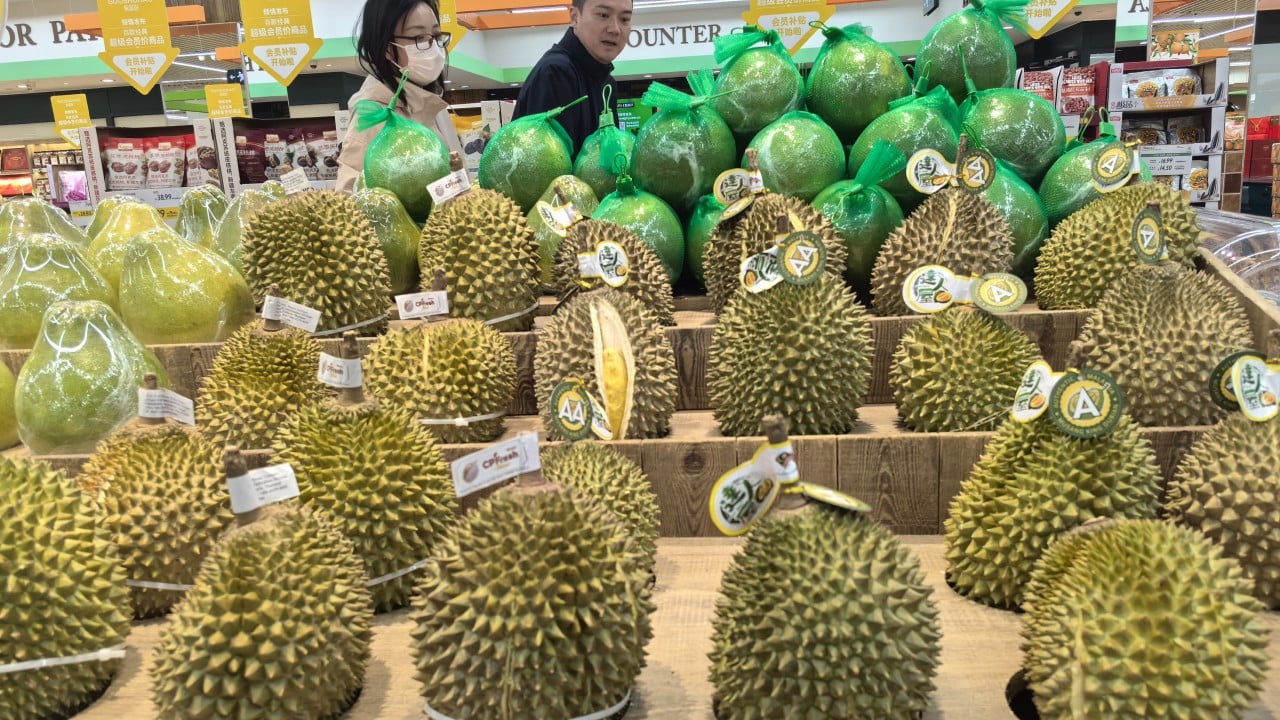
Walk through the night markets of Kuala Lumpur right now. The change is visceral. Stalls that used to hoard a few precious crates of Musang King are now backed by literal mountains of the fruit. The pricing pressure is immense. Wholesale prices have plummeted by more than fifty percent in some regions, dropping from premium heights down to rock-bottom rates that barely cover the cost of diesel to transport them from the farms.
The Mirage of Global Demand
The strategy was always built on a single, massive assumption: China’s appetite for the king of fruits would remain insatiable forever.
For a long time, that assumption held true. Malaysia held a tight grip on the premium frozen durian market, while neighboring Thailand dominated the fresh fruit trade. But international trade is never a static picture. The geopolitical and economic landscape shifted while the Malaysian trees were busy growing.
Recently, regional competitors entered the arena with furious intensity. Vietnam secured official protocols to export fresh durians directly to China, leveraging shorter shipping routes and lower production costs. Suddenly, the exclusive crown worn by Malaysian exporters began to slip. Simultaneously, domestic production initiatives within China itself—ambitious experimental farms in Hainan province—began yielding their first home-grown crops.
While the quality of those domestic Chinese harvests cannot yet rival the rich, mountain-grown terroir of Pahang, the psychological impact on the market was immediate. The premium aura weakened. When a luxury item suddenly feels abundant, the urgency to buy vanishes.
Consider the economic reality facing someone like Chen. He relies on intermediaries who pack the fruit into cryogenic freezers for export. When those exporters find their international warehouses full and their profit margins squeezed by cheaper regional alternatives, they turn back to the local market. They stop buying from the farms, or they offer prices that make a farmer weep.
The surplus stays home. The tsunami hits the local shore.
A Bitter Harvest for the Soil
There is a deeper, quieter crisis unfolding beneath the canopy of these hyper-dense plantations. The rush to cash in on the Musang King craze changed the very fabric of the Malaysian countryside.
Monoculture—the practice of growing a single crop over a massive area—is an ecological gamble. When the hillsides were filled with a diverse mix of rubber trees, fruit orchards, and natural jungle, the ecosystem possessed an inherent resilience. A pest or a blight that targeted one species would be stopped by the sheer diversity of the surrounding flora.
When you plant nothing but Musang King for miles, you create a paradise for pathogens.
Farmers are finding that managing these mature mega-plantations requires an escalating arsenal of fertilizers, pesticides, and intensive irrigation. As prices drop, the money to pay for these expensive inputs dries up. A vicious cycle begins. To cut costs, some growers reduce their crop management, leaving their trees vulnerable to root rot and fungal infections that can wipe out entire hillsides in a single season.
The cheap durian on your plate today is a loan taken out against the future health of the soil.
The Temporary Paradise of the Consumer
If you are a casual lover of the fruit, this crisis looks like a golden age.
For the ordinary citizen, the democratization of the Musang King feels like a rare win against inflation. Families who used to split a single small fruit as a luxury treat on special occasions are now buying them by the basketful. Roadside vendors are offering all-you-can-eat buffets, desperate to clear their inventory before the delicate flesh ferments and turns to sour mush.
But this consumer paradise is built on a foundation of sand.
When agriculture becomes unprofitable for smallholders, they stop farming. They sell their land to developers or abandon the trees altogether. The current glut will inevitably lead to a market correction. In a few years, as small farms collapse and conglomerates consolidate their grip on the remaining orchards, production will contract. The pendulum will swing violently in the opposite direction. The cheap abundance enjoyed today will become a memory, replaced by even higher prices tomorrow as supply artificially shrinks.
The Sound of the Falling Fruit
Back in Raub, the afternoon sun bakes the earth, accelerating the ripening process. A heavy thud echoes through Chen’s orchard. Another fruit has dropped.
In the old days, that sound was the chime of a cash register. Now, it is a ticking clock. A dropped durian must reach a consumer within twenty-four to forty-eight hours before its flavor degrades from sublime to unsellable.
Chen picks up the fruit, turning it over in his hands. The seams are perfect. The star shape on the bottom—the signature mark of the Musang King—is distinct. He presses his thumb against the stem; it is fresh, sticky, and full of life. It is an absolute masterpiece of nature, the result of years of sweat, anxiety, and hope.
He places it gently into a plastic crate alongside dozens of others, knowing that when he drives down to the main road, he will have to practically beg someone to take it for a fraction of what it is worth.
The great durian boom created fortunes, altered landscapes, and redefined a nation's culinary identity. But as the mountains of golden fruit pile up under the cheap tarps of roadside stalls, the lesson becomes clear. Nature and the market are fickle masters, and sometimes, the heaviest burden a farmer can bear is an overwhelming abundance of precisely what they prayed for.